Post-Surgery Back Pain: Best Products for Recovery and Relief

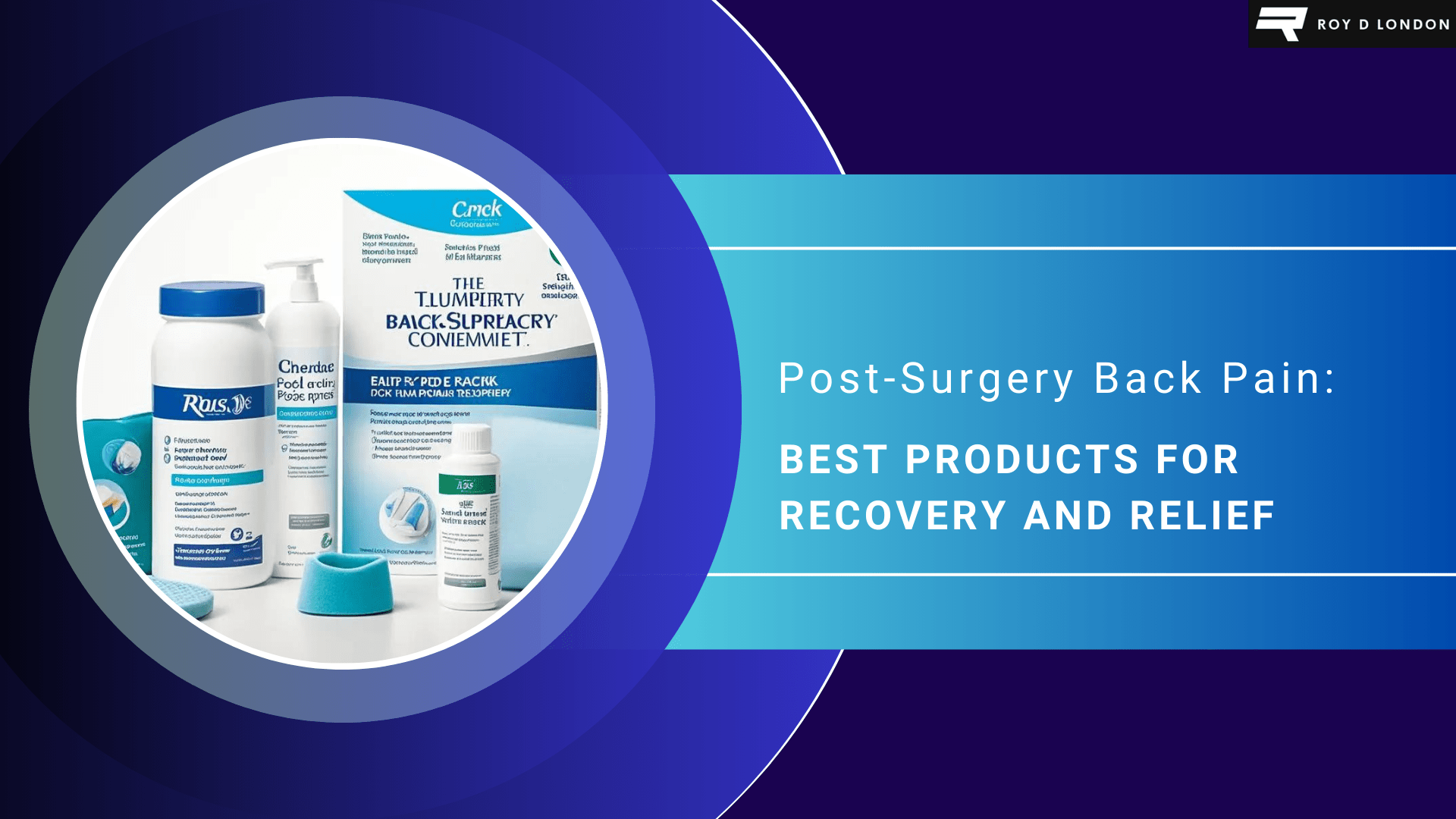
Recovering from surgery is a journey that requires strength, resilience, and patience. Each step forward is a triumph, but along the way, we may encounter obstacles that test our resolve. One of these challenges is post-surgery back pain, a discomfort that can hinder our recovery and affect our daily lives. As someone who has personally experienced this type of pain, I understand the frustration and the longing for relief.
Fortunately, there is hope. Through extensive research and consultation with medical experts, we have curated a list of the best products to aid in post-surgery back pain recovery. These products have been proven effective, offering both comfort and relief during this crucial healing period. From hot and cold therapy to natural supplements, we have carefully selected options that cater to different preferences and needs.
Join us as we delve into the world of post-surgery back pain management, exploring the top products that can alleviate your discomfort, accelerate your recovery, and restore your sense of well-being. Together, let’s conquer post-surgery back pain and emerge stronger on the other side.
Key Takeaways of Post-Surgery Back Pain:
- Recovering from surgery can be challenging, especially when dealing with post-surgery back pain.
- There are several products available that can help promote recovery and provide relief from back pain.
- Hot and cold therapy, TENS devices, pain management tools, natural supplements, and topical pain relief creams are among the best products for post-surgery back pain.
- Physical activity is important for recovery and can be tailored to individual needs and restrictions.
- Considerations such as allergens, usage directions, and quality ingredients should be taken into account when choosing the right products for post-surgery back pain.
Understanding Post-Surgery Back Pain
Post-surgery back pain is a common issue that many individuals experience after undergoing a surgical procedure. This type of pain can be caused by a variety of factors, including inflammation, muscle soreness, and nerve irritation. It is important to effectively manage and alleviate post-surgery back pain in order to promote a successful recovery.
Managing post-surgical pain relief is crucial for a smooth healing process. Proper back pain management can help reduce discomfort, improve mobility, and enhance overall well-being. By understanding the causes and symptoms of post-surgery back pain, individuals can take proactive steps towards finding relief and expediting recovery.
“Effective management of post-surgery back pain is essential for promoting a successful recovery.”
One of the key contributors to post-surgery back pain is inflammation. When the body undergoes surgery, it triggers an inflammatory response as a natural part of the healing process. While inflammation is necessary for healing, excessive or prolonged inflammation can lead to pain and discomfort in the back area.
In addition to inflammation, muscle soreness is another common cause of post-surgery back pain. Due to the surgical procedure, muscles in the back area may be stretched, cut, or manipulated, leading to soreness and stiffness. This can make simple movements and activities challenging, impacting the overall recovery process.
Nerve irritation is also a significant factor in post-surgery back pain. During surgery, nerves in the back area can be affected or compromised, causing pain and discomfort. Nerve irritation may result in radiating pain, tingling sensations, or numbness in the back and surrounding areas.
Effective Back Pain Management Strategies
To effectively manage post-surgery back pain and promote a successful recovery, it is important to employ a multifaceted approach. The following strategies can help individuals find relief from pain and accelerate the healing process:
- Medication: Pain-relieving medications prescribed by healthcare professionals can help alleviate post-surgery back pain. Nonsteroidal anti-inflammatory drugs (NSAIDs) and opioids may be prescribed depending on the severity of the pain.
- Physical Therapy: Engaging in physical therapy exercises and activities designed specifically for post-surgery recovery can help strengthen the back muscles, improve flexibility, and reduce pain.
- Heat and Cold Therapy: Applying heat packs or cold packs to the affected area can help reduce inflammation, soothe muscle soreness, and alleviate post-surgery back pain.
- Proper Posture: Maintaining correct posture while sitting, standing, and performing daily activities can help reduce stress on the back, minimize pain, and support the healing process.
- Low-Impact Exercise: Engaging in low-impact exercises such as walking, swimming, or stationary cycling can help improve blood circulation, strengthen the back, and aid in the recovery process.
- Stress Management Techniques: Stress can exacerbate pain and prolong the recovery process. Incorporating stress management techniques such as deep breathing exercises, meditation, or mindfulness can help reduce stress levels and promote overall well-being.
By combining these strategies and working closely with healthcare professionals, individuals can effectively manage and alleviate post-surgery back pain, enabling a smoother recovery process and improved quality of life.

In our next section, we will explore the benefits of hot and cold therapy for pain relief and post-surgery back pain management.
Hot and Cold Therapy for Pain Relief
When it comes to alleviating post-surgery back pain, one of the most effective methods is hot and cold therapy. This form of treatment involves the use of ice packs and heat packs to provide targeted relief and promote healing. Ice packs are typically used immediately after surgery to reduce pain and swelling, while heat packs are beneficial for chronic pain and muscle soreness.
By utilizing hot and cold therapy, individuals can experience significant pain relief and improved comfort during their recovery process. Ice packs work by numbing the affected area and reducing inflammation, while heat packs help to increase blood flow and relax muscles, providing soothing relief.
To effectively incorporate hot and cold therapy into your recovery routine, it is recommended to use a reusable hot and cold pack that can provide both ice and heat therapy. These packs are versatile and convenient, allowing you to easily switch between hot and cold treatments as needed.

The Benefits of Hot and Cold Therapy:
- Reduces pain and inflammation
- Promotes faster healing
- Relaxes muscles and improves flexibility
- Increases blood flow to the affected area
- Provides soothing relief and comfort
“Hot and cold therapy is a safe and effective method for managing post-surgery back pain. By utilizing ice packs and heat packs, individuals can experience significant pain relief and promote a faster recovery.”
Whether you are dealing with swelling, acute pain, or muscle soreness, hot and cold therapy can be a valuable tool in your recovery journey. However, it is important to follow proper guidelines when utilizing this treatment method. Remember to always wrap ice or heat packs in a cloth or towel to protect your skin from direct contact, and never apply extreme temperatures for an extended period of time to avoid skin damage.
Transcutaneous Electrical Nerve Stimulation (TENS) Devices
If you’re seeking non-pharmaceutical pain relief for post-surgery back pain, consider trying Transcutaneous Electrical Nerve Stimulation (TENS) therapy. TENS devices use electrical stimulation to reduce pain by sending alternate messages to the spinal cord and brain. This form of therapy has been shown to effectively alleviate muscle pain and incisional pain, making it a valuable option for managing post-surgery discomfort.
It is crucial to use TENS devices with caution and follow the instructions provided by medical professionals. Proper usage ensures optimal effectiveness and minimizes the risk of potential side effects. TENS therapy offers a safe and convenient way to relieve post-surgery back pain without relying on pharmaceutical medications.

| Name | Features | Price |
|---|---|---|
| Device A | Multiple intensity levels, customizable settings | $50 |
| Device B | Wireless, portable design, pre-set programs | $100 |
| Device C | Large display, rechargeable battery | $80 |
Choose the TENS device that best suits your needs and budget. Make sure to consult your healthcare professional for personalized advice and guidance on using TENS therapy as part of your post-surgery recovery plan.
Pain Management Tools and Accessories
When it comes to managing post-surgery back pain, having the right tools and accessories can make a world of difference. These products are designed to alleviate discomfort and promote a faster recovery. Here are some essential items that can help you manage your post-surgery back pain effectively:
Pill Case
Keeping track of medications is crucial during the recovery process, and a portable pill case can help you stay organized. Use compartments to separate different pills and ensure you take them at the right time.
Comfortable Clothing
Wearing loose pants and sweats can provide much-needed comfort during your recovery. Opt for clothing made from soft, breathable fabrics to prevent irritation and minimize friction against your skin.
Nursing Pillow
A nursing pillow can offer excellent support for your back while sitting or lying down. It helps you maintain proper posture and reduces strain on your back muscles.
Foam Backrest
A foam backrest is a versatile tool that allows you to sit up in bed comfortably. It provides back support and helps alleviate pressure on your spine.
Gripper Socks
Slipping or sliding can be hazardous during the recovery period. Gripper socks with non-slip soles can give you stability and prevent accidental falls.
Adhesive Remover Wipes
After surgery, adhesive residue from bandages or medical tape can stick to your skin. Adhesive remover wipes help you gently remove the residue without causing any irritation.
Body Wipes
When showering is not possible or restricted, body wipes can help you stay clean and fresh. They are a convenient alternative to traditional bathing and can be useful during the recovery process.
Dry Shampoo
Sometimes, washing your hair can be challenging after surgery. Dry shampoo allows you to keep your hair clean and refreshed without water, making it a handy grooming tool for post-surgery recovery.
Lip Balm and Hand Cream
Recovering from surgery can lead to dry skin, including chapped lips and dry hands. Keep moisturizing lip balm and hand cream within reach to hydrate and nourish your skin.
These pain management tools and accessories can significantly improve your comfort and overall well-being during the recovery process. Whether it’s using a nursing pillow for support or keeping track of your medications with a portable pill case, these products are designed to enhance your post-surgery experience.

| Tool or Accessory | Description |
|---|---|
| Pill Case | A portable case with compartments to organize and carry medications. |
| Comfortable Clothing | Loose pants and sweats made from soft, breathable fabrics for maximum comfort. |
| Nursing Pillow | A pillow designed to provide back support while sitting or lying down. |
| Foam Backrest | A supportive foam cushion for sitting up in bed with reduced strain on the back. |
| Gripper Socks | Socks with non-slip soles to prevent slipping and sliding. |
| Adhesive Remover Wipes | Wipes that gently remove adhesive residue from bandages or medical tape. |
| Body Wipes | Convenient wipes for maintaining cleanliness when showering is restricted. |
| Dry Shampoo | Hair care product that cleanses the hair without water. |
| Lip Balm and Hand Cream | Moisturizing products to prevent dryness and nourish the lips and hands. |
Natural Supplements for Inflammation and Pain Relief
When it comes to managing post-surgery back pain, natural supplements can offer a safe and effective alternative to traditional pain medications. These supplements have been shown to reduce inflammation and provide relief from discomfort. However, it’s important to consult with a healthcare professional before incorporating any supplements into your post-surgery recovery regimen.
Turmeric
Known for its anti-inflammatory properties, turmeric has been used for centuries in traditional medicine. Its active compound, curcumin, can help reduce pain and inflammation in the body. Incorporating turmeric into your diet or taking it as a supplement may provide relief from post-surgical back pain.
Cherry Juice Extract
Cherry juice extract is rich in antioxidants and has been found to possess anti-inflammatory properties. Consuming cherry juice or taking it in supplement form may help reduce pain and inflammation associated with post-surgery recovery.
Omega-3 Fatty Acids
Omega-3 fatty acids are essential fats that have been shown to reduce inflammation and promote joint health. Adding omega-3-rich foods like fatty fish (salmon, mackerel), flaxseeds, and chia seeds to your diet can help alleviate post-surgery back pain.
Collagen
Collagen is a protein that plays a vital role in the health of our bones, joints, and connective tissues. Taking collagen supplements may help strengthen the back and support the healing process after surgery.
Chondroitin and Glucosamine
Chondroitin and glucosamine are naturally occurring substances found in our cartilage. Taking these supplements has been shown to promote joint health, reduce inflammation, and alleviate pain associated with post-surgical recovery.
Boswellia
Boswellia, also known as Indian frankincense, contains anti-inflammatory compounds that may help ease post-surgery back pain. This herbal supplement has been used in traditional medicine for centuries and is available in various forms, including capsules and topical creams.
CBD Oil
CBD oil, derived from the cannabis plant, has gained popularity for its potential pain-relieving properties. It interacts with the body’s endocannabinoid system, which helps regulate pain, inflammation, and mood. Incorporating CBD oil into your post-surgery recovery routine may provide relief from back pain.
Remember, while natural supplements can be beneficial, it’s essential to consult with a healthcare professional before starting any new regimen, especially if you are taking other medications or have underlying medical conditions. They can guide you in finding the right supplements and ensure they are safe and appropriate for your recovery process.
Topical Pain Relief Creams and Gels
When it comes to finding targeted relief for post-surgery back pain, topical pain relief creams and gels can be highly effective. These products are specifically designed to provide soothing relief to the affected area, allowing individuals to experience localized pain reduction without the need for oral medications.
Some of the best muscle rubs available on the market include:
- Penetrex Pain Relief Cream: This cream has gained popularity for its fast-acting formula, which combines natural ingredients like arnica, turmeric, and vitamin B6 to provide long-lasting relief.
- Biofreeze Pain Relief Gel Roll-On: Known for its cooling effect, Biofreeze gel roll-on is perfect for easing post-surgery back pain. Its unique formula contains menthol, which provides a numbing sensation to alleviate discomfort.
- Sombra Warm Therapy Pain Relieving Gel: This gel is widely recognized for its soothing warmth. It contains natural ingredients like camphor and menthol, which penetrate deep into the muscles to relieve pain and promote relaxation.
- Noxicare Natural Pain Relief Cream: Made from a blend of natural ingredients like turmeric, willow bark, and ginger, this cream offers a holistic approach to pain relief by targeting inflammation and soothing the affected area.
- Dr. Sayman’s Wonder Rub: With its unique blend of menthol, camphor, and eucalyptus oil, this pain relief rub provides a refreshing sensation while reducing inflammation and soothing post-surgery pain.
These muscle rubs can be easily applied to the back and are convenient to use whenever pain flares up. Whether you prefer a cooling or warming sensation, there is a topical pain relief cream or gel that can provide the relief you need.
Remember, it is always important to carefully read and follow the usage instructions provided by the manufacturers. Additionally, consult with your healthcare professional before using any new products, especially if you have any specific medical conditions or allergies.
Importance of Physical Activity for Recovery
Physical activity plays a vital role in the recovery process after surgery, particularly when it comes to managing post-surgery back pain. Engaging in regular exercise not only improves blood flow and mobility but also helps reduce muscle stiffness and promotes overall healing. It is often said that “motion is lotion,” emphasizing the significance of physical activity for pain relief and recovery.
When it comes to physical activity options for individuals with post-surgery limitations or limited mobility, chair yoga, Tai Chi, and Qigong are excellent choices. These practices offer gentle movements and can be modified to suit specific needs and restrictions, making them suitable for individuals recovering from surgery.
Chair yoga is a modified form of yoga that focuses on gentle stretches and movements performed seated or supported by a chair. It helps improve flexibility, strength, and balance while being mindful of any physical limitations.
Tai Chi and Qigong, on the other hand, are ancient Chinese forms of exercise that promote relaxation, balance, and alignment. These practices involve slow, flowing movements and deep breathing, benefiting both physical and mental well-being.
Before starting any exercise program, it is crucial to consult with a healthcare professional, especially if you have recently undergone surgery. They can provide guidance on which activities are suitable for your specific condition and any limitations you may have. Remember, starting slowly and gradually increasing the intensity and duration of your physical activity is key to a safe and successful recovery.
Considerations for Choosing the Right Products
When it comes to selecting products for post-surgery back pain, it’s essential to keep several factors in mind. By considering these aspects, you can choose the most suitable options to alleviate discomfort and promote your recovery. Let’s take a closer look at the key considerations:
1. Allergens:
Check the ingredients of the products you are considering to ensure they do not contain any allergens that may cause adverse reactions. Allergens to watch out for can include common substances such as latex, fragrances, and certain preservatives.
2. Usage Directions:
Follow the usage directions provided by the product manufacturer carefully. Adhering to the recommended application methods and dosage guidelines will ensure you achieve optimal results and minimize the risk of any unintended side effects.
3. Patch Test:
Prior to using a new product, it is advisable to perform a patch test on a small area of your skin. This test helps determine whether you may have any sensitivities or allergic reactions to the product. Apply a small amount of the product on the inner forearm or behind the ear and monitor the area for any adverse reactions for at least 24 hours.
4. Quality Ingredients:
Opt for products that are formulated with high-quality ingredients. Look for key ingredients that are known for their anti-inflammatory and pain-relieving properties, such as arnica, menthol, capsaicin, or essential oils like lavender and eucalyptus. Choosing products with quality ingredients can enhance their efficacy and ensure your comfort.
5. Safety and Efficacy:
Prioritize products that have been evaluated for safety and efficacy. Look for any certifications or endorsements from reputable organizations, such as the FDA, to validate the product’s claims. Reading reviews from other users who have experienced post-surgery back pain relief can also provide you with valuable insights.
By considering these essential factors, you can select products that are safe, effective, and well-suited to your specific needs. This will ultimately contribute to a smoother recovery process from post-surgery back pain.
Conclusion
Managing post-surgery back pain is crucial for a successful recovery. By utilizing the best products and techniques, individuals can find relief from pain and discomfort, allowing them to focus on healing and regaining their strength. Whether it’s through hot and cold therapy, natural supplements, topical pain relief products, or exercise, finding the right combination of strategies can make a significant difference in post-surgery recovery.
Hot and cold therapy, such as using ice packs and heat packs, can effectively reduce pain and swelling. Transcutaneous Electrical Nerve Stimulation (TENS) devices provide non-pharmaceutical pain relief through electrical stimulation. Pain management tools and accessories like nursing pillows and comfortable clothing can enhance comfort and support during recovery. Natural supplements such as turmeric, cherry juice extract, and CBD oil can help reduce inflammation and alleviate pain.
Topical pain relief creams and gels, such as Penetrex Pain Relief Cream and Biofreeze Pain Relief Gel Roll-On, offer targeted relief for post-surgery back pain. Additionally, incorporating physical activity into the recovery process is essential for improving blood flow, mobility, and overall healing. Chair yoga, Tai Chi, and Qigong are suitable options for individuals with limited mobility or specific post-surgical restrictions.
When choosing products for post-surgery back pain, it is important to check for potential allergens, follow usage directions, and perform a patch test. High-quality ingredients, safety, and efficacy should also be considered. By implementing these strategies and utilizing the best recovery products, individuals can alleviate back pain, enhance their recovery process, and regain their quality of life.
FAQ
What causes post-surgery back pain?
Post-surgery back pain can be caused by factors such as inflammation, muscle soreness, and nerve irritation.
How can I alleviate post-surgery back pain?
There are several ways to alleviate post-surgery back pain, including hot and cold therapy, TENS devices, pain management tools, natural supplements, topical pain relief creams and gels, and regular physical activity.
What is hot and cold therapy?
Hot and cold therapy involves using ice packs for reducing pain and swelling immediately after surgery, and heat packs for chronic pain and muscle soreness.
What are TENS devices?
TENS devices use electrical stimulation to reduce post-surgery back pain by sending alternate messages to the spinal cord and brain.
What tools and accessories can help manage post-surgery back pain?
Tools and accessories such as a portable pill case, comfortable clothing, nursing pillow, backrest, gripper socks, adhesive remover wipes, body wipes, dry shampoo, lip balm, and hand cream can provide support and comfort during recovery.
Are there any natural supplements that can help with post-surgery back pain?
Yes, natural supplements such as turmeric, cherry juice extract, omega-3 fatty acids, collagen, chondroitin and glucosamine, Boswellia, and CBD oil have shown to reduce inflammation and provide pain relief.
What are some recommended topical pain relief products for post-surgery back pain?
Some recommended topical pain relief products include Penetrex Pain Relief Cream, Biofreeze Pain Relief Gel Roll-On, Sombra Warm Therapy Pain Relieving Gel, Noxicare Natural Pain Relief Cream, and Dr. Sayman’s Wonder Rub.
Why is physical activity important for post-surgery recovery?
Physical activity improves blood flow and mobility, reduces muscle stiffness, and promotes overall healing. Chair yoga, Tai Chi, and Qigong are excellent options for individuals with limited mobility or post-surgical restrictions.
What factors should I consider when choosing products for post-surgery back pain?
It’s important to check the ingredients for potential allergens, follow product usage directions, perform a patch test, choose products with high-quality ingredients, and consider safety and efficacy.
How can I manage and alleviate post-surgery back pain?
By utilizing the best products and techniques, including hot and cold therapy, TENS devices, pain management tools, natural supplements, topical pain relief products, and regular physical activity, you can effectively manage and alleviate post-surgery back pain.
Dive into these intriguing articles that I’ve handpicked for you:
75 Best Life-Changing Weight Loss Tips You Can Easily Start Today
Best Cellcore Parasite Cleanse Alternative For A Pure Body Detox
Indulge in the depth and diversity of these articles I’ve gathered for you. How to Differentiate Acute Pain from Chronic Pain: A Comprehensive Guide. Understanding How Chronic Pain Impacts Your Quality of Life and How to Cope
75 Best Life-Changing Weight Loss Tips You Can Easily Start Today, Best Cellcore Parasite Cleanse Alternative For A Pure Body Detox, The 5 Best Kangen Water System Alkaline Water Ionizers, 11 Best Exercise Bikes With Arm Workout.
How to Minimize Chronic Pain at Night: Tips for a Restful Sleep.
Source Links
- https://nymag.com/strategist/article/best-gifts-for-surgery-recovery.html
- https://utswmed.org/medblog/supplements-for-back-joint-muscle-pain/
- https://www.businessinsider.com/guides/health/best-muscle-rub
AFFILIATE / THIRD-PARTY LINKS
This post may contain affiliate links from programs and businesses whose products and services are of the best quality and standards, in my opinion, if you purchase through these links, I may receive a small commission at no cost to you.