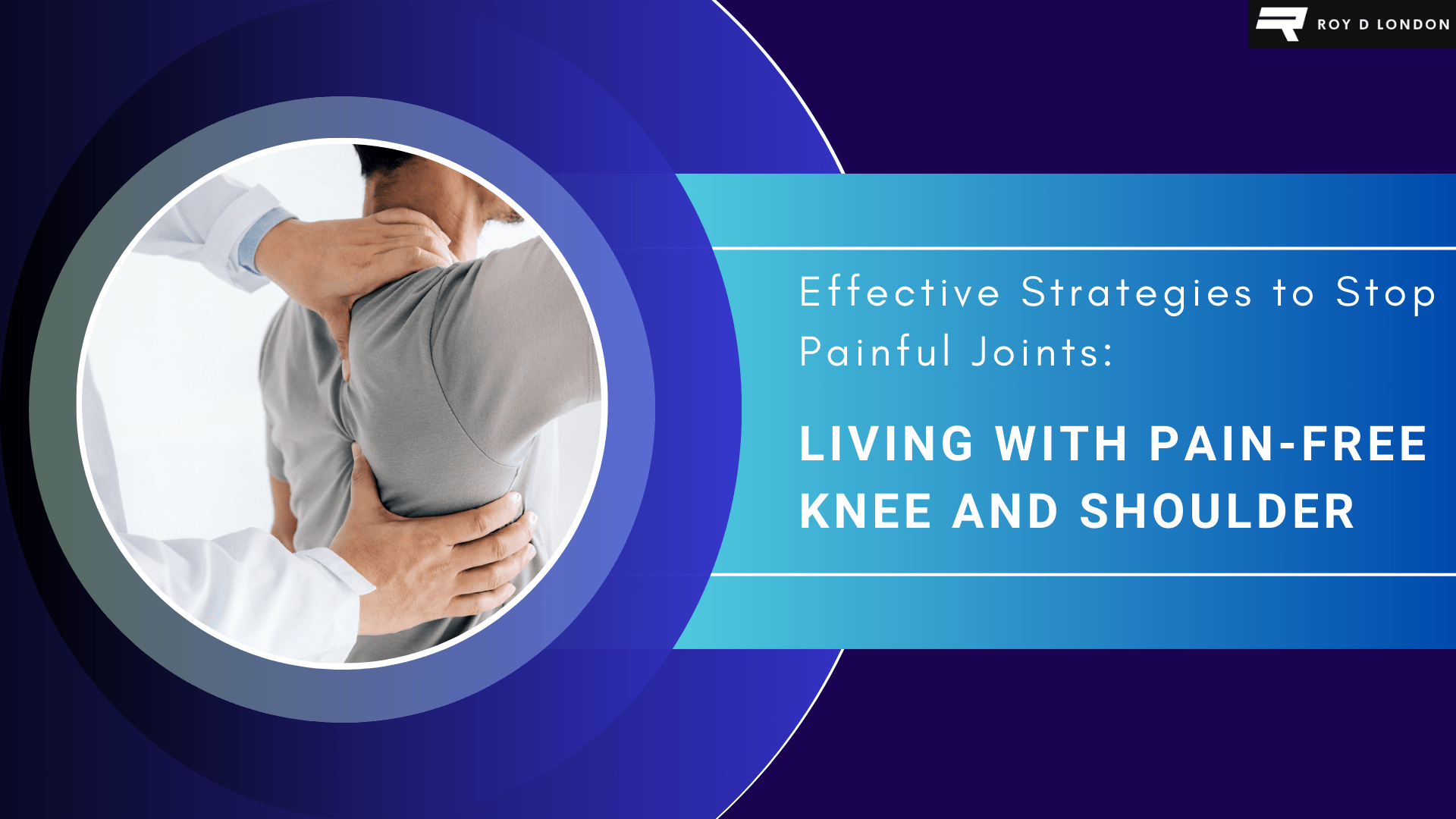
Full Acute vs Chronic Pain Management: Products and Services to Consider


How can we figure out Acute vs Chronic Pain Management?
Living with pain can be a challenging and isolating experience. It affects every aspect of your life, from your physical well-being to your emotional state. Whether you’re dealing with acute pain from an injury or chronic pain that has persisted for months or even years, finding effective pain management solutions is essential to regain control and improve your quality of life.
We understand the impact that pain can have on your daily activities and overall well-being. That’s why we’re committed to providing you with the knowledge, resources, and support you need to navigate the complexities of pain management and find relief.
Throughout this article, we’ll explore the differences between acute and chronic pain, discuss various pain management techniques, and shed light on the importance of personalized care. By the end, we hope you’ll feel empowered to take an active role in your pain management journey and discover the strategies that work best for you.
Key Takeaways for Acute vs Chronic Pain Management:
- Understand the differences between acute and chronic pain for effective management.
- Explore a range of pain management techniques and solutions tailored to your needs.
- The importance of personalized care and involving yourself in decision-making.
- Discover alternative therapies and complementary approaches to enhance pain relief.
- Educate yourself about pain management resources and self-care strategies.
What is Acute Pain?
Acute pain is a sudden and intense type of pain that typically arises from common illnesses, minor injuries, trauma, or major surgeries. It is a temporary sensation that subsides as the body heals. Acute pain can be caused by conditions such as cuts, sprains, or underlying health issues. For example, a person may experience acute pain from a sprained ankle or a deep cut.
Managing acute pain involves various approaches, including over-the-counter medicines and alternative treatments. Over-the-counter medications like ibuprofen or acetaminophen can help alleviate pain and reduce inflammation. These medications are easily accessible and can provide temporary relief for acute pain caused by common injuries or illnesses.
Physician therapy is another effective way to manage acute pain. Medical professionals can prescribe specific treatments or therapies tailored to each individual’s needs. These therapies may include physical therapy exercises, targeted interventions, or guidance on managing pain during the healing process.
Additionally, alternative treatments can complement conventional pain management approaches. These may include techniques such as acupuncture, chiropractic care, or massage therapy. Alternative treatments aim to address the root cause of acute pain and promote healing in a holistic manner.
It’s important to note that while acute pain is usually manageable and subsides with time, it’s necessary to seek medical attention if the pain persists, worsens, or is accompanied by other symptoms. Consulting with a healthcare professional can provide a more comprehensive assessment and appropriate treatment for acute pain.

Understanding Chronic Pain
Chronic pain is a persistent condition that lasts for more than three months and requires intervention from healthcare providers to effectively manage. The cause of chronic pain can vary widely, ranging from underlying medical conditions to previous injuries or surgeries. Determining the root cause is crucial in order to develop a suitable treatment plan.
In addressing chronic pain, primary care providers and specialists often collaborate in an interdisciplinary approach. This collaborative effort ensures that both the physical and psychological effects of chronic pain are taken into consideration. By considering the multidimensional aspects of pain, healthcare providers can provide comprehensive care and improve patient outcomes.
Patients themselves also play an active role in their pain management journey. Patient involvement is crucial in setting goals, contributing to treatment planning, and monitoring progress. This patient-centered approach empowers individuals to take control of their pain management and actively participate in their own healing process.
Treatment for chronic pain typically involves a combination of approaches. This may include medications to alleviate pain and manage symptoms, physical therapy to improve mobility and strength, and anti-inflammatory drugs to reduce inflammation. In addition, non-pharmacological treatments such as meditation and relaxation techniques can also be beneficial in managing chronic pain.
Regular follow-up appointments are essential in managing chronic pain effectively. These appointments allow healthcare providers to monitor treatment outcomes, assess progress, and make necessary adjustments to the treatment plan. By closely monitoring the patient’s response to treatment, healthcare providers can ensure that the pain management plan is tailored to their specific needs and optimize their overall well-being.
Physical and Psychological Effects of Chronic Pain
Chronic pain can have profound physical and psychological effects on individuals. Physically, chronic pain can lead to reduced mobility, muscle weakness, and decreased quality of life. It can also disrupt sleep patterns, leading to fatigue and decreased energy levels.
Psychologically, chronic pain can cause emotional distress, anxiety, and depression. The constant presence of pain can significantly impact an individual’s mental well-being and overall sense of happiness and fulfillment.
Persistent pain affects all areas of life – work, relationships, and daily activities. It is crucial to address both the physical and psychological aspects of chronic pain to provide comprehensive care and improve the overall well-being of individuals.
To address the physical and psychological effects of chronic pain, an interdisciplinary approach is essential. Collaboration between healthcare providers from various disciplines helps ensure that individuals receive holistic care, addressing all aspects of their pain experience. By adopting an interdisciplinary approach, healthcare providers can coordinate treatment modalities and offer a more comprehensive pain management plan.

In summary, chronic pain requires a comprehensive approach that involves collaboration between primary care providers, specialists, and patients themselves. By understanding the physical and psychological effects of chronic pain and adopting an interdisciplinary approach to treatment, individuals can find relief and improve their overall quality of life.
Barriers to High-Quality Pain Management
When it comes to providing high-quality pain management, several barriers can impede effective treatment. Inadequate pain relief is a significant obstacle that can have negative consequences for patients. One of the potential outcomes of inadequate pain relief is the occurrence of opioid-related adverse events, which can further complicate the patient’s condition.
Inadequate pain relief can lead to opioid-related adverse events and has been associated with increased morbidity and mortality rates (Source: Second source).
Another barrier to high-quality pain management is the presence of unused prescription opioids. Studies have shown that patients often leave surgeries with unused opioids, leading to potential misuse or diversion of these medications. Furthermore, the misuse of opioids can contribute to the transition from acute to chronic pain, creating complex challenges for both patients and healthcare providers.
Addressing these barriers requires a comprehensive approach that considers not only the physical aspects of pain but also the potential consequences of inadequate pain relief and the proper management of prescription opioids. By implementing strategies to overcome these barriers, such as optimizing inpatient pain management protocols and ensuring appropriate prescription practices, healthcare professionals can provide more effective pain relief and minimize the risk of opioid-related adverse events.
To visually illustrate the barriers to high-quality pain management, let’s take a look at the following table:
| Barriers | Consequences |
|---|---|
| Inadequate pain relief | Increased risk of opioid-related adverse events |
| Unused prescription opioids | Potential misuse and transition from acute to chronic pain |
As the table demonstrates, inadequate pain relief and the presence of unused prescription opioids can have significant consequences for patients’ pain management and overall well-being.
To further emphasize the importance of addressing these barriers, let’s examine a quote from a reputable source:
“Ensuring adequate pain relief and minimizing the risks associated with opioids are critical components of high-quality pain management.” (Source: Second source)
Strategies to Overcome Barriers
To overcome the barriers to high-quality pain management, healthcare providers can employ several strategies, including:
- Implementing evidence-based pain management protocols
- Enhancing patient education on pain relief options
- Monitoring and optimizing prescription practices
- Promoting alternative pain management techniques
- Facilitating interdisciplinary collaboration among healthcare professionals
By embracing these strategies, healthcare providers can improve patient outcomes, reduce the risk of adverse events, and ensure that pain management is effective and tailored to each individual’s needs.
To shed light on the barriers to high-quality pain management and the associated consequences, we have included an image that visually summarizes the challenges faced by healthcare professionals:
The Role of Multimodal Pain Management
In the realm of pain management, a multimodal approach has gained significant recognition for its ability to provide optimal pain relief and improve patient outcomes. Multimodal pain management utilizes a combination of techniques and medications to effectively address pain from various angles, promoting a holistic approach to healing and recovery.
One key component of multimodal pain management is the use of non-opioid analgesics. These medications, such as acetaminophen and NSAIDs (non-steroidal anti-inflammatory drugs), offer effective pain relief without the risks associated with opioids. By incorporating non-opioid analgesics into treatment plans, healthcare professionals can minimize the reliance on opioids and reduce the potential for addiction and misuse.
Moreover, multimodal pain management often aligns with enhanced recovery protocols, which are evidence-based strategies designed to optimize patients’ recovery after surgery or invasive procedures. By implementing a multimodal approach within these protocols, healthcare providers can improve pain relief outcomes, minimize side effects, and enhance overall patient satisfaction and quality of care.
Combination therapy is another essential aspect of multimodal pain management. This approach involves using multiple treatment modalities simultaneously to target pain from various angles. For example, a patient may undergo a combination of medication, physical therapy, and alternative therapies such as acupuncture or music therapy. By tailoring treatment plans to each individual’s unique needs, healthcare professionals can increase the efficacy of pain management and improve patients’ overall well-being.
Alternative therapies play a crucial role in multimodal pain management as well. These therapies, which can include techniques such as massage, mindfulness, and yoga, offer additional avenues for pain relief and promote overall physical and mental wellness. By incorporating alternative therapies into treatment plans, healthcare providers can offer patients a comprehensive and holistic approach to pain management, addressing not only the physical aspects of pain but also their psychological well-being.

Overall, multimodal pain management offers a comprehensive and personalized approach to pain relief, considering the unique needs of each patient. By combining different techniques and medications, including non-opioid analgesics, enhanced recovery protocols, combination therapy, and alternative therapies, healthcare professionals can provide effective pain relief while minimizing the risks associated with opioids. This approach empowers patients to take an active role in their pain management journey and achieve optimal outcomes.
Risks and Considerations with Opioid Use
Opioids are powerful medications that are commonly used to manage acute and severe pain. While they can provide effective pain relief, it is important to be aware of the potential risks and considerations associated with their use.
One of the primary concerns with opioids is the risk of addiction and misuse. These medications have a high potential for abuse, and prolonged use can lead to dependence and addiction. It is essential for healthcare providers and patients to be cautious when prescribing or using opioids, ensuring that they are used only as directed and for the shortest duration necessary.
Furthermore, the use of opioids can be associated with respiratory and gastrointestinal adverse events. Opioids can suppress the respiratory system, leading to respiratory depression, especially when used in high doses or in combination with other sedating medications. Additionally, opioids can cause constipation and other gastrointestinal issues, which can be particularly problematic for patients on long-term opioid therapy.
The proper prescribing and monitoring of opioids is vital to ensure patient safety and minimize potential risks. This is where opioid stewardship programs play a crucial role. These programs aim to promote the appropriate use of opioids, prevent misuse and addiction, and ensure that patients receive optimal pain management while minimizing the risks. By implementing strategies such as educating healthcare providers about opioid prescribing guidelines, promoting the use of non-opioid alternatives, and monitoring opioid use patterns, opioid stewardship helps to ensure the responsible and effective use of opioids.
To summarize, while opioids can be beneficial in managing acute and severe pain, their use comes with significant risks. Addiction, misuse, and the potential for respiratory and gastrointestinal adverse events should be carefully considered when prescribing or using opioids. Implementing comprehensive opioid stewardship programs is essential to promote safe and responsible opioid use and ensure optimal pain management outcomes.
The Importance of Individualized Treatment
In pain management, one size does not fit all. Each individual’s experience of pain is unique, and it requires a personalized approach to ensure the best possible care. We understand the importance of individualized treatment in optimizing pain management outcomes.
When it comes to pain management, a customized care plan takes into account various factors such as the patient’s medical history, preferences, and goals. By tailoring the treatment approach to each individual’s specific needs, we can address their pain more effectively.
At our facility, we believe in a multidisciplinary team approach to pain management. Our team consists of healthcare providers from various specialties, including physicians, physical therapists, psychologists, and other experts. By collaborating together, we can deliver comprehensive and patient-centered care.
Personalized Care for Improved Outcomes
To achieve the best results in pain management, it is essential to involve the patient in their own care journey. We empower patients to actively participate in decision-making, goal-setting, and treatment planning. This patient-centered approach ensures that the treatment aligns with their preferences and enhances their overall experience.
By involving patients in their pain management, we foster a sense of ownership and collaboration. This approach has been shown to improve patient satisfaction, treatment adherence, and ultimately, pain relief outcomes.
Our multidisciplinary team collaborates closely to provide a comprehensive approach to pain management. This means evaluating the patient’s condition from various angles, incorporating different treatment modalities, and addressing both the physical and psychological aspects of pain. By taking this holistic approach, we aim to optimize the patient’s well-being and functional abilities.
Through our individualized treatment approach and patient-centered care, we strive to provide the highest level of care and support in pain management. By tailoring our treatment plans to each individual’s unique needs and involving them in their own care, we can optimize outcomes and help patients regain control over their lives.

| Key Benefits of Individualized Treatment | Why Choose Us? |
|---|---|
|
|
The Link Between Mental Health and Chronic Pain
Mental health is deeply intertwined with the experience and management of chronic pain. The mind-body connection means that psychological factors can significantly impact the perception and intensity of pain. Individuals with chronic pain often experience psychological effects, such as anxiety, depression, and increased stress levels.
Stress management techniques play a crucial role in addressing the psychological effects of chronic pain. Relaxation techniques, such as deep breathing exercises, meditation, and mindfulness, can help individuals reduce stress and promote a sense of calm. These practices not only have a positive impact on mental well-being but can also contribute to improved pain management outcomes.
Furthermore, behavioral health support is invaluable for individuals with chronic pain. Working with a mental health professional or therapist can help develop coping strategies, enhance self-regulation of pain symptoms, and improve overall quality of life. Behavioral health support may involve cognitive-behavioral therapy, biofeedback, and other evidence-based techniques tailored to the individual’s specific needs.
It is essential to recognize that chronic pain is not solely a physical ailment. By addressing the mental health aspects of chronic pain, individuals can experience a more comprehensive and holistic approach to pain management.
Stress Management Techniques for Chronic Pain
Implementing stress management techniques can significantly contribute to the overall well-being of individuals dealing with chronic pain. Here are some effective strategies:
- Practice relaxation techniques like deep breathing exercises and progressive muscle relaxation.
- Engage in mindfulness meditation to cultivate present-moment awareness and reduce stress.
- Focus on self-care activities such as engaging in hobbies, taking breaks, and getting enough sleep.
- Seek social support from friends, family, or support groups to share experiences and gain encouragement.
“When I started prioritizing stress management techniques like mindfulness meditation, I noticed a significant decline in my chronic pain levels. It’s empowering to know that I have control over my mental well-being, which directly impacts my pain.” – Anonymous chronic pain sufferer
The Role of Behavioral Health Support
Behavioral health support offers essential resources and interventions for individuals with chronic pain. Here’s how it can help:
- Develop coping strategies: Behavioral health professionals can assist in developing healthy coping mechanisms to navigate the challenges of chronic pain.
- Improve pain self-regulation: Techniques like biofeedback and cognitive-behavioral therapy help individuals better understand and manage their pain symptoms.
- Address underlying psychological factors: Behavioral health support can address underlying psychological issues contributing to chronic pain, such as anxiety or depression.
“Working with a therapist has been transformative for my chronic pain management. It’s given me the tools I need to navigate the emotional and psychological impact of living with pain.” – Anonymous chronic pain sufferer
Stress Management Techniques for Chronic Pain
| Technique | Description |
|---|---|
| Deep breathing exercises | Focusing on deep, slow breaths to promote relaxation and reduce stress levels. |
| Mindfulness meditation | Cultivating present-moment awareness and acceptance to reduce stress and enhance overall well-being. |
| Engaging in hobbies | Pursuing activities that bring joy and help take the focus off chronic pain. |
| Getting enough sleep | Prioritizing sufficient rest to support physical and mental well-being. |
By addressing the mental health aspects of chronic pain, individuals can experience improved pain management outcomes, enhanced overall well-being, and a better quality of life.
The Role of Education and Awareness
Educating patients and raising awareness about pain management is essential for promoting effective treatment and improving outcomes. By providing patients with knowledge, resources, and self-care strategies, we empower them to take an active role in their pain management journey.
Healthcare providers play a crucial role in advocating for patients and ensuring they have access to evidence-based pain management guidelines. By incorporating patient advocacy into their practice, providers can help individuals navigate through the complexities of pain management and make informed decisions about their treatment options.
Creating awareness about pain management helps to reduce stigma and misconceptions surrounding chronic pain. It promotes a better understanding of the physical and emotional impact of pain, leading to increased empathy and support for individuals experiencing it.
Furthermore, education and awareness initiatives can provide patients with valuable pain management resources, such as online platforms, support groups, and educational materials. These resources offer valuable information, tips, and tools to help patients manage their pain more effectively and improve their quality of life.
“Education is the most powerful weapon which you can use to change the world.” – Nelson Mandela
The Benefits of Pain Education and Awareness
When individuals are educated about pain management, they are better equipped to make informed decisions about their treatment options. Additionally, education can help individuals understand the importance of early intervention, leading to prompt and appropriate care.
Awareness also plays a crucial role in advocating for pain management as a vital component of healthcare. By raising awareness about the impact of pain and the need for comprehensive pain management, we can work towards reducing the barriers and challenges faced by individuals living with pain.
Through pain education and awareness, we strive to promote a patient-centered approach to pain management, where individuals actively participate in their care and have access to the tools and resources they need to effectively manage their pain.
Remember, knowledge is power, and by investing in pain education and raising awareness, we can empower individuals to take control of their pain and lead fulfilling lives.
| Pain Education and Awareness: | Benefits: |
|---|---|
| Empowers patients | Patients become informed decision-makers |
| Reduces stigma | Creates a supportive environment |
| Provides resources | Equips patients with tools for self-care |
| Raises advocacy | Driving change in pain management policies |

Strategies for Effective Pain Management
When it comes to pain management, a comprehensive and interdisciplinary approach is key to achieving optimal results. At Our Pain Clinic, we believe in involving the patient in every step of the process, ensuring their active participation and personalized care. By considering alternative therapies and providing follow-up care, we can enhance the effectiveness of our pain management strategies.
Comprehensive Care
Pain management goes beyond simply prescribing medications. It involves addressing the physical, emotional, and psychological aspects of pain. Our team of specialists takes a holistic approach, considering all factors that contribute to an individual’s pain experience. By tailoring treatment plans to each patient’s unique needs, we strive to provide comprehensive care that targets the root causes of pain.
Interdisciplinary Approach
We understand that pain is a complex issue that may require expertise from various disciplines. That’s why our pain management team consists of professionals from different specialties, including physicians, physical therapists, psychologists, and more. By collaborating and pooling our knowledge, we can develop a well-rounded and effective treatment plan that addresses the multifaceted nature of pain.
Patient Involvement
We believe that the patient should be an active participant in their pain management journey. We value our patients’ input and prioritize their goals and concerns. By involving them in the decision-making process and educating them about different treatment options, we empower our patients to make informed choices and take ownership of their pain management.
Alternative Therapies
While traditional medications play a crucial role in pain management, we also recognize the potential benefits of alternative therapies. From acupuncture and chiropractic care to massage therapy and mindfulness techniques, we explore a wide range of alternative treatments to complement traditional approaches. This comprehensive approach ensures that patients have access to a variety of non-pharmacological options to alleviate their pain.
Follow-Up Care
Pain management is not a one-time event. It requires ongoing monitoring and adjustment to ensure the effectiveness of the treatment plan. Our clinic emphasizes the importance of regular follow-up appointments to track progress, assess the need for modifications, and provide continuous support to our patients. By staying actively involved in their care, we aim to maximize the long-term benefits of pain management.
At Our Pain Clinic, we are dedicated to providing comprehensive, patient-centered pain management. By adopting a multidimensional and individualized approach, we strive to optimize outcomes and improve the quality of life for those suffering from chronic pain.
| Pain Management Strategies | Benefits |
|---|---|
| Comprehensive Care | – Addresses the physical, emotional, and psychological aspects of pain – Tailors treatment plans to individual needs |
| Interdisciplinary Approach | – Draws on the expertise of various specialists – Offers a holistic perspective on pain management |
| Patient Involvement | – Empowers patients to make informed decisions – Encourages active participation in treatment |
| Alternative Therapies | – Expands treatment options beyond traditional medications – Complements traditional approaches |
| Follow-Up Care | – Monitors progress and adjusts treatment as needed – Provides ongoing support and guidance |
Conclusion
When it comes to pain management, a comprehensive and personalized approach is crucial, depending on whether the pain is acute or chronic. Acute pain, which typically lasts for a short period, can often be alleviated with over-the-counter medications or minor interventions. On the other hand, chronic pain requires a more comprehensive strategy tailored to the individual’s needs, involving a multidisciplinary team and a range of treatments.
By understanding the distinctions between acute and chronic pain and exploring various pain management strategies, individuals can find relief and enhance their overall quality of life. Comprehensive pain management focuses on providing personalized care, taking into account the patient’s medical history, preferences, and goals. This approach may involve a combination of medications, physical therapy, alternative therapies, and follow-up care.
Whether it’s acute or chronic pain, the goal remains the same: to provide effective pain relief and improve the patient’s well-being. By adopting a comprehensive pain management approach and considering a variety of treatment options, we can help individuals regain control over their pain and lead more fulfilling lives.
FAQ
What is the difference between acute and chronic pain?
Acute pain is short-term and usually results from common injuries or illnesses, while chronic pain lasts for several months or even years.
How is acute pain managed?
Acute pain can be managed with over-the-counter medications like ibuprofen or acetaminophen, as well as physician therapy, exercise, and alternative treatments.
How is chronic pain treated?
Chronic pain requires intervention from healthcare providers to determine its cause and develop a suitable treatment plan. It may involve a combination of medications, physical therapy, anti-inflammatory drugs, meditation, and relaxation techniques.
What are the barriers to high-quality pain management?
Inadequate pain relief can lead to negative consequences, including the potential for opioid-related adverse events. Patients often leave surgery with unused prescription opioids, which can contribute to the transition from acute to chronic pain.
What is multimodal pain management?
Multimodal pain management involves the use of various techniques and medications to achieve optimal pain relief. It includes non-opioid analgesics, holistic perspectives, enhanced recovery protocols, combination therapies, and alternative therapies.
What are the risks and considerations with opioid use?
Opioids can be effective in managing acute and severe pain, but they come with risks, including the potential for addiction and misuse. Opioid use can also lead to respiratory and gastrointestinal adverse events, requiring appropriate prescribing and monitoring.
Why is individualized treatment important in pain management?
Pain management should be tailored to each individual’s needs and circumstances. A multidisciplinary team collaborates to deliver patient-centered care, taking into account factors such as medical history, preferences, and goals.
What is the link between mental health and chronic pain?
Mental health plays a significant role in experiencing and managing chronic pain. Psychological factors can impact pain perception and intensity. Stress management techniques and behavioral health support help address the psychological effects of chronic pain.
How important is education and awareness in pain management?
Education and awareness are crucial components of pain management. Patients should be empowered with knowledge about pain management options, available resources, and self-care strategies. Health providers can advocate for patients by ensuring access to evidence-based pain management guidelines and support networks.
What strategies are effective for pain management?
Effective pain management requires a comprehensive and interdisciplinary approach. It involves individualized treatment, alternative therapies, and ongoing follow-up care. A combination of treatments, including medication, physical therapy, and behavioral health support, can significantly improve outcomes.
How can I find relief from acute or chronic pain?
By understanding the differences between acute and chronic pain and exploring various pain management strategies, individuals can find relief and improve their overall quality of life.
Check out these fascinating articles that you might find intriguing. Best Cellcore Parasite Cleanse Alternative For A Pure Body Detox, The 5 Best Kangen Water System Alkaline Water Ionizers and 75 Best Life-Changing Weight Loss Tips You Can Easily Start Today
Source Links
- https://intermountainhealthcare.org/services/pain-management/chronic-pain-vs-acute-pain/
- https://www.ncbi.nlm.nih.gov/pmc/articles/PMC9818465/
- https://www.health.mil/News/Gallery/Infographics/2022/09/09/Pain-Management-Acute-vs-Chronic
Here’s a bounty of interesting reads I thought you’d like to explore.
75 Best Life-Changing Weight Loss Tips You Can Easily Start Today, Best Cellcore Parasite Cleanse Alternative For A Pure Body Detox, The 5 Best Kangen Water System Alkaline Water Ionizers, 11 Best Exercise Bikes With Arm Workout.
How to Minimize Chronic Pain at Night: Tips for a Restful Sleep.
AFFILIATE / THIRD-PARTY LINKS
This post may contain affiliate links from programs and businesses whose products and services are of the best quality and standards, in my opinion, if you purchase through these links, I may receive a small commission at no cost to you.