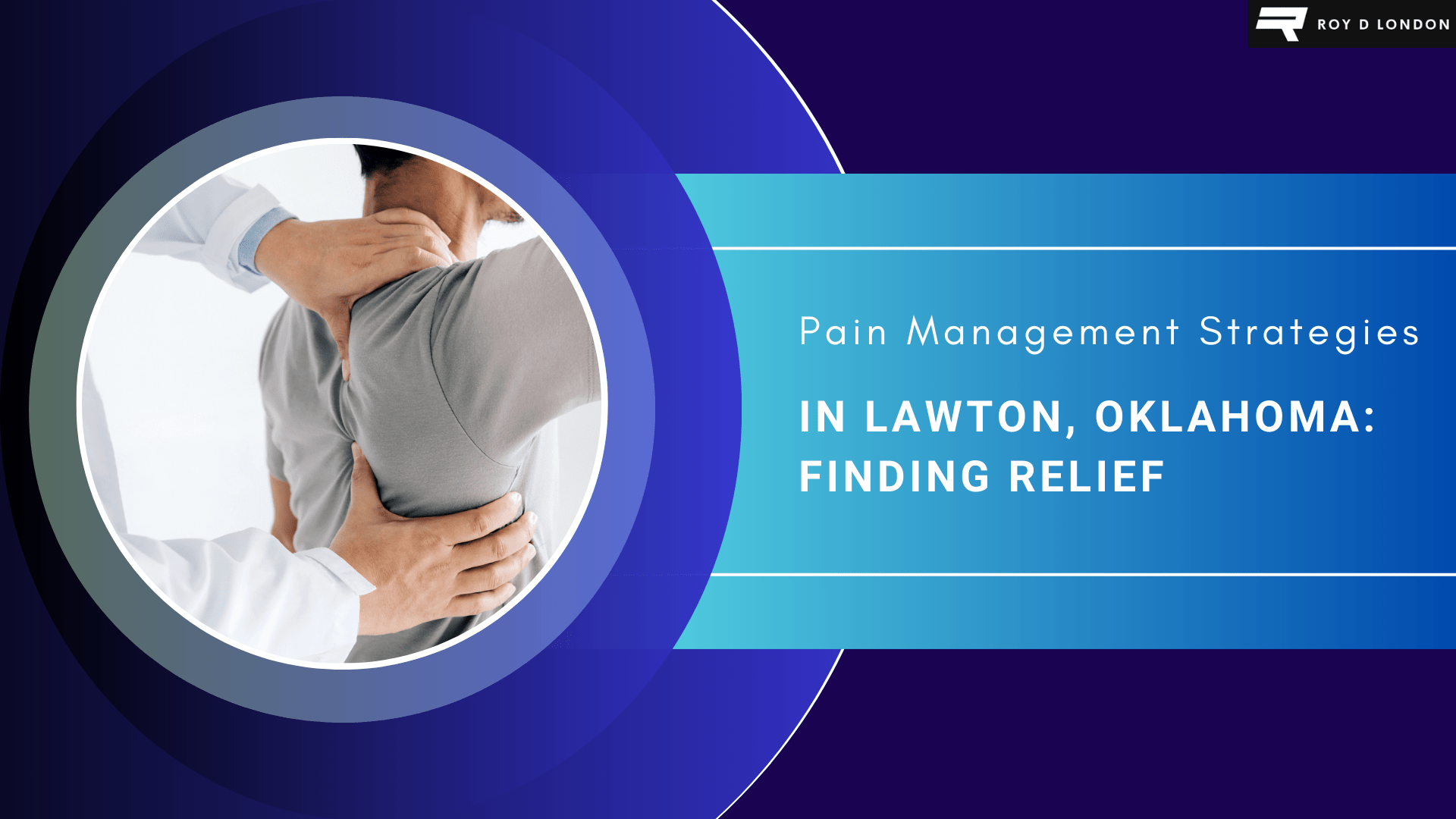
Pain Management Strategies in Lawton, Oklahoma: Finding Relief

Are you tired of living with constant pain? Do you long for relief, but feel like you’ve tried everything with no success? We understand how frustrating and discouraging chronic pain can be. It affects every aspect of your life, making even simple tasks feel like insurmountable challenges.
But here’s the good news: you don’t have to suffer in silence. Lawton, Oklahoma offers a variety of pain management strategies and techniques that can help you find the relief you’ve been searching for. Whether you’re looking for non-pharmaceutical approaches, holistic methods, or effective pain management techniques, there are options available to help alleviate your pain and improve your quality of life.
At [Name of Pain Management Clinic], we believe that each person’s pain experience is unique, and therefore, their pain management plan should be tailored to their individual needs. Our dedicated team of healthcare professionals in Lawton, Oklahoma is here to support you in your journey towards finding lasting relief.
Key Takeaways for Pain Management Strategies in Lawton, Oklahoma:
- Pain management strategies in Lawton, Oklahoma provide options for finding relief from chronic pain.
- Non-pharmaceutical and holistic methods are available for managing pain effectively.
- Lawton offers a range of pain management techniques tailored to individual needs.
- Seeking professional help from a pain management clinic can lead to improved quality of life.
- Remember, you don’t have to suffer in silence. There are options available to help alleviate your pain.
Chronic Pain Therapy: Addressing the Mind and Body
Engaging with a psychotherapist to help treat chronic pain can benefit both the mind and the body. Therapy for chronic pain focuses on addressing emotional health, challenging unhelpful thoughts, and developing new ways to respond to pain.
Therapeutic approaches such as cognitive behavioral therapy, biofeedback, and mindfulness-based stress reduction, along with pain management education, have been found to help people reduce fear and disability associated with chronic pain.
By targeting the psychological and emotional aspects of chronic pain, therapy can provide individuals with the tools and coping mechanisms needed to manage their symptoms more effectively. It can also help improve overall emotional well-being and quality of life.
Let’s take a closer look at some of the therapeutic approaches commonly used in chronic pain therapy:
- Cognitive Behavioral Therapy (CBT): This evidence-based approach helps individuals understand the connection between their thoughts, feelings, and behaviors. It focuses on challenging negative thought patterns and implementing new strategies to cope with pain.
- Biofeedback: This technique uses specialized equipment to provide real-time feedback about bodily functions such as heart rate, blood pressure, and muscle tension. It helps individuals gain awareness and control over their physiological responses, reducing pain and stress levels.
- Mindfulness-based Stress Reduction (MBSR): MBSR combines mindfulness meditation, body awareness, and gentle movement exercises to promote relaxation and reduce stress. It can help individuals develop a non-judgmental awareness of their pain and improve their ability to cope with it.
- Pain Management Education: Education about pain and its management is an essential component of chronic pain therapy. It helps individuals understand the nature of their pain, learn self-care techniques, and make informed decisions about their treatment options.
Through these therapeutic approaches, individuals can gain control over their chronic pain, develop healthier coping mechanisms, and improve their emotional well-being. Working with a qualified psychotherapist can provide the necessary support and guidance on the journey towards a better quality of life.

Benefits of Chronic Pain Therapy:
Chronic pain therapy offers several benefits, including:
- Improved pain management: By addressing the psychological aspects of chronic pain, therapy can help individuals effectively manage their pain symptoms.
- Enhanced emotional well-being: Therapy provides a safe space for individuals to explore and process their emotions related to chronic pain, leading to improved emotional health.
- Reduced fear and disability: Through various therapeutic approaches, individuals can learn techniques to reduce fear and minimize the impact of chronic pain on their daily lives.
- Improved coping mechanisms: Therapy equips individuals with practical tools and strategies to cope with the challenges posed by chronic pain, enhancing their overall resilience.
New Treatments for Chronic Pain
In cases where chronic pain is medically unexplained, there are new treatments available. One such treatment is pain reprocessing therapy (PRT), which aims to help individuals “unlearn” the brain’s response to ongoing pain signals. PRT practitioners work with patients to reduce the perceived threat value of pain signals and develop new emotional regulation skills.
This therapy can be particularly effective for individuals who have previously experienced physical ailments that have healed but continue to experience pain signals from the brain. By addressing the changes in the brain associated with chronic pain and teaching patients how to regulate their emotions, PRT offers a promising approach to managing chronic pain.
Chronic pain can be a complex condition with various factors contributing to its persistence. While traditional treatments focus on managing pain symptoms, new approaches like PRT recognize the role of the brain in chronic pain and target the underlying neurological processes. By promoting emotional regulation skills, PRT offers a comprehensive approach to pain management, addressing both the physical and emotional aspects of chronic pain.
Duration of Therapy for Chronic Pain
The duration of therapy for chronic pain can vary from person to person, as it depends on various factors such as the underlying causes and individual response to treatment. In most cases, patients can expect to undergo therapy for several weeks or months to achieve effective pain management and relief.
Pain reprocessing therapy is a specific therapeutic approach that has shown promise in addressing chronic pain. This evidence-based therapy focuses on retraining the brain’s response to pain signals, helping individuals develop new coping mechanisms and reduce pain perception.
Studies have shown that pain reprocessing therapy can produce positive results in a relatively short period of time. In some cases, as little as eight therapy sessions over a four-week period have been shown to significantly reduce pain levels in individuals with chronic pain conditions.
| Key Points | Duration of Therapy for Chronic Pain |
|---|---|
| Typical recovery timeline | Several weeks to months |
| Number of therapy sessions | At least 12 sessions |
| Effectiveness of pain reprocessing therapy | Pain reduction in as little as eight sessions over four weeks |
It’s important to note that the duration of therapy and the number of sessions can vary depending on individual needs and the complexity of the pain condition. Therapists will work closely with patients to develop personalized treatment plans that can provide optimal pain management and long-term relief.
Next up: we will explore the causes and treatment options for different types of chronic pain, offering insights on how individuals can effectively manage their pain and improve their quality of life.
Understanding Back Pain: Causes and Treatment
Back pain is a common condition that can significantly impact an individual’s daily life. Understanding the causes and treatment options for back pain is essential for effective management and relief. Whether you are experiencing acute back pain or dealing with the challenges of chronic back pain, there are therapeutic approaches available to help restore your mobility and alleviate discomfort.
Causes of Back Pain
Back pain can arise from various factors, including:
- Injury: Traumatic incidents such as falls, accidents, or sports-related mishaps can lead to back pain.
- Wear and Tear: Regular activities or repetitive movements that strain the back, such as heavy lifting or poor posture, can contribute to back pain over time.
- Underlying Conditions: Conditions such as arthritis, disc disease, or spinal stenosis can cause chronic back pain by affecting the structures of the back.
Identifying the underlying cause of your back pain is crucial for determining the appropriate treatment plan.
Treatment Options for Back Pain
The treatment of back pain depends on its type and severity. Here are some common treatment approaches:
- Rest and Medication: For acute back pain, short-term rest and over-the-counter pain relievers can provide relief.
- Physical Therapy: Therapeutic exercises, stretching, and manual techniques can help strengthen the back muscles, improve flexibility, and reduce pain.
- Injections: Corticosteroid injections or nerve blocks may be used to reduce inflammation and provide temporary pain relief.
- Alternative Therapies: Techniques such as acupuncture, chiropractic care, or massage therapy can help alleviate back pain and promote relaxation.
- Surgery: In severe cases, when other treatments fail to provide relief, surgical intervention may be considered to address the underlying cause of the back pain.
Each individual’s back pain is unique, so a personalized treatment plan should be developed in consultation with a healthcare provider. They can assess your condition, recommend appropriate therapies, and guide you towards effective pain management techniques.

By understanding the causes of back pain and exploring various treatment options, individuals can take proactive steps towards finding relief and improving their quality of life.
Managing Neck Pain: Diagnosis and Treatment
Neck pain is a common condition that can greatly impact a person’s quality of life. To effectively manage neck pain, accurate diagnosis and appropriate treatment are essential.
Diagnosing neck pain involves a thorough physical examination by a healthcare professional. This may include assessing the range of motion, muscle strength, and any neurological abnormalities. In some cases, imaging scans such as CT scans or MRIs may be ordered to help identify any underlying structural issues or abnormalities.
Once a proper diagnosis is made, a tailored treatment plan can be developed. The approach to managing neck pain depends on whether it is acute or chronic in nature.
Treatment Options for Acute Neck Pain
Acute neck pain, which is pain that lasts less than six weeks, often improves with self-care strategies and conservative measures. These may include:
- Rest: Taking short breaks and avoiding activities that exacerbate the pain.
- Hot/Cold Therapy: Applying heat or cold packs to the affected area can help reduce inflammation and provide temporary relief.
In most cases, acute neck pain resolves with these self-care strategies within a few weeks.
Treatment Options for Chronic Neck Pain
Chronic neck pain, which lasts longer than three months, may require more comprehensive treatment approaches. The options for managing chronic neck pain include:
- Medications: Over-the-counter pain relievers or prescription medications may be recommended to manage chronic neck pain. These can include nonsteroidal anti-inflammatory drugs (NSAIDs) or muscle relaxants.
- Physical Therapy: A physical therapist can provide exercises and stretching routines to help improve mobility, strengthen the neck muscles, and reduce pain.
- Surgery: In severe cases where conservative measures are ineffective, surgical intervention may be considered as a last resort. This may involve procedures such as discectomy, fusion, or artificial disc replacement.
It’s important to note that the treatment plan for chronic neck pain should be individualized and tailored to each person’s specific needs and underlying causes of their pain.

Understanding the underlying cause of neck pain is crucial in determining the most effective treatment strategy. Whether it’s through self-care measures, medical interventions, or a combination of both, managing neck pain requires a comprehensive approach that addresses the unique needs of each individual.
Summary of Neck Pain Diagnosis and Treatment Options
| Diagnosis | Treatment Options |
|---|---|
| Physical Examination | Rest, hot/cold therapy |
| Imaging Scans (CT, MRI) | Medications, physical therapy, surgery |
| Acute Neck Pain | Self-care strategies |
| Chronic Neck Pain | Medications, physical therapy, surgery |
The table above provides a summary of the diagnosis and treatment options available for neck pain. It is important to consult with a healthcare professional for an accurate diagnosis and personalized treatment plan.
Understanding Nerve Pain: Causes and Treatment Options
Nerve pain, also known as neuropathic pain, can be caused by various factors and conditions. It occurs when there is damage or dysfunction in the nerves, leading to a sensation of pain. Understanding the causes of nerve pain is crucial in determining the appropriate treatment options.
Nerve Pain Causes
Nerve pain can result from:
- Medications: Some medications, such as certain chemotherapy drugs, can cause nerve damage and lead to neuropathic pain.
- Diseases affecting the nervous system: Conditions like diabetes, multiple sclerosis, and shingles can damage the nerves and cause chronic nerve pain.
- Trauma: Injuries, accidents, and surgeries can result in nerve damage, leading to persistent pain.
- Compression or inflammation of nerves: Conditions like carpal tunnel syndrome, herniated discs, or nerve entrapment can put pressure on nerves, causing pain.
Nerve Pain Treatment Options
Treatment options for nerve pain aim to reduce pain, improve function, and enhance quality of life. The choice of treatment depends on the severity of the pain, underlying cause, and individual preferences. Here are some common treatment options:
- Medication: Certain medications, such as anti-seizure drugs (e.g., gabapentin, pregabalin) and antidepressants (e.g., amitriptyline, duloxetine), can help relieve nerve pain.
- Pain patches: Topical patches containing lidocaine or capsaicin can provide localized relief for nerve pain.
- Surgery: In specific cases where nerve compression or injury requires intervention, surgery may be considered to alleviate the underlying cause of the pain.
- Therapies: Various therapies can complement medical treatments and provide additional pain relief. These include:
| Therapy | Description |
|---|---|
| Acupuncture | By inserting thin needles into specific points on the body, acupuncture is believed to stimulate nerves, promoting pain relief and overall well-being. |
| Physical therapy | Physical exercises, stretching, and manual techniques can help strengthen muscles, improve mobility, and reduce nerve pain. |
| Relaxation techniques | Practices such as deep breathing, guided imagery, and meditation can help manage stress and alleviate nerve pain. |
It is important to consult with healthcare professionals to determine the most suitable treatment plan for reducing nerve pain and improving overall quality of life.

Dealing with Migraines: Symptoms and Treatment
Migraines are a type of severe headache that can cause intense pain, along with other debilitating symptoms such as nausea and sensitivity to light and sound. The exact cause of migraines is not fully understood, but they are believed to involve chemical imbalances in the brain and changes in blood flow.
The symptoms of migraines can vary from person to person, but common indicators include:
- Throbbing or pulsating pain
- Localized pain on one side of the head
- Visual disturbances, such as seeing flashing lights or blind spots
- Nausea and vomiting
- Sensitivity to light and sound
Triggers for migraines can also vary, and it’s important for individuals to identify their specific triggers to help prevent future episodes. Some common triggers include:
- Certain foods and beverages, such as cheese, chocolate, and alcohol
- Hormonal changes, including fluctuations during menstruation or menopause
- Stress or emotional factors
- Environmental factors, such as bright lights or strong odors
When it comes to treating migraines, there are various options available. Medications can be prescribed to help alleviate pain during an episode and prevent future migraines. These may include:
- Over-the-counter pain relievers, such as acetaminophen or nonsteroidal anti-inflammatory drugs (NSAIDs)
- Prescription medications specifically designed for migraines, such as triptans or ergots
- Preventive medications, which are taken regularly to reduce the frequency and severity of migraines
In addition to medications, lifestyle changes can also play a significant role in managing migraines:
- Stress reduction techniques, such as relaxation exercises or meditation
- Avoiding triggers, such as certain foods or environmental factors
- Establishing regular sleep patterns and getting enough rest
- Regular exercise and maintaining a healthy lifestyle
It’s important for individuals with chronic migraines to work closely with their healthcare provider to develop an individualized treatment plan that addresses their specific symptoms and needs. By combining medication management with lifestyle modifications, individuals can find relief from migraines and improve their quality of life.
Coping with Post-Stroke Pain: Types and Symptoms
Post-stroke pain is a common challenge that individuals may face after experiencing a stroke. It can occur immediately after a stroke or develop weeks or months later. This pain can take various forms, including joint pain and localized pain in different areas of the body. However, the type and severity of post-stroke pain can vary from person to person.
Joint pain is one of the types of post-stroke pain that individuals may experience. It can affect the joints in the arms, legs, or other parts of the body. This pain can make everyday activities challenging and impact the overall quality of life for stroke survivors.
Localized pain is another common symptom of post-stroke pain. It refers to pain that is confined to a specific area, such as the back, shoulder, or face. This localized discomfort can be sharp, throbbing, or constant, and it can significantly affect a person’s daily functioning and well-being.
Managing post-stroke pain requires a personalized approach. Treatment options may include medications to alleviate pain, physical therapy to improve mobility and function, or other interventions tailored to the individual’s needs. It is crucial for stroke survivors to work closely with healthcare professionals to develop a comprehensive pain management plan that addresses their specific symptoms and improves their quality of life.
Post-Stroke Pain Relief Techniques
When it comes to managing post-stroke pain, a multimodal approach may be recommended. This involves combining different techniques and treatments to achieve optimal pain relief. Here are some common post-stroke pain relief techniques:
- Medication management: Certain medications such as pain relievers, antidepressants, or anticonvulsants may be prescribed to help manage post-stroke pain.
- Physical therapy: Physical therapy can help improve strength, flexibility, and mobility, which can alleviate pain and enhance overall functioning.
- Occupational therapy: Occupational therapy focuses on improving daily tasks and activities, helping individuals regain independence and minimize pain during daily routines.
- Transcutaneous electrical nerve stimulation (TENS): TENS involves the use of low-voltage electrical currents to relieve pain by stimulating the nerves in the affected area.
It is important to note that the effectiveness of these techniques may vary from person to person. Therefore, working closely with healthcare professionals is crucial to determine the most suitable treatment plan for post-stroke pain relief.
The Different Types of Post-Stroke Pain
| Type of Post-Stroke Pain | Symptoms |
|---|---|
| Joint Pain | Pain and discomfort in the joints, affecting mobility and daily activities. |
| Localized Pain | Pain confined to a specific area of the body, such as the back, shoulder, or face. |
Table: The Different Types of Post-Stroke Pain
Pain Management Techniques: An Overview
Pain management techniques encompass a wide range of approaches that can help individuals find relief from pain and improve their daily functioning. These techniques include non-pharmaceutical approaches, holistic methods, as well as invasive and non-invasive treatments.
Non-pharmaceutical approaches focus on managing pain without the use of medication. These techniques may include:
- Physical therapy
- Massage therapy
- Acupuncture
- Chiropractic care
- Exercise and stretching
Holistic methods take a comprehensive approach to pain management, considering the physical, mental, and emotional aspects of a person’s well-being. These techniques may include:
- Mind-body therapies such as yoga and meditation
- Relaxation techniques
- Herbal remedies
- Aromatherapy
- Heat and cold therapy
Invasive vs. non-invasive treatments refer to the extent of medical intervention required. Invasive treatments may involve surgical procedures or implantation of devices to alleviate pain, while non-invasive treatments focus on external approaches. Examples of invasive and non-invasive treatments include:
- Invasive: Surgical interventions, nerve blocks, or spinal cord stimulation
- Non-invasive: Transcutaneous electrical nerve stimulation (TENS), ultrasound therapy, or laser therapy
When considering pain relief strategies, it is important to consult with a healthcare provider to determine the most suitable approach for each individual’s unique condition and circumstances.
Note: The image above illustrates various pain management techniques and is for visual representation only.
Conclusion
Finding relief from pain in Lawton, Oklahoma is possible through a range of effective pain management strategies and techniques. Whether it’s exploring therapy options, trying out new treatments, or considering targeted interventions, individuals in Lawton can discover ways to alleviate chronic pain and enhance their overall quality of life.
Consulting with healthcare professionals is crucial in designing personalized pain management plans. They can provide guidance on the most suitable approaches and modalities, taking into account the specific needs and circumstances of each individual.
By staying informed about available pain relief options, Lawton residents can take proactive steps towards managing their pain effectively. It is important to remember that pain management is a journey, and finding the right combination of techniques and therapies may require patience and persistence. Rest assured, however, that with the support of healthcare professionals, there are viable solutions for managing pain in Lawton, Oklahoma.
FAQ
What are some pain management strategies in Lawton, Oklahoma?
Lawton, Oklahoma residents can find relief from pain through various strategies and techniques, including non-pharmaceutical approaches, holistic methods, and effective pain management techniques.
What is chronic pain therapy?
Chronic pain therapy focuses on addressing emotional health, challenging unhelpful thoughts, and developing new ways to respond to pain. Therapeutic approaches such as cognitive behavioral therapy, biofeedback, and mindfulness-based stress reduction, along with pain management education, can help reduce fear and disability associated with chronic pain.
Are there new treatments available for chronic pain?
Yes, pain reprocessing therapy (PRT) is designed to help individuals “unlearn” the brain’s response to ongoing pain signals. PRT practitioners assist patients in reducing the perceived threat value of pain signals and developing new emotional regulation skills. This treatment can be particularly effective for individuals with previous physical ailments that have healed but continue to experience pain signals from the brain.
How long does therapy for chronic pain typically last?
The duration of therapy for chronic pain varies for each individual, but most patients can expect to see a therapist for several weeks or months, typically spanning at least 12 sessions. Studies have shown that pain reprocessing therapy can lead to a reduction in pain in as little as eight sessions over a four-week period.
What are the causes and treatment options for back pain?
Back pain can be caused by various factors, including injury, wear and tear, and underlying conditions such as arthritis or disc disease. Treatment options for back pain depend on the type and severity of the pain, ranging from short-term solutions like rest and medication for acute pain to long-term approaches for chronic pain, such as therapeutic interventions like physical therapy or surgery.
How is neck pain diagnosed and treated?
Neck pain can be diagnosed through physical exams and imaging scans, such as CT scans or MRIs. Treatment options for neck pain include self-care strategies like rest and hot/cold therapy, as well as medical interventions like medications, physical therapy, and, in some cases, surgery. The approach to managing neck pain depends on the underlying cause and severity of the pain.
What causes nerve pain and what are the treatment options?
Nerve pain, also known as neuropathic pain, can result from various causes, including medications, diseases affecting the nervous system, trauma, and compression or inflammation of nerves. Treatment options for nerve pain include medication, pain patches, surgery (in specific cases), and various therapies such as acupuncture, physical therapy, and relaxation techniques.
How are migraines treated?
Migraines are severe headaches that can cause intense pain, nausea, and sensitivity to light and sound. Treatment options for migraines range from medications to lifestyle modifications such as stress reduction techniques and dietary changes. The specific treatment approach depends on the individual’s symptoms and triggers.
What is post-stroke pain and how is it managed?
Post-stroke pain can occur immediately after a stroke or weeks/months later. It can manifest as joint pain or localized pain in various areas of the body. The type and severity of post-stroke pain can vary from person to person. Treatment options depend on the specific type of pain and may involve medications, physical therapy, or other interventions.
What are some pain management techniques?
Pain management techniques encompass a wide range of approaches, including non-pharmaceutical and holistic methods, as well as invasive and non-invasive treatments. These techniques can help individuals find relief from pain and improve their daily functioning. It is important to discuss with a healthcare provider to determine the most appropriate pain management approach for each individual.
How can I find relief from pain in Lawton, Oklahoma?
Finding relief from pain in Lawton, Oklahoma is possible through various pain management strategies and techniques. Whether it’s through therapy, new treatments, or targeted interventions, individuals in Lawton can find relief from chronic pain and improve their quality of life. It is important to consult with healthcare professionals for personalized pain management plans.
Source Links
- https://okpainphysicians.com/back-pain-treatment-doctor-gene-autry.php
- https://www.psychologytoday.com/us/therapists/ok/lawton?category=chronic-pain
- https://www.mmgonline.org/pain-management-info/
Venture into the ideas presented in these fascinating articles I’ve selected. Revolutionary Biodynamix Joint Genesis: The Breakthrough Solution for Lifelong Joint Vitality and Flexibility Effective Braces and Supports: You Can Buy for Shoulder Pain Relief. 75 Best Life-Changing Weight Loss Tips You Can Easily Start Today, Best Cellcore Parasite Cleanse Alternative For A Pure Body Detox, The 5 Best Kangen Water System Alkaline Water Ionizers, 11 Best Exercise Bikes With Arm Workout.
Here are some articles that stand that are compelling and enlightening for you to read. Effective Knee Pain Treatments: Products for a Pain-Free Life. Tennis Elbow Treatment: Top Products for Quick Relief.
Elevate Your Online Courses with Skool: The Best New Course Creation and Hosting Platform. Best AI-Animated Video Software ClipsReel AI.
AFFILIATE / THIRD-PARTY LINKS
This post may contain affiliate links from programs and businesses whose products and services are of the best quality and standards, in my opinion, if you purchase through these links, I may receive a small commission at no cost to you.