How to Stop Painful Joints: Effective Solutions for Knee and Shoulder Pain

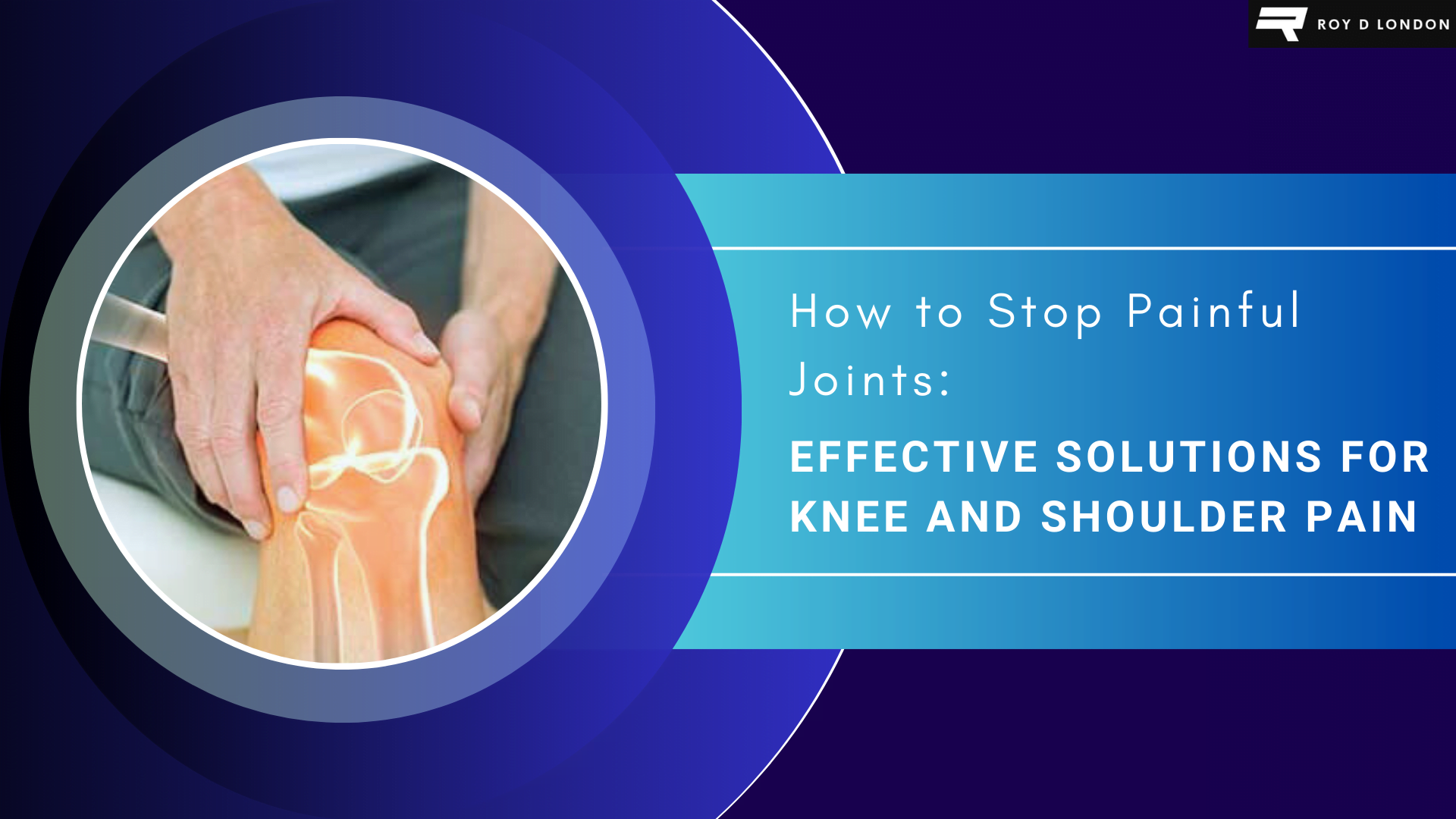
Are you tired of living with constant knee or shoulder pain? Do you find it difficult to carry out everyday tasks and enjoy the activities you love? We understand how frustrating and limiting joint discomfort can be, but you’re not alone.
Joint pain affects millions of people worldwide, and it can be caused by various factors, including inflammatory diseases like rheumatoid arthritis. The good news is that there are effective solutions and remedies that can provide relief, allowing you to regain control of your life.
In this article, we will explore proven methods for reducing knee and shoulder pain, including therapeutic exercises, lifestyle modifications, and natural remedies. Whether you’re looking for ways to manage joint discomfort or relieve inflammation, we’ve got you covered. Let’s take the first step towards a pain-free life together.
Key Takeaways of How to Stop Painful Joints:
- Learn therapeutic exercises to alleviate knee and shoulder pain.
- Discover lifestyle modifications that can reduce joint discomfort.
- Explore natural remedies for relieving inflammation.
- Find effective solutions to regain mobility and improve your quality of life.
- Consult with healthcare professionals to determine the best approach for your individual needs.
Managing Neck Pain
Neck pain can be a common source of discomfort, affecting mobility and overall well-being. To manage neck pain, we recommend the following therapeutic approaches:
- Apply moist heat to the affected area. This can be achieved by using a warm towel or taking a warm shower. Moist heat helps to relax the muscles and alleviate neck pain.
- Use a cervical pillow during sleep. These specially designed pillows support the natural curvature of the neck, promoting proper alignment and reducing strain on the muscles.
- Practice slow range-of-motion exercises for neck pain relief. These exercises include gentle neck stretches and rotations, helping to improve flexibility, strengthen the muscles, and decrease pain.
“Managing neck pain is crucial for maintaining daily activities and enhancing quality of life. By implementing these therapeutic approaches, individuals can find neck pain relief and improve their range of motion.”
Relieving Jaw Pain
Jaw pain can be challenging, particularly when it affects biting and chewing. To alleviate jaw pain, there are several effective strategies you can try:
- Soft Food Diet: Opt for softer foods that require less exertion from your jaw muscles. This can help reduce strain and pain while eating.
- Heat and Cold Therapy: Applying moist heat or cold therapy to your jaw can provide relief. Use a warm compress or a cold pack wrapped in a thin cloth and apply it to the affected area for 10-15 minutes at a time.
- Jaw Exercises: Gentle jaw exercises can help relieve tension and strengthen your jaw muscles. Try simple exercises like opening and closing your mouth, moving your jaw from side to side, and gently massaging the muscles of your head and neck.
It’s important to note that if your jaw pain persists or worsens, it’s always best to consult with a healthcare professional for a proper diagnosis and treatment plan.
Take a look at the image below for a visualization of the exercises mentioned:
Remember to start with gentle movements and gradually increase intensity as tolerated. Be sure to stop any exercise that causes pain or discomfort and seek guidance from a healthcare professional if needed.

Easing Elbow Pain
Elbow pain can significantly impact daily activities, making it essential to find effective relief strategies. Whether the pain is caused by an injury, overuse, or a medical condition like tennis elbow, there are various methods that can help alleviate discomfort and promote healing.
Heat and Cold Therapy
Applying heat or cold therapy can provide temporary pain relief and help reduce inflammation in the elbow joint. Heat therapy, such as using a warm towel or taking a warm bath, can help increase blood flow and relax the muscles. On the other hand, cold therapy, like using an ice pack or ice wrapped in a cloth, can help numb the area and reduce swelling.
Splints and Braces
Splints and braces can provide support to the elbow joint, promoting healing and preventing further strain or injury. They can help reduce pressure on the affected area, limit motion, and allow the injured tissues to rest and recover. Depending on the specific condition, different types of splints or braces may be recommended, such as elbow sleeves, straps, or immobilization splints.
Exercises and Stretches
Performing targeted exercises and stretches can help relieve elbow pain and improve flexibility and strength in the surrounding muscles. These exercises can help maintain mobility, prevent muscle shortening, and promote healing. It is crucial to consult with a healthcare professional or physical therapist to receive guidance on the most appropriate exercises for your specific condition.
Tip: Simple elbow stretches, such as bending and straightening the elbow joint, can help improve range of motion and reduce stiffness. Strengthening exercises, like forearm curls or wrist curls, can also be beneficial.
Here is an example of a stretching exercise that can help ease elbow pain:
| Elbow Stretch Exercise | Instructions |
|---|---|
|
Remember to start any exercise program gradually and listen to your body. If the pain increases or persists, it is important to seek medical advice.
By incorporating heat or cold therapy, using splints or braces, and performing targeted exercises, individuals can find relief from elbow pain and support the healing process. However, it is always essential to consult with a healthcare professional for an accurate diagnosis and personalized treatment plan.
Managing Wrist Pain
Wrist pain can make simple tasks challenging, such as raising the wrist or making a fist. To provide support and alleviate pain, we recommend using functional splints during the day and resting splints at night.
Functional splints are designed to be worn during activities, providing stability and reducing strain on the wrist. These splints can be particularly helpful for individuals who perform repetitive tasks or engage in sports that put stress on the wrists. Resting splints, on the other hand, are worn while sleeping to promote proper alignment and minimize discomfort.
In addition to splinting, incorporating specific exercises into your daily routine can help improve wrist mobility and strengthen the surrounding muscles. Here are some wrist exercises to consider:
-
Wrist Flexion and Extension: Place your forearm on a table or other flat surface, palm facing down. Gently bend your wrist upwards, bringing your fingers towards your body. Hold for a few seconds, then slowly lower your hand back to the starting position. Repeat this motion for a few repetitions, then switch to the opposite hand.
-
Wrist Supination and Pronation: Extend your arm in front of you with your palm facing down. Rotate your wrist to bring your palm up towards the ceiling, then slowly rotate it back down to the starting position. Repeat this movement several times, then switch to the other hand.
-
Finger Extension Stretch: Start by making a fist with your hand, then slowly extend your fingers as wide as possible. Hold this position for a few seconds, then relax your fingers back into a fist. Repeat this stretch multiple times on each hand.
By combining the use of splints and incorporating targeted exercises into your routine, you can effectively manage wrist pain and regain functionality. Always consult with a healthcare professional for personalized advice and guidance on managing your specific condition.

Our Favorite Splints for Wrist Pain Relief
| Splint Type | Brand | Features |
|---|---|---|
| Functional Splint | Brand A | – Adjustable straps – Breathable materials – Lightweight and comfortable |
| Resting Splint | Brand B | – Soft padding for enhanced comfort – Ergonomic design for proper support – Easy to wear and remove |
| Functional Splint | Brand C | – Contoured shape for optimal fit – Secure yet flexible support – Suitable for various activities |
Alleviating Finger Pain
Painful fingers can significantly impact dexterity and fine motor skills, hindering our ability to perform everyday tasks. Whether the pain is caused by arthritis, repetitive strain injuries, or other underlying conditions, finding relief is crucial for maintaining productivity and overall well-being.
Fortunately, there are various strategies and tools available to help alleviate finger pain. Here are three effective approaches:
- Ergonomic Pens and Pencils: Using ergonomic writing instruments can make a significant difference in reducing finger pain and discomfort. These pens and pencils are designed to provide a more relaxed grip, ergonomic fit, and reduced strain on the fingers. They promote proper alignment and minimize the pressure exerted on sensitive joints, allowing for a more comfortable writing experience.
- Minimizing Handwriting by Utilizing Computers: Excessive handwriting can exacerbate finger pain, especially for those with chronic conditions like arthritis. Minimizing handwriting by embracing technology, such as using computers or tablets for writing tasks, can help alleviate discomfort. Typing allows for a more gentle and controlled motion, reducing the strain on the fingers and joints.
- Finger-Strengthening Exercises: Engaging in regular finger-strengthening exercises can improve finger function, reduce pain, and enhance dexterity. These exercises can include squeezing stress balls, using hand grip strengtheners, or performing simple hand and finger stretches. Strengthening the muscles surrounding the fingers and promoting flexibility can contribute to overall finger pain relief.
By implementing these approaches, we can effectively address finger pain and regain our ability to perform daily tasks with ease. Whether at work or in our personal lives, finding relief from finger pain is essential for maintaining productivity and ensuring a better quality of life.
Relieving Hip Pain
Hip pain can significantly impact walking, sitting, and other daily activities. It can be caused by various factors such as arthritis, muscle strains, or bursitis. Finding effective hip pain relief is crucial for maintaining mobility and overall quality of life. Here are some strategies that can help alleviate hip pain and improve flexibility:
- Range-of-Motion Exercises: Regularly performing range-of-motion exercises can help strengthen the muscles around the hip joint and improve flexibility. Some effective exercises include leg swings, hip rotations, and marching in place. Consult with a physical therapist or healthcare provider for proper guidance and to learn exercises suitable for your condition.
- Warm Baths: Soaking in warm baths can provide temporary relief from hip pain. The warm water helps relax the muscles and reduce inflammation. Consider adding Epsom salt to the bathwater for added relaxation.
- Hip-Strengthening Exercises: Strengthening the muscles around the hip joint can help support and stabilize the area, reducing strain and discomfort. Squats, lunges, and hip lifts are examples of exercises that target the hip muscles. It is important to perform these exercises with proper form and technique to avoid further injury.

Implementing these strategies can provide hip pain relief and improve range of motion. However, it is important to consult with a healthcare professional for an accurate diagnosis and personalized treatment plan. They can provide targeted guidance, recommend additional therapies, or suggest other interventions to address the underlying cause of your hip pain.
Managing Knee Pain
Knee pain can significantly impact mobility, making simple activities like squatting or climbing stairs challenging and uncomfortable. Fortunately, there are effective strategies for knee pain relief that can help alleviate discomfort and support knee function.
Rest and Elevation: When experiencing knee pain, it’s important to rest the affected knee and elevate it to reduce swelling. Resting with the knee in a straight position can help relieve pressure on the joint and promote healing.
Knee Support Devices: Using support devices like canes or knee braces can provide stability and reduce stress on the knee joint. These devices help distribute weight evenly and alleviate pain, allowing for easier movement.
Strengthening Exercises: Engaging in knee-strengthening exercises can help improve muscle support around the knee joint, enhancing stability and reducing pain. Some effective exercises include straight leg raises, hamstring curls, and quadriceps contractions.
Performing these exercises regularly, under the guidance of a healthcare professional, can help build strength and flexibility in the knee, providing long-term pain relief and improved knee function.
Alleviating Ankle Pain
Ankle pain can significantly impact mobility and hinder daily activities. Fortunately, there are effective measures for ankle pain relief. By incorporating in-shoe orthotics, performing ankle exercises, and stretching the calf muscles, individuals can reduce pain and improve ankle stability.
Using in-shoe orthotics provides additional support to the ankle joint, reducing strain and relieving pain. These specialized inserts can be easily inserted into shoes, offering cushioning and stability for those experiencing ankle discomfort. They help distribute body weight evenly, reducing the pressure on the ankle and mitigating pain.
To enhance ankle strength and flexibility, ankle exercises are highly beneficial. These exercises help strengthen the muscles surrounding the ankle, improving stability and reducing the risk of injury. Examples include ankle circles, toe raises, and ankle alphabet exercises.
Stretching the calf muscles is also crucial for alleviating ankle pain. Tight calf muscles can contribute to ankle discomfort, as they can pull on the Achilles tendon and affect ankle mobility. By performing calf stretches regularly, individuals can improve flexibility and decrease ankle pain.
Remember, it’s important to consult with a healthcare professional before starting any new exercise or treatment regimen to ensure it is appropriate for your specific condition.
By combining the use of in-shoe orthotics, ankle exercises, and calf muscle stretches, individuals can experience significant ankle pain relief and enhance ankle stability. These measures provide a holistic approach to managing ankle pain and promote overall well-being.

Comparison of In-Shoe Orthotics for Ankle Pain Relief
| Orthotic Type | Features | Benefits |
|---|---|---|
| Arch Support Orthotics | Custom-molded arch support | Improves foot alignment and weight distribution |
| Gel Cushioning Orthotics | Gel pads for shock absorption | Provides cushioning and reduces impact on the ankle |
| Heel Cups | Raised heel support | Stabilizes the ankle and reduces strain on the Achilles tendon |
| Active Ankle Braces | Adjustable straps for compression and support | Offers enhanced stability during physical activities |
Table: A comparison of in-shoe orthotics for ankle pain relief. Each type of orthotic provides unique features and benefits to address ankle pain and improve stability.
Relieving Foot Pain
Foot pain can be debilitating, making it difficult to perform daily activities. One common area of foot pain is the ball of the foot. This can result from various factors such as wearing ill-fitting shoes, overuse, or certain medical conditions. To find relief and improve foot function, there are several effective strategies to consider.
Pain Relief with Foot Pads
Foot pads for pain relief can provide cushioning and support to the affected area, reducing pressure and discomfort. These pads are designed to fit inside shoes or sandals, offering targeted relief for the ball of the foot. They are typically made from soft materials that absorb shock and provide added padding, creating a more comfortable walking experience.
Orthopedic Shoes for Foot Pain
When dealing with foot pain, it is essential to wear proper footwear. Orthopedic shoes for foot pain are specially designed to provide optimal support and relieve pressure on the sensitive areas of the foot. These shoes often feature additional cushioning, a wider toe box, and arch support to promote proper alignment and alleviate discomfort. Investing in a pair of orthopedic shoes can significantly enhance foot pain relief.
Foot Exercises for Pain Relief
Incorporating specific foot exercises into your daily routine can help strengthen muscles, improve flexibility, and relieve foot pain. Some effective exercises include toe curls, arch lifts, and stretching exercises. These exercises can be performed at home or under the guidance of a physical therapist or healthcare professional.
Remember, if foot pain persists or worsens, it is essential to consult with a healthcare professional for a proper diagnosis and personalized treatment plan.
“Finding relief from foot pain is crucial for maintaining an active and fulfilling lifestyle. By utilizing foot pads, wearing orthopedic shoes, and engaging in foot exercises, individuals can alleviate pain and improve their overall foot function.”
Finding Pain Relief for Arthritis
Arthritis can cause significant pain and discomfort, impacting daily life and overall well-being. Fortunately, there are various approaches to help alleviate arthritis pain and manage inflammation. Let’s explore some effective methods for arthritis pain relief:
Disease-Modifying Medications
One option for managing arthritis pain is the use of disease-modifying medications. These medications work to slow down the progression of the disease and reduce joint inflammation. They can help alleviate pain and improve overall joint function. It is important to consult with a healthcare professional to determine the most suitable medication for individual needs.
Oral Pain Relievers
Oral pain relievers are commonly used to provide temporary relief from arthritis pain. Nonsteroidal anti-inflammatory drugs (NSAIDs) such as ibuprofen and naproxen sodium can help reduce pain and inflammation. Acetaminophen may also be recommended for pain relief. It is essential to follow the recommended dosage and consult with a healthcare professional before taking any medication.
Joint Injections
For individuals with severe arthritis pain, joint injections may be an option. Corticosteroids, hyaluronic acid, or other substances can be injected directly into the affected joint to reduce inflammation and pain. These injections can provide targeted relief and improve joint mobility. A healthcare professional can determine the most appropriate type of joint injection based on individual needs.
Topical Analgesics
Topical analgesics, such as creams, gels, or patches, can be applied directly to the skin over the affected joint to provide localized pain relief. These products typically contain ingredients like menthol or capsaicin, which help soothe sore joints. Topical analgesics are a convenient and non-invasive option for managing arthritis pain.
It is important to note that while these methods can help alleviate arthritis pain, they may not address the underlying cause of the condition. It is advisable to consult with a healthcare professional for a comprehensive treatment plan that includes both pain management strategies and disease-modifying approaches.
By combining these different approaches, individuals can find effective arthritis pain relief and improve their quality of life.
“`html
“`
Table: Comparison of Arthritis Pain Relief Methods
| Treatment Method | Description | Pain Relief Effectiveness | Targeted Area |
|---|---|---|---|
| Disease-Modifying Medications | Medications that slow down the progression of arthritis and reduce joint inflammation | Effective in managing pain and inflammation | Systemic, affecting multiple joints |
| Oral Pain Relievers | Medications taken orally to provide temporary relief from arthritis pain and reduce inflammation | Provide temporary relief for pain and inflammation | Systemic, affecting multiple joints |
| Joint Injections | Injection of corticosteroids, hyaluronic acid, or other substances directly into the affected joint | Provide targeted relief and improve joint mobility | Localized to specific joints |
| Topical Analgesics | Creams, gels, or patches applied directly to the skin over the affected joint | Provide localized pain relief and soothe sore joints | Localized to specific joints |
Conclusion
In conclusion, there are several effective solutions for managing knee and shoulder pain. By incorporating targeted exercises, making lifestyle modifications, and exploring natural remedies, individuals can find relief and improve their overall quality of life.
Exercise plays a crucial role in strengthening the muscles around the knee and shoulder joints, improving stability and reducing pain. Specific exercises, such as knee extensions and shoulder rotations, can help alleviate discomfort and increase range of motion. It is important to consult with a healthcare professional or physical therapist to ensure proper form and technique.
Lifestyle modifications, such as maintaining a healthy weight and avoiding repetitive strain, can also contribute to pain relief. By reducing excess weight on the joints and minimizing activities that aggravate pain, individuals can enhance joint function and reduce discomfort.
In addition to exercises and lifestyle changes, natural remedies can be beneficial for knee and shoulder pain relief. These include applying cold or heat therapy to reduce inflammation, using topical analgesics for localized relief, and incorporating anti-inflammatory foods or supplements into the diet. It is important to speak with a healthcare professional before starting any new treatment or supplement.
In summary, a comprehensive approach that includes targeted exercises, lifestyle modifications, and natural remedies can provide effective pain relief for knee and shoulder discomfort. By working closely with healthcare professionals and implementing these strategies, individuals can find relief and improve their quality of life.
FAQ
How can I manage neck pain?
To manage neck pain, you can apply moist heat, use a cervical pillow during sleep, and practice slow range-of-motion exercises to improve flexibility and decrease pain.
What can I do to alleviate jaw pain?
To alleviate jaw pain, it is advisable to eat softer foods, use moist heat or cold therapy, and perform gentle jaw exercises. Massaging the muscles of the head and neck can also help relieve tension.
How can I ease elbow pain?
Elbow pain can be eased by using heat or cold therapy, performing specific exercises, and exploring the use of splints or braces to provide support and alleviate pain.
What can I do to manage wrist pain?
To manage wrist pain, you can use functional splints during the day and resting splints at night to provide support and alleviate pain. Additionally, performing specific exercises can help strengthen the muscles and improve wrist mobility.
How can I relieve finger pain?
Finger pain can be relieved by using ergonomic pens or pencils, minimizing handwriting by utilizing computers, and engaging in finger-strengthening exercises to reduce discomfort and improve finger function.
What can I do to alleviate hip pain?
To alleviate hip pain, you can perform range-of-motion exercises, take warm baths, and engage in specific exercises like hip lifts and knee-to-chest stretches to help maintain flexibility and reduce pain.
How can I manage knee pain?
Knee pain can be managed by resting with the knee straight, using support devices like canes, and performing knee-strengthening exercises to provide relief and support knee function.
What can I do to alleviate ankle pain?
Ankle pain can be alleviated by using in-shoe orthotics for support, performing ankle exercises, and stretching the calf muscles to reduce pain and improve ankle stability.
How can I relieve foot pain?
To relieve foot pain, particularly in the ball of the foot, you can apply foot pads, wear orthopedic shoes, and engage in foot exercises to alleviate pain and improve foot function.
What are some pain relief options for arthritis?
Arthritis pain relief can involve various approaches, including disease-modifying medications, oral pain relievers, joint injections, and topical analgesics to manage pain and inflammation associated with arthritis.
Source Links
- https://www.arthritis.org/health-wellness/healthy-living/managing-pain/pain-relief-solutions/finding-the-best-joint-pain-relief
- https://www.mayoclinic.org/diseases-conditions/arthritis/in-depth/arthritis/art-20046440
- https://www.arthritis.org/health-wellness/healthy-living/managing-pain/pain-relief-solutions/tips-to-ease-joint-pain
Embark on an intellectual adventure with these stimulating articles.
75 Best Life-Changing Weight Loss Tips You Can Easily Start Today, Best Cellcore Parasite Cleanse Alternative For A Pure Body Detox, The 5 Best Kangen Water System Alkaline Water Ionizers, 11 Best Exercise Bikes With Arm Workout.
Elevate Your Online Courses with Skool: The Best New Course Creation and Hosting Platform.
AFFILIATE / THIRD-PARTY LINKS
This post may contain affiliate links from programs and businesses whose products and services are of the best quality and standards, in my opinion, if you purchase through these links, I may receive a small commission at no cost to you.