Best Compression Fracture Back Pain Management Strategies


When I first experienced compression fracture back pain, I felt as though my world had been turned upside down. Simple everyday activities became unbearable, and the constant ache seemed never-ending. It was a dark and challenging time.
But through perseverance and the help of experts in the field, I discovered effective strategies for managing and relieving the back pain associated with compression fractures. Strategies that made a world of difference and brought back hope and comfort to my life.
- Compression fractures in the back can cause severe pain and discomfort
- Effective management strategies backed by factual data can provide relief
- Non-surgical approaches, such as medication and physical activity, play a crucial role in pain relief
- Osteoporosis treatment is essential for preventing future fractures
- Interventional procedures may be considered when non-surgical approaches are insufficient
Understanding Compression Fractures and Back Pain
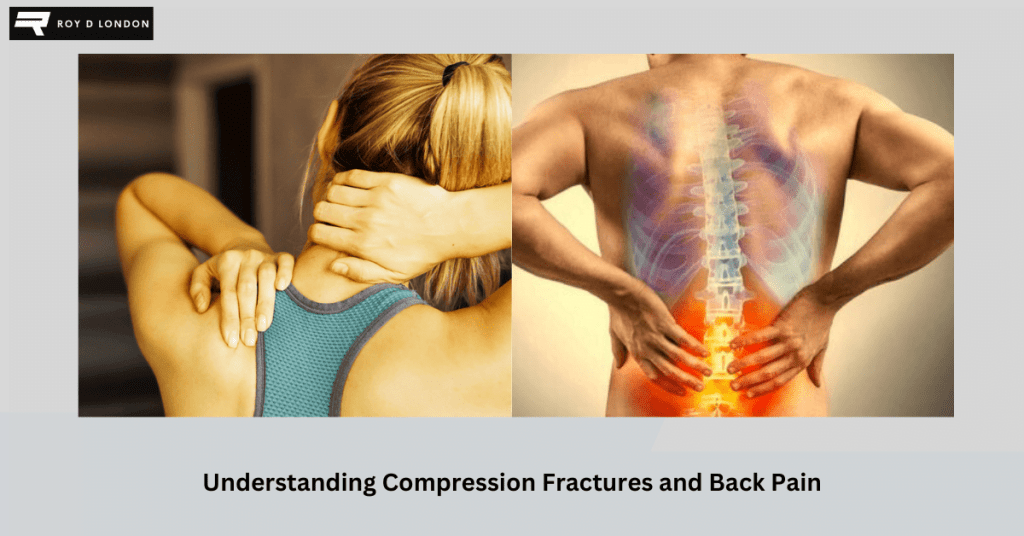
Compression fractures can cause excruciating back pain and significantly impact an individual’s daily life. Now, let’s delve into the details of compression fractures, their causes, symptoms, and the implications they have on daily activities and overall well-being.
What is Compression Fracture back pain?
Compression fractures occur when the vertebral bones in the spine collapse or fracture, resulting in back pain. These fractures are commonly caused by factors such as:
- Osteoporosis: A condition characterized by weakened bones, making them more susceptible to fractures.
- Trauma: Severe impact or injury to the spine can lead to compression fractures.
- Medical conditions: Some medical conditions, such as cancer or infections, can weaken the bones and increase the risk of fractures.
Symptoms of Compression Fractures
The symptoms of compression fractures may vary from person to person, but they often include:
- Severe back pain, which can be localized or radiate to other areas.
- Loss of height due to the collapse of vertebral bones.
- Limited mobility and difficulty performing daily tasks.
Impact on Daily Life
Compression fractures can have a profound impact on an individual’s daily life. The debilitating back pain can make it challenging to carry out simple activities, such as walking, bending, or lifting objects. The loss of height and limited mobility may require modifications to living spaces and mobility aids to maintain independence. The constant discomfort can also affect mental and emotional well-being, leading to anxiety, depression, or social isolation.
Understanding the causes, symptoms, and impact of compression fractures is crucial in developing effective management strategies. In the next section, we will explore non-surgical methods for relieving back pain associated with compression fractures.
Non-Surgical Management Strategies for Back Pain Relief
When it comes to managing back pain caused by compression fractures, non-surgical approaches are often the first line of treatment. These strategies aim to alleviate pain, improve mobility, and enhance overall well-being. Let’s explore some of the most effective non-surgical management techniques:
- Pain Medications: Both over-the-counter and prescription pain medications can provide relief for various types of back pain, including bone-on-bone, muscle, and nerve pain. These medications can help reduce inflammation, alleviate discomfort, and improve your daily functioning.
- Bed Rest: For acute back pain, short periods of bed rest may be recommended to allow the injured area to heal. However, prolonged bed rest should be avoided as it can lead to further bone loss and muscle weakness. It’s essential to strike a balance between rest and gentle activity.
- Back Bracing: Back bracing is a non-invasive method that provides external support to the spine, limiting motion and reducing pain. It can help stabilize the compression fracture, promote proper alignment, and alleviate discomfort. Your healthcare professional will guide you on the type and duration of back bracing that suits your condition.
- Physical Activity: Engaging in physical activity, tailored to your specific condition and guided by healthcare professionals, can play a crucial role in managing back pain. Regular exercise helps improve strength, flexibility, and overall fitness, ultimately leading to better pain management. Your healthcare provider can recommend appropriate exercises and activity modifications to suit your needs.

Remember: It’s essential to consult with your healthcare professional before starting any exercise or physical activity program to ensure that it is safe and suitable for your specific condition.
“Non-surgical management strategies, such as pain medications, bed rest, back bracing, and physical activity, can effectively relieve back pain associated with compression fractures and improve overall quality of life.”
Osteoporosis Treatment and Fracture Prevention
Osteoporosis is a common underlying cause of compression fractures. Therefore, effective management strategies should include the treatment of osteoporosis to prevent future fractures. Stabilizing bone density is crucial in reducing the risk of fractures. Bone-strengthening drugs, such as bisphosphonates, play a critical role in fracture prevention and overall management of osteoporosis.
Bisphosphonates work by slowing down bone loss and reducing the risk of fractures. They help restore normal bone turnover, stabilize bone density, and reduce the incidence of future compression fractures. With consistent use, these medications have proven to be effective in preventing fractures and improving bone health.
Types of Bisphosphonates for Osteoporosis Treatment
There are several types of bisphosphonates available for the treatment of osteoporosis:
- Alendronate (Fosamax)
- Risedronate (Actonel)
- Ibandronate (Boniva)
- Zoledronic acid (Reclast)
These medications are typically taken orally or administered through intravenous injections, depending on the specific type and dosage prescribed by healthcare professionals.
Benefits of Bisphosphonates for Fracture Prevention
Using bisphosphonates as part of an osteoporosis treatment plan can offer several benefits, including:
- Reducing the risk of fractures in the spine, hip, and other bones
- Preserving and stabilizing bone density
- Improving overall bone health and reducing the chances of future compression fractures
“Bisphosphonates are an essential component of osteoporosis treatment, contributing to fracture prevention and promoting bone strength and stability.” – Dr. Jane Thompson, Rheumatologist
It is important to note that bisphosphonates are most effective when used as part of a comprehensive treatment approach, which may also include lifestyle modifications, diet changes, and regular exercise to further support bone health.
| Bisphosphonate Medication | Administration | Dosage | Frequency |
|---|---|---|---|
| Alendronate (Fosamax) | Oral | 70 mg | Once weekly or once daily |
| Risedronate (Actonel) | Oral | 35 mg | Once weekly or once daily |
| Ibandronate (Boniva) | Oral or Intravenous (IV) | 150 mg (oral) or 3 mg (IV) | Once monthly (oral) or every 3 months (IV) |
| Zoledronic acid (Reclast) | Intravenous (IV) | 5 mg | Once yearly |
Interventional Procedures for Pain Relief and Fracture Stabilization
In cases where non-surgical management strategies fail to provide sufficient pain relief, interventional procedures offer effective options for both pain relief and fracture stabilization. Two commonly used procedures in this regard are vertebroplasty and kyphoplasty.
Vertebroplasty involves injecting a bone cement mixture directly into the fractured vertebrae, providing stability to the fracture and relieving pain. This procedure effectively strengthens the affected vertebra, preventing further collapse and reducing pain and discomfort.
Kyphoplasty, on the other hand, aims to correct the deformity of the fractured vertebra and alleviate pain by creating a cavity in the vertebra and injecting bone cement. By restoring the height and shape of the vertebra, kyphoplasty helps relieve pressure on the surrounding nerves and tissues, resulting in significant pain reduction.
Both vertebroplasty and kyphoplasty are minimally invasive procedures, meaning they can be performed with small incisions and minimal disruption to the surrounding tissues. These procedures are often performed under local anesthesia and are associated with shorter recovery times compared to traditional open surgeries.
In some cases, depending on the severity and location of the compression fracture, spinal fusion surgery may be recommended. Spinal fusion surgery aims to eliminate motion between vertebrae, providing long-term pain relief and promoting fracture stabilization.
To visualize the interventional procedures for pain relief and fracture stabilization, refer to the image below:

| Procedure | Description |
|---|---|
| Vertebroplasty | Injection of bone cement mixture into fractured vertebrae to stabilize the fracture and relieve pain. |
| Kyphoplasty | Creation of a cavity in the vertebra and injection of bone cement to correct deformity and alleviate pain. |
| Spinal Fusion Surgery | Elimination of motion between vertebrae to provide long-term pain relief and promote fracture stabilization. |
Recovery and Rehabilitation After Interventional Procedures
After undergoing interventional procedures for the management of compression fractures, a period of recovery and rehabilitation is necessary. The goal of this phase is to support the healing process, rebuild strength, improve mobility, and gradually increase activity levels. The specific recovery time can vary depending on the individual’s condition and the type of procedure performed.
During the recovery phase, it may be recommended to wear a back brace to provide additional support to the affected area. The back brace helps to stabilize the spine and promote proper alignment, aiding in the healing process. It is essential to follow the healthcare professional’s guidance on when and how to wear the back brace for optimal recovery.
Rehabilitation plays a crucial role in the recovery process. It typically involves a combination of physical therapy exercises, stretching, and strengthening activities. The rehabilitation program is tailored to the individual’s specific condition and may include exercises targeting the core muscles, balance, and flexibility. The main objective is to gradually increase the activity level, ensuring a safe and effective return to normal functioning.
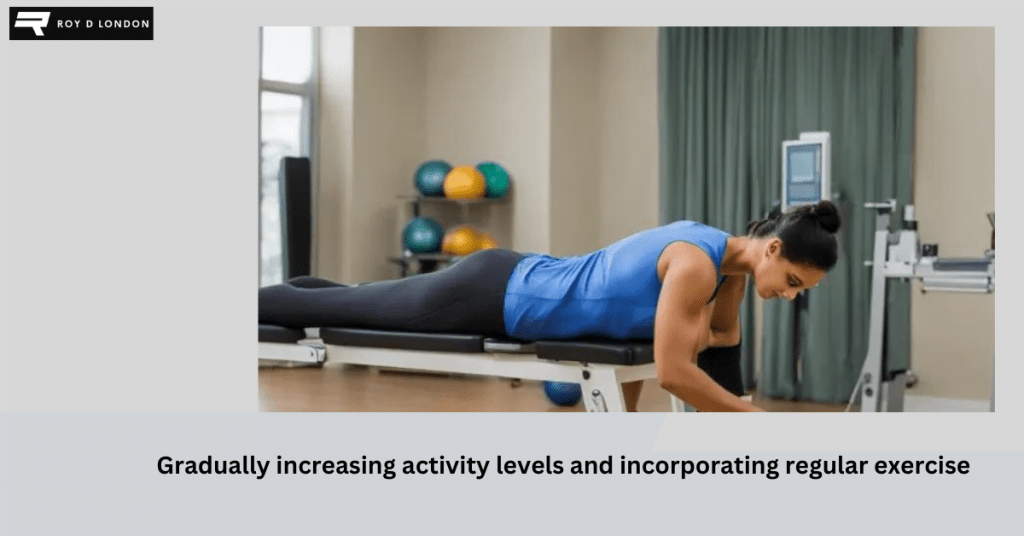
It is important to follow the healthcare professional’s instructions and adhere to the prescribed rehabilitation program. Gradually increasing activity levels and incorporating regular exercise can contribute to a faster and more successful recovery. However, it is crucial to avoid overexertion or engaging in activities that may strain the healing process.
Key Considerations during Recovery and Rehabilitation:
- Follow the healthcare professional’s guidance on wearing a back brace for optimal healing and support.
- Adhere to the prescribed rehabilitation program to rebuild strength, improve mobility, and increase activity levels.
- Avoid overexertion and activities that may strain the healing process.
- Regularly communicate with the healthcare professional to monitor progress and address any concerns.
Recovery and rehabilitation after interventional procedures are essential steps towards regaining function and achieving long-term pain relief. With proper care and dedication to the rehabilitation process, individuals can experience improved quality of life and a return to their daily activities.
Potential Drawbacks and Considerations
While interventional procedures can provide significant pain relief and stabilization, it is crucial to consider potential drawbacks and limitations. One such procedure is spinal fusion surgery, which involves joining two or more vertebrae together to limit movement and provide stability. However, this procedure comes with certain considerations that individuals should be aware of before making a decision.
Impact on Movement: Spinal fusion surgery eliminates the natural movement between fused vertebrae. While this can provide stability, it also restricts overall movement of the spine. This limitation can affect an individual’s ability to perform certain activities, such as bending, twisting, or reaching.
Stress on Adjacent Vertebrae: The fusion of vertebrae places additional stress on the adjacent vertebrae. This increased stress can potentially lead to degeneration or fracture in those areas, compromising the long-term health of the spine.
When considering spinal fusion surgery, it is essential to carefully weigh the potential benefits against these limitations. Consulting with a healthcare professional is crucial in understanding the individual risks, benefits, and alternatives for managing back pain and promoting spinal health.
Expert Insight:
“Spinal fusion surgery is a valuable treatment option for certain individuals with severe and debilitating back pain. However, it’s important to thoroughly understand the impact on movement and the potential stress on adjacent vertebrae. These considerations should be carefully weighed and discussed with a healthcare professional to make an informed decision.”
The Importance of a Comprehensive Approach
Managing back pain associated with compression fractures requires a comprehensive approach. At our clinic, we believe in the power of an individualized treatment plan that takes into account the unique needs and circumstances of each patient. By combining the expertise of multiple healthcare professionals and addressing the underlying causes of back pain, we strive to provide the most effective and tailored care.
Our multidisciplinary team consists of orthopedic specialists, pain management experts, physical therapists, and nutritionists who collaborate to develop a comprehensive treatment plan for each patient. This collaborative approach allows us to address both the immediate pain management needs and the long-term goals of fracture prevention and overall well-being.
One of the key elements of our comprehensive approach is addressing the underlying causes of back pain, such as osteoporosis. By identifying and treating conditions like osteoporosis, we aim to prevent future fractures and ensure the long-term health of our patients.
Pain management is another crucial aspect of our approach. We understand that managing pain is essential for improving quality of life and facilitating recovery. Our team utilizes a range of techniques, including medications, physical therapy, and alternative therapies, to provide effective pain relief and help patients regain their mobility and functionality.
To illustrate our comprehensive approach, here is a breakdown of our individualized treatment plan:
- Thorough evaluation and diagnosis:
Our team conducts a comprehensive evaluation of each patient, including a detailed medical history, physical examination, and imaging tests. This allows us to accurately diagnose the compression fracture and assess the severity of the condition.
- Collaborative treatment planning:
Based on the evaluation findings, our multidisciplinary team collaboratively develops an individualized treatment plan. This plan takes into account the patient’s specific needs, lifestyle, and goals.
- Effective pain management strategies:
We employ a range of pain management strategies tailored to each patient’s needs, including medications, physical therapy, therapeutic exercises, and other complementary approaches. Our goal is to alleviate pain and improve functioning.
- Fracture prevention strategies:
To prevent future fractures, we address underlying conditions like osteoporosis through appropriate medications, lifestyle modifications, and nutritional counseling. Additionally, we provide guidance on fall prevention and safe activities to minimize the risk of fractures.
- Regular follow-up and monitoring:
We believe in the importance of ongoing care and support. Our team regularly follows up with patients to monitor their progress, make any necessary adjustments to the treatment plan, and provide education and guidance for continued fracture prevention and pain management.
At our clinic, we understand the impact that back pain from compression fractures can have on an individual’s quality of life. Our comprehensive approach aims to provide the most effective and individualized care to help our patients not only manage their pain but also regain their independence and overall well-being.
Conclusion
In conclusion, managing back pain associated with compression fractures requires a comprehensive approach that combines non-surgical and interventional strategies. For milder cases, pain medications, activity modification, and back bracing can provide relief and support. However, for more severe pain, interventional procedures such as vertebroplasty and kyphoplasty may be necessary to stabilize the fracture and alleviate discomfort.
It is crucial to address underlying conditions like osteoporosis, as they can contribute to the development of compression fractures. By treating osteoporosis and prioritizing fracture prevention, individuals can reduce the risk of future fractures and improve their overall back pain management outcomes.
To effectively manage back pain associated with compression fractures, a comprehensive and individualized treatment plan should be implemented. This plan should include multidisciplinary care, incorporating healthcare professionals from different disciplines to address the complex nature of these fractures. By taking a holistic approach and tailoring treatment to each individual’s needs, better outcomes and an improved quality of life can be achieved.
FAQ
What is a compression fracture?
A compression fracture occurs when the vertebral bones in the spine collapse or fracture, leading to back pain.
What are the common causes of compression fractures?
Compression fractures are commonly caused by osteoporosis, trauma, or certain medical conditions.
What are the symptoms of compression fractures?
The symptoms of compression fractures include severe back pain, limited mobility, and loss of height.
What are the non-surgical management strategies for back pain relief?
Non-surgical management strategies may include pain medications, bed rest, back bracing, and physical activity.
How can pain medications help relieve back pain from compression fractures?
Pain medications, both over-the-counter and prescription, can help relieve bone-on-bone, muscle, and nerve pain.
Is bed rest recommended for managing back pain from compression fractures?
Bed rest may be recommended for a short period, but prolonged inactivity should be avoided as it can lead to further bone loss.
How does back bracing provide relief for compression fractures?
Back bracing provides external support to limit motion and reduce pain.
Can physical activity help with back pain relief?
Physical activity, tailored to each individual’s condition, can help improve strength, flexibility, and overall well-being.
What is the role of osteoporosis treatment in managing compression fractures?
Osteoporosis treatment, such as bone-strengthening drugs like bisphosphonates, can stabilize or restore bone density and prevent future fractures.
What are the interventional procedures for pain relief and fracture stabilization?
Two common procedures for pain relief and fracture stabilization are vertebroplasty and kyphoplasty. In some cases, spinal fusion surgery may be recommended.
How does vertebroplasty work?
Vertebroplasty involves injecting a bone cement mixture into the fractured vertebrae to stabilize the fracture.
What is the aim of kyphoplasty?
Kyphoplasty aims to correct the bone deformity and relieve pain by creating a cavity in the vertebra and injecting bone cement.
Is recovery and rehabilitation necessary after interventional procedures?
Yes, a period of recovery and rehabilitation is necessary, which may involve wearing a back brace and gradually increasing activity levels over time.
What are the potential drawbacks of spinal fusion surgery?
Spinal fusion surgery limits natural movement and puts additional stress on adjacent vertebrae, increasing the risk of fracture in those areas.
What is the importance of a comprehensive approach to back pain management?
A comprehensive approach includes individualized treatment plans, multidisciplinary care, addressing underlying causes, effective pain management strategies, and fracture prevention.
Source Links
- https://www.webmd.com/pain-management/spinal-compression-fractures-treatments
- https://www.ncbi.nlm.nih.gov/pmc/articles/PMC9577215/
- https://www.ncbi.nlm.nih.gov/pmc/articles/PMC5400164/
Navigate through the wonders of these articles I’ve thoughtfully picked out for you. The 5 Best Kangen Water System Alkaline Water Ionizers, 11 Best Exercise Bikes With Arm Workout. 75 Best Life-Changing Weight Loss Tips You Can Easily Start Today, Best Cellcore Parasite Cleanse Alternative For A Pure Body Detox,
How to Stop Painful Joints: Effective Solutions for Knee and Shoulder Pain. Best Compression Fracture Back Pain Management Strategies.
AFFILIATE / THIRD-PARTY LINKS
This post may contain affiliate links from programs and businesses whose products and services are of the best quality and standards, in my opinion, if you purchase through these links, I may receive a small commission at no cost to you.