Stay Active Without Knee Pain: Top Products to Buy for Relief


Have you ever experienced the frustration of wanting to stay active but being held back by knee pain? It can be incredibly disheartening and make you feel like you’re missing out on the things you love. I know exactly how it feels because I’ve been there.
For years, I struggled with knee pain that seemed to limit my every move. Whether it was going for a run, playing sports, or even just walking up the stairs, the pain was always there, reminding me of my limitations.
But I refused to let knee pain define me or hold me back from living an active lifestyle. I was determined to find a solution that would allow me to stay active without discomfort. And that’s when I discovered a range of incredible products that have been life-changing for me.
Today, I want to share with you some of the top products that have helped me and countless others find relief from knee pain. These products have made it possible for us to enjoy our favorite activities, stay fit, and live life to the fullest.
Key Takeaways to Stay Active Without Knee Pain:
- There are several off-the-shelf products that provide effective relief from knee pain.
- Consider switching to lower-impact workouts to reduce stress on your knees.
- Shoe inserts, knee braces, and compression sleeves can offer support and alleviate pain.
- Foam rolling and natural supplements may also help manage knee pain.
- Consult with healthcare professionals to determine the most suitable options for your specific condition.
Switch to Lower-Impact Workouts
If exercise seems to exacerbate your knee pain, it’s important not to give up on physical activity altogether. Instead, consider switching to lower-impact workouts that put less stress on your knees. By modifying your exercise routine, you can continue to stay active and maintain your fitness while minimizing discomfort.
Here are some examples of lower-impact exercises that can provide relief from knee pain:
- Cycling: Bike riding is a low-impact cardiovascular exercise that strengthens your leg muscles without putting excessive strain on your knees. Whether you prefer outdoor cycling or indoor stationary biking, it’s a great option for reducing knee pain.
- Elliptical Training: Using an elliptical machine provides a low-impact full-body workout that mimics the motion of running without the jarring impact. This exercise is gentle on your knees while still providing an effective cardiovascular workout.
- Walking on Unpaved Surfaces: Walking is a simple and accessible exercise that can be easily modified to be low-impact. Opt for walking on grass, gravel, or dirt paths instead of hard pavement to reduce the impact on your knees.
Remember, it’s important to listen to your body and pay attention to how your knee pain responds to different activities. Keeping a diary of your physical activity can help you identify which exercises aggravate your knee pain and which ones provide relief. By making adjustments to your workouts based on this feedback, you can minimize discomfort and continue to engage in physical activity.
“Switching to lower-impact workouts can be a game-changer for individuals with knee pain. By choosing exercises that are gentle on your knees, you can maintain your fitness and well-being without exacerbating your discomfort.”

Exercise Modifications to Consider
When transitioning to lower-impact workouts, it’s essential to modify your exercise routine to protect your knees. Here are some exercise modifications that can help alleviate knee pain:
| Exercise | Modification |
|---|---|
| Lunges | Replace traditional lunges with reverse lunges, step-ups, or stationary lunges with support. |
| Squats | Perform half squats or use a stability ball against a wall for support. |
| Jumping Exercises | Avoid high-impact jumping exercises like jump squats or box jumps. Instead, opt for low-impact alternatives like step-ups or stationary jumps. |
| Running | Replace running with lower-impact alternatives like jogging on a trampoline or using an elliptical machine. |
By making these exercise modifications, you can reduce the strain on your knees and minimize the risk of further aggravating your knee pain. Remember to always consult with a healthcare professional before starting any new exercise regimen or making modifications to ensure they are suitable for your specific condition.
The Power of Shoe Inserts
When it comes to finding relief from knee pain, shoe inserts can be a game-changer. These simple yet effective devices have been studied extensively and have shown promising results in providing pain relief for individuals suffering from knee pain. Specifically, one type of shoe insert that has gained attention is the lateral wedge insole.
Lateral wedge insoles are specially designed inserts that are placed inside the shoe to help correct alignment issues and reduce strain on the knee joint. They are thicker on the outer edge and gradually taper down to a thinner edge on the inner side, forming a “wedge” shape. This design helps shift the weight-bearing load away from the inner side of the knee, where it can be excessive, and redistributes it more evenly, reducing stress on the joint.
Several studies have demonstrated the effectiveness of lateral wedge insoles in providing relief for knee pain. For example, a systematic review and meta-analysis published in The Journal of Physical Therapy Science found that individuals with knee osteoarthritis experienced reduced pain and improved knee function when using lateral wedge insoles.
“Lateral wedge insoles have shown to be a valuable intervention for individuals suffering from knee pain, particularly those with knee osteoarthritis. By correcting alignment issues and reducing strain on the knee joint, these inserts provide a low-cost and accessible option for pain relief.”
– Dr. Sarah Thompson, Orthopedic Specialist
The Benefits of Shoe Inserts for Knee Pain Relief
Shoe inserts, such as lateral wedge insoles, offer several benefits for individuals seeking relief from knee pain:
- Alignment Correction: By modifying the alignment of the foot and redistributing the weight-bearing load, shoe inserts help correct alignment issues that contribute to knee pain.
- Reduced Strain: The design and cushioning of shoe inserts help reduce strain on the knee joint, minimizing the impact of everyday activities.
- Improved Stability: Shoe inserts provide added stability to the foot and ankle, which can help improve overall balance and reduce the risk of falls or further joint damage.
- Low-Cost Intervention: Compared to other treatment options, shoe inserts are a relatively affordable and easily accessible means of managing knee pain.
However, it’s important to note that while shoe inserts can be beneficial for many individuals, they may not provide the same level of pain relief for everyone. Each person’s condition may require a customized approach, and it’s essential to consult with a healthcare professional, such as a podiatrist or orthopedic specialist, for a comprehensive evaluation and recommendations tailored to your specific needs.
Discover the power of shoe inserts for knee pain relief today and take a step towards a more comfortable and active lifestyle.
| Types of Shoe Inserts | Description |
|---|---|
| Lateral Wedge Insoles | These shoe inserts have a wedge-shaped design, thicker on the outer edge and tapering down to a thinner inner edge. They help correct alignment issues and reduce strain on the knee joint. |
| Arch Support Insoles | These inserts provide additional arch support, helping to stabilize the foot and reduce excessive pronation or supination, which can contribute to knee pain. |
| Heel Cups | Heel cups provide cushioning and support to the heel, absorbing shock and reducing pressure on the knee joint during weight-bearing activities. |
| Full-Length Insoles | Full-length insoles cover the entire length of the shoe, providing comprehensive support and cushioning for the entire foot, including the arch, heel, and ball of the foot. |
| Custom-Made Orthotics | Custom-made orthotic inserts are designed specifically for an individual’s unique foot structure and needs, offering personalized support and alignment correction. |
When choosing shoe inserts, it’s important to consider your specific needs and consult with a healthcare professional to determine the most suitable option for your condition. Proper fitting, comfort, and durability are also essential factors to consider when selecting shoe inserts.

With the power of shoe inserts, you can take control of your knee pain and find the support you need to stay active and pain-free.
The Benefits of Knee Braces to Stay Active Without Knee Pain
Knee braces are a valuable tool for individuals seeking relief from knee pain. While they may not be effective for everyone, many people find that wearing knee braces provides support and alleviates discomfort. Knee braces can help stabilize the knee joint, reducing pain and improving overall function. This is especially beneficial for individuals with conditions like osteoarthritis, where joint stability is crucial.
Consulting with a healthcare professional is essential to determine if a knee brace is appropriate for your specific condition. They can provide guidance on the type of knee brace that would be most beneficial to meet your needs.
There are different types of knee braces available, each designed to target specific areas of the knee and provide varying levels of support. Understanding the different types of knee braces can help you make an informed decision about which one may be best for you.
- Knee supports: These knee braces offer mild support and compression, making them suitable for individuals with minor knee pain or mild instability. They are often made from elastic materials and can be easily worn under clothing.
- Hinged knee braces: These braces provide more stability and support than knee supports. They feature metal hinges on the sides to limit the movement of the knee joint and provide additional protection for individuals with ligament injuries or moderate instability.
- Unloader knee braces: Unloader braces are designed for individuals with conditions like osteoarthritis, where there is uneven pressure on the knee joint. These braces help to shift the weight away from the affected area, reducing pain and improving mobility.
- Patellar stabilizing braces: These braces are specifically designed to support and stabilize the patella (kneecap). They are often used by individuals with conditions such as patellar tracking disorder or patellar tendonitis.

Knee braces provide support and stability for individuals with knee pain, offering relief and improving overall function.
It’s important to remember that knee braces are not a cure for knee pain, but rather a tool for managing symptoms and supporting the joint. Additionally, proper fitting and wearing the brace as recommended by a healthcare professional are essential for optimal effectiveness.
If you are experiencing knee pain, consulting with a healthcare professional can help determine if a knee brace is the right solution for you. They can assess your condition and recommend the appropriate type and fit of knee brace to provide the relief and support you need.
Utilizing Compression Sleeves
Compression sleeves are a popular choice for individuals seeking relief from knee pain. These sleeves are designed to provide support and promote blood flow to the knee joint, offering numerous benefits for pain management and recovery. Here are some key reasons why compression sleeves are a valuable tool:
- Pain relief: Compression sleeves can help alleviate knee pain by providing gentle compression and support. This compression can help reduce inflammation and swelling, easing discomfort and improving mobility.
- Injury prevention: By stabilizing the knee joint, compression sleeves can help prevent injuries during physical activity. They offer additional support and protection, minimizing the risk of strain or overuse injuries.
- Improved circulation: The compression provided by these sleeves enhances blood flow to the knee, which can facilitate the delivery of oxygen and nutrients to the joint. This improved circulation can aid in the healing process and promote faster recovery.
- Enhanced performance: Compression sleeves can also have a positive impact on athletic performance. The increased blood flow and support they provide can help reduce muscle fatigue, allowing individuals to perform at their best for longer periods.
Compression sleeves are a versatile solution for knee pain relief, offering benefits for both everyday activities and physical exercise. The combination of support, pain relief, injury prevention, and enhanced circulation makes them a valuable asset in managing knee pain and promoting overall knee health.
Research has shown the effectiveness of compression sleeves in reducing knee pain and stabilizing the knee joint. In a study published in the Journal of Science and Medicine in Sport, participants who used compression sleeves experienced a significant reduction in pain levels compared to those who did not use any compression support. Another study published in the Journal of Orthopaedic Surgery and Research found that compression sleeves can improve knee stability and function.
If you’re considering using compression sleeves for knee pain relief, it’s important to choose the right size and fit. Proper sizing ensures optimal compression and support. Consult a healthcare professional or follow the manufacturer’s guidelines to find the most suitable compression sleeves for your needs.
| Pros | Cons |
|---|---|
| Provides pain relief and reduces inflammation | May be restrictive or uncomfortable for some individuals |
| Aids in injury prevention and promotes faster recovery | May not be suitable for certain medical conditions or injuries |
| Enhances blood circulation and oxygen delivery | Requires proper sizing for optimal effectiveness |
| Offers support and stability to the knee joint | May not be a standalone solution for severe knee conditions |
When used as part of a comprehensive approach to knee pain management, compression sleeves can be a valuable addition to your routine. Whether you’re recovering from an injury, managing chronic knee pain, or looking to enhance your athletic performance, compression sleeves offer a range of benefits for your knee health.
The Role of Foam Rolling
Foam rolling is a highly effective technique for knee or joint pain relief and offers several benefits for those seeking to alleviate discomfort. This self-massage technique involves using a cylindrical foam roller to apply pressure to different areas of the body, including the thighs and IT band, which can contribute to knee pain.
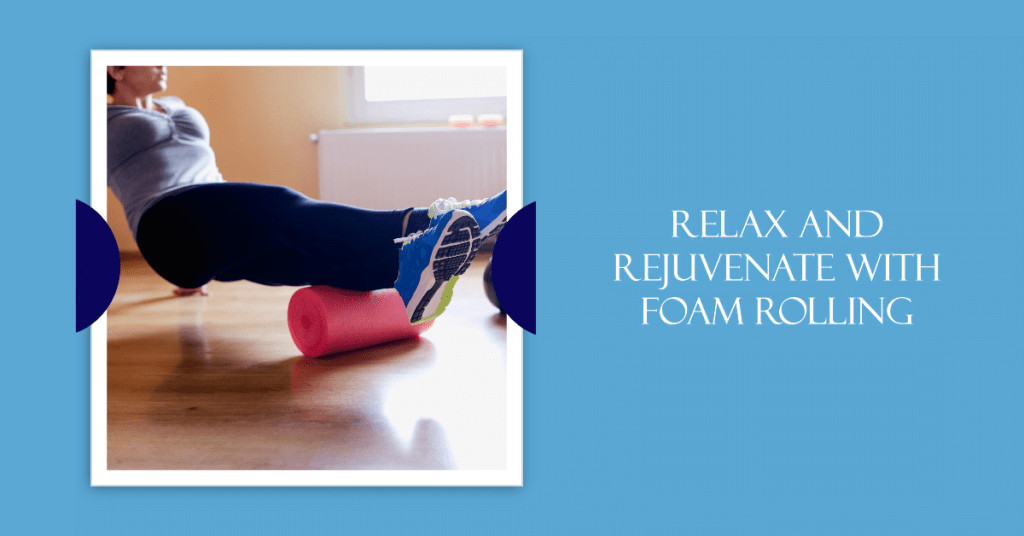
One of the significant benefits of foam rolling is its ability to reduce muscle soreness after exercise. By applying pressure to the targeted muscles, foam rolling can help release tension and promote better blood circulation, leading to faster muscle recovery and reduced soreness.
Foam rolling can also play a crucial role in addressing inflammation of the IT band, a common source of knee pain. The IT band, or iliotibial band, is a long tendon that runs along the outside of the thigh and can become tight and inflamed, causing discomfort in the knee. By regularly foam rolling the outside of the thighs, individuals can help alleviate knee discomfort and improve mobility.
Many individuals have reported positive results in relieving knee pain through the use of high-density foam rollers. These foam rollers are designed to provide a deep tissue massage, targeting specific areas of tension and promoting muscle relaxation. By incorporating foam rolling into a regular exercise or recovery routine, individuals can experience improved knee function and reduced pain.
Regular foam rolling can help reduce post-exercise muscle soreness and address inflammation of the IT band, providing effective knee pain relief.
Using foam rolling for knee pain relief:
- Select a high-density foam roller that suits your needs. There are various sizes and textures available, so choose one that feels comfortable to use and targets the affected areas.
- Position yourself on the foam roller, targeting the outside of your thighs or other areas of discomfort. Apply moderate pressure and slowly roll back and forth to massage the muscles.
- Focus on areas that feel tight or tender, spending extra time on these areas to help release tension and promote relaxation.
- Perform foam rolling exercises regularly, ideally before and after exercise or as part of a daily routine, to maximize its benefits in reducing knee pain and improving mobility.
It is important to note that while foam rolling can provide significant relief for many individuals, it may not be suitable for everyone. If you have an underlying condition or severe knee pain, it is recommended to consult with a healthcare professional before incorporating foam rolling into your routine.
| Benefits of Foam Rolling for Knee Pain Relief |
|---|
| Reduces post-exercise muscle soreness |
| Addresses inflammation of the IT band |
| Promotes muscle relaxation and improved mobility |
| Aids in relieving knee discomfort |
Exploring Disease-Modifying Medications
For individuals with inflammatory forms of arthritis, such as rheumatoid arthritis or psoriatic arthritis, disease-modifying medications can play a crucial role in pain relief. These medications help control the underlying disease process and reduce inflammation in the joints. Traditional disease-modifying antirheumatic drugs (DMARDs), biologics, and Janus kinase (JAK) inhibitors are commonly prescribed options.
DMARDs are a class of medications that work by suppressing the immune system’s abnormal response, which is responsible for the inflammation seen in inflammatory arthritis. They can slow the progression of joint damage, reduce pain and swelling, and improve overall function.
“Disease-modifying antirheumatic drugs can significantly improve the quality of life for individuals with inflammatory arthritis by reducing inflammation and slowing down joint damage progression.”
Biologics are another type of disease-modifying medication commonly used for knee pain relief. These medications are derived from living organisms and specifically target molecules in the immune system that contribute to inflammation. Biologics have shown to effectively reduce pain and swelling while improving overall joint function in individuals with inflammatory arthritis.
Janus kinase (JAK) inhibitors are a relatively newer class of disease-modifying medications that work by blocking the action of specific enzymes called Janus kinases, which are involved in the inflammatory process. JAK inhibitors have shown promising results in reducing pain and improving physical function in individuals with rheumatoid arthritis and psoriatic arthritis.
It’s important to note that disease-modifying medications for knee pain relief require a prescription from a healthcare professional. They are usually recommended for individuals who have significant joint inflammation and have not obtained sufficient relief from other treatments.
Benefits of Disease-Modifying Medications for Knee Pain Relief
Disease-modifying medications offer several benefits for individuals with inflammatory arthritis:
- Reduces joint inflammation and swelling
- Slows down the progression of joint damage
- Improves overall joint function and mobility
- Relieves pain and stiffness
- Helps prevent further complications and joint deformities
It’s important to discuss the potential benefits and risks of disease-modifying medications with a healthcare professional before starting any treatment. Each medication has its own set of side effects, and the decision to start disease-modifying medications should be made based on individual needs and preferences.
| Type of Disease-Modifying Medication | Examples |
|---|---|
| Traditional DMARDs | Methotrexate, sulfasalazine, hydroxychloroquine |
| Biologics | Adalimumab, etanercept, infliximab |
| Janus kinase (JAK) inhibitors | Tofacitinib, baricitinib, upadacitinib |
Discovering Oral Pain-Relieving Medications
When it comes to finding relief for knee pain, oral pain-relieving medications can be a valuable option to consider. These medications come in different forms and strengths, providing individuals with a range of choices to suit their specific needs. From over-the-counter options to prescription medications, there are various types of oral pain-relieving medications available.
Types of Oral Pain-Relieving Medications
1. Acetaminophen: Also known as Tylenol, acetaminophen is an over-the-counter medication that can help alleviate mild to moderate knee pain. It works by reducing pain signals in the brain and has anti-inflammatory properties.
2. Nonsteroidal Anti-Inflammatory Drugs (NSAIDs): NSAIDs such as ibuprofen (Advil, Motrin) and naproxen (Aleve) are commonly used for knee pain relief. These medications reduce pain and inflammation by inhibiting the production of inflammatory substances.
3. Prescription Medications: In more severe cases of knee pain, healthcare professionals may prescribe stronger pain-relieving medications. Two examples of prescription medications commonly used for knee pain relief are duloxetine (Cymbalta) and tramadol (Ultram). Duloxetine is an antidepressant that also helps relieve pain, while tramadol is a synthetic opioid that provides pain relief.
To determine the most suitable oral pain-relieving medication for your knee pain, it’s important to consult with a healthcare professional. They can assess your condition and recommend the appropriate medication based on your individual needs and medical history.
| Medication | Type | Strength | Usage |
|---|---|---|---|
| Acetaminophen | Over-the-counter | Varies | Mild to moderate knee pain relief |
| NSAIDs (Ibuprofen, Naproxen) | Over-the-counter | Varies | Mild to moderate knee pain relief, reduces inflammation |
| Duloxetine (Cymbalta) | Prescription | Varies | Severe knee pain relief, also used as an antidepressant |
| Tramadol (Ultram) | Prescription | Varies | Severe knee pain relief, synthetic opioid |
It’s important to follow the recommended dosage and usage instructions provided by your healthcare professional or the medication packaging. If you experience any adverse effects or have concerns about the medication, consult with your healthcare professional for guidance.
Be cautious when taking oral pain-relieving medications, especially prescription medications, as they may have potential side effects and interactions with other medications. Always consult with a healthcare professional for personalized advice.
Remember, oral pain-relieving medications are just one option for managing knee pain. It’s important to explore other techniques, such as exercise modifications and the use of supportive products, to find a comprehensive approach that works best for you.
In the next section, we will explore the benefits and considerations of natural supplements for knee pain relief.
Considering Natural Supplements

Natural supplements can be a valuable addition to your knee pain relief strategy. Several types of natural supplements have shown potential benefits in alleviating knee pain. However, it’s important to remember that every individual is unique, and what works for one person may not work for another. Consulting with a healthcare professional before starting any natural supplement regimen is essential to ensure safety and efficacy.
The Types of Natural Supplements for Knee Pain
Here are some of the natural supplements that have been associated with potential benefits for knee pain relief:
- Turmeric: Turmeric contains curcumin, which has anti-inflammatory properties and may help reduce knee pain.
- Cherry Juice Extract: Cherry juice extract is known for its anti-inflammatory properties and may aid in reducing knee pain and inflammation.
- Omega-3 Fatty Acids: Omega-3 fatty acids, found in fatty fish like salmon and mackerel, have anti-inflammatory effects and may help manage knee pain.
- Collagen: Collagen is a protein that provides structure to joints and may help improve joint health and alleviate knee pain.
- Chondroitin and Glucosamine: Chondroitin and glucosamine are substances naturally present in cartilage and may help reduce knee pain and improve joint function.
- Boswellia: Boswellia, also known as Indian frankincense, has anti-inflammatory properties and may provide relief from knee pain.
- CBD Oil: CBD oil derived from hemp plants may help reduce inflammation and alleviate knee pain.
While these natural supplements have shown promise in relieving knee pain, it’s important to note that the scientific evidence supporting their effectiveness varies. Additionally, the appropriate dosage and duration of use may differ for each supplement. Consulting with a healthcare professional will help ensure that you choose the right supplements and use them safely.
Keep in mind that natural supplements should not replace any prescribed medications or other treatments recommended by your healthcare provider. They should be used as a complementary approach to manage knee pain.
It’s also worth noting that using natural supplements alongside other lifestyle modifications, such as maintaining a healthy weight, adopting a balanced diet, and engaging in regular exercise, can optimize the overall management of knee pain.
Incorporating natural supplements into your knee pain relief routine may provide additional support in managing discomfort. However, it’s essential to consult with a healthcare professional before starting any new supplement, as they can guide you on the appropriate options and dosages based on your specific needs and medical history.
Conclusion
Knee pain can be incredibly challenging, affecting our ability to stay active and enjoy daily activities. However, there are various products and interventions available that can help manage and relieve discomfort, allowing us to continue an active lifestyle without knee pain.
By incorporating lower-impact workouts such as cycling, elliptical training, or walking on unpaved surfaces, we can reduce the stress on our knees while still staying physically active. Additionally, utilizing shoe inserts, knee braces, compression sleeves, and foam rollers can provide support, stability, and pain relief to the knee joint.
For those with inflammatory forms of arthritis, disease-modifying medications can be an effective solution to control the underlying disease process and reduce inflammation in the joints. Similarly, oral pain-relieving medications can provide relief for knee pain and reduce inflammation, helping us manage our discomfort.
Furthermore, natural supplements such as turmeric, cherry juice extract, omega-3 fatty acids, collagen, chondroitin and glucosamine, boswellia, and CBD oil have shown potential benefits for knee pain relief. However, it is crucial to consult with healthcare professionals to determine the most suitable options for our specific needs and ensure safety and efficacy.
FAQ
What are some top products to buy for knee pain relief?
Some top products to buy for knee pain relief include barefoot-style running shoes, posture corrective heel cups, knee braces, knee compression sleeves, and high-density foam rollers.
Are there lower-impact workouts that can help with knee pain relief?
Yes, lower-impact workouts such as cycling, elliptical training, and walking on unpaved surfaces can help reduce stress on the knees and alleviate knee pain.
Do shoe inserts provide pain relief for knee pain?
Yes, shoe inserts, particularly lateral wedge insoles, have been studied and found to provide pain relief by correcting alignment issues and reducing strain on the knee joint.
Can knee braces help with knee pain?
Yes, knee braces can provide support and stability for individuals with knee pain, particularly those with osteoarthritis. They can help reduce pain and improve joint stability.
What are the benefits of using knee compression sleeves?
Knee compression sleeves provide support, promote blood flow, reduce inflammation, and can help alleviate knee pain and stabilize the knee joint.
How can foam rolling help with knee pain relief?
Foam rolling can help reduce muscle soreness, address inflammation of the IT band, and improve knee mobility. It can be an effective tool for relieving knee pain when used on the outside of the thighs.
What are disease-modifying medications, and can they help with knee pain relief?
Disease-modifying medications, such as traditional DMARDs, biologics, and JAK inhibitors, can play a crucial role in relieving knee pain for individuals with inflammatory forms of arthritis like rheumatoid arthritis or psoriatic arthritis.
Are there oral pain-relieving medications that can help with knee pain?
Yes, there are various oral pain-relieving medications, including over-the-counter options like acetaminophen and NSAIDs, as well as prescription medications like duloxetine and tramadol, that can provide relief from knee pain and reduce inflammation.
Can natural supplements help with knee pain relief?
Yes, natural supplements such as turmeric, cherry juice extract, omega-3 fatty acids, collagen, chondroitin and glucosamine, boswellia, and CBD oil have shown potential benefits for knee pain relief. It’s important to consult with a healthcare professional before starting any supplement regimen.
What are some final thoughts on knee pain relief products?
Knee pain can be managed and relieved with a wide range of products, including exercise modifications, shoe inserts, knee braces, compression sleeves, foam rollers, medications, and natural supplements. It’s crucial to work closely with healthcare professionals to determine the most suitable options for each individual case.
Source Links
- https://www.prevention.com/health/a20511312/knee-pain-relief-products/
- https://utswmed.org/medblog/supplements-for-back-joint-muscle-pain/
- https://www.arthritis.org/health-wellness/healthy-living/managing-pain/pain-relief-solutions/finding-the-best-joint-pain-relief
Embrace the variety of perspectives in these thoughtfully chosen articles. Top Purchases Best Hip Pain Relief: for Comfort and Mobility. Back Pain Worsening? The Best Products to Reverse the Trend.
75 Best Life-Changing Weight Loss Tips You Can Easily Start Today, Best Cellcore Parasite Cleanse Alternative For A Pure Body Detox, The 5 Best Kangen Water System Alkaline Water Ionizers, 11 Best Exercise Bikes With Arm Workout.
How to Minimize Chronic Pain at Night: Tips for a Restful Sleep.
AFFILIATE / THIRD-PARTY LINKS
This post may contain affiliate links from programs and businesses whose products and services are of the best quality and standards, in my opinion, if you purchase through these links, I may receive a small commission at no cost to you.