A Historic Victory Harris Wins 2024 US Elections: What Comes Next?

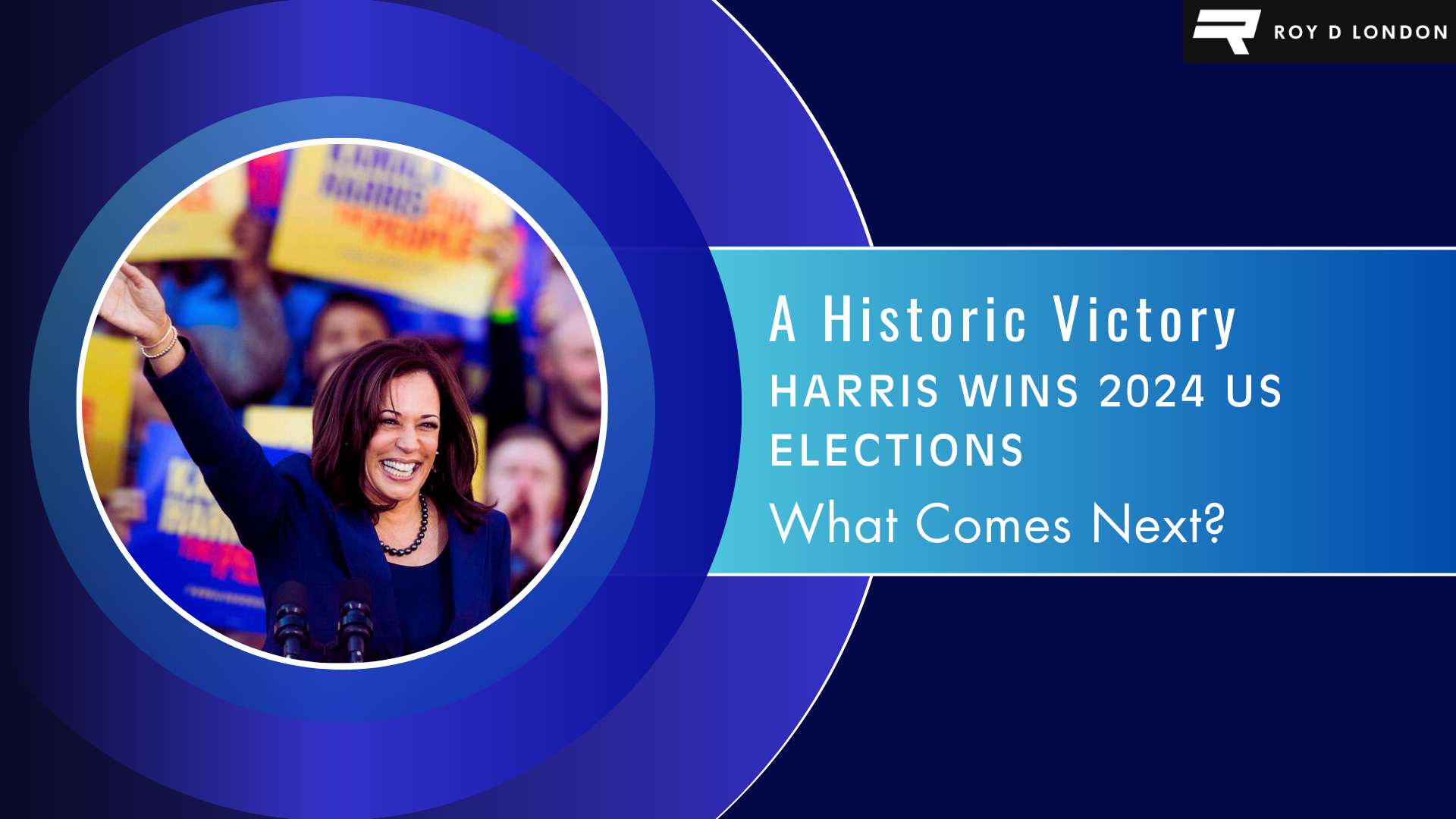
Harris Wins: Implications for America
The phrase “Harris Wins” signifies a historic moment for the United States, marking Kamala Harris as the first female president. Words such as leadership, diversity, policy reform, economic growth, and global diplomacy highlight the areas likely to be influenced by her presidency.
 By: Riley Beggin USA TODAY
WASHINGTON – If Democratic nominee Kamala Harris is elected president, she would soon be trying to broker deals with her former Capitol Hill colleagues.
Harris spent four years in the U.S. Senate representing California, the most populated state in the country. Former Senate colleagues and new House supporters told USA TODAY that while her time serving in Congress was short, she has strong relationships there that would be crucial to push her legislative agenda in a political environment where she’d just defeated Donald Trump but still can expect to face hard-line Republican opposition.
Harris’ star rose in the Senate as a lawmaker willing to flaunt her prosecutorial skills: She went viral in 2018 when she interrogated now-Supreme Court Justice Brett Kavanaugh during his confirmation hearings.
Then-President Trump said she was “extraordinarily nasty” at the time. And a soundbite of that exchange has become an often-cited piece of campaign fodder for Democrats running on abortion rights this cycle: Harris asking Kavanaugh whether he can name “any laws that give the government the power to make decisions about the male body.”
Harris returned to the Senate relatively frequently in the first two years of the Biden administration, when the chamber was evenly divided, casting the tie-breaking vote more often than any other vice president in American history.
Sign-up for Your Vote: Text with the USA TODAY elections team.
Since launching her presidential campaign this summer, she’s drafted a legion of House members as surrogates, drawing lawmakers into the fold who felt they were kept at an arm’s length by the Biden campaign and who hadn’t found Harris as easy to reach when she was a senator.
Harris has years of experience working with Senate Majority Leader Chuck Schumer of New York and also a longstanding relationship with House Minority Leader Hakeem Jeffries formed first through the Congressional Black Caucus. Jeffries, also a New Yorker, is well positioned to become House speaker if Democrats retake control of the chamber next year and remain as minority leader should the GOP come out victorious.

Even if Democrats win both chambers, Harris would still have some obstacles to accomplishing big things. Legislation would need to overcome the 60-vote threshold posed by opponents who threaten to use the Senate filibuster – though Harris has also said while on the campaign trail that she would support a historic change to the procedure that allow exceptions for key issues like abortion rights. If Republicans win either chamber, as they are expected to do in the Senate, she’ll have to broker deals to get substantive legislation passed and would likely face aggressive oversight from conservative lawmakers – as well as roadblocks in getting her appointees confirmed for Cabinet roles and to fill judicial vacancies.
Harris’ current boss, President Joe Biden, can be described as a creature of the Senate – and he certainly leveraged his decades-long career in the upper chamber while living in the White House. Harris’ allies say she would bring new perspectives and a fresh approach to dealing with Congress.
Senate allies
Some of Harris’ most reliable Democratic partners joined the Senate in 2017, the same year she did: Sens. Catherine Cortez Masto of Nevada, Tammy Duckworth of Illinois, and Maggie Hassan of New Hampshire.
Cortez Masto and Harris had an old friendship forged when they were both attorneys general. The pair sued the big banks in the wake of the 2008 financial crisis and won a $20 billion settlement.
“Then we just came to know one another, trust one another, like one another,” said Cortez Masto, who has been a regular surrogate for Harris on the campaign trail and who helped vet her potential vice presidential candidates.
Sen. Cory Booker, D-N.J., who Harris served with on the Judiciary Committee, is often cited as one of her closest allies on the Hill, as is Senate President Pro Tempore and Appropriations Committee Chair Patty Murray, D-Wash., Sen. Brian Schatz, D-Hawaii, and Sen. Chris Murphy, D-Conn.

Democratic Sen. Alex Padilla, who was California secretary of state while Harris was in the Senate and who replaced her when she became vice president, remains a good friend, as does Sen. Laphonza Butler, who was a policy adviser to Harris’ 2019 campaign but who will leave the chamber in November after declining to run for a full Senate term.
This is Why Harris Wins
A Harris victory would likely bring a renewed focus on diversity and inclusion, reflecting her commitment to social justice and equality. Her leadership could drive significant policy reforms in areas like healthcare, education, and criminal justice, aiming to create a more equitable society. Economic growth might be stimulated through investments in green energy and technology, aligning with her vision for a sustainable future. On the international stage, global diplomacy would be a priority, with efforts to strengthen alliances and address global challenges such as climate change and cybersecurity.
#harriswins