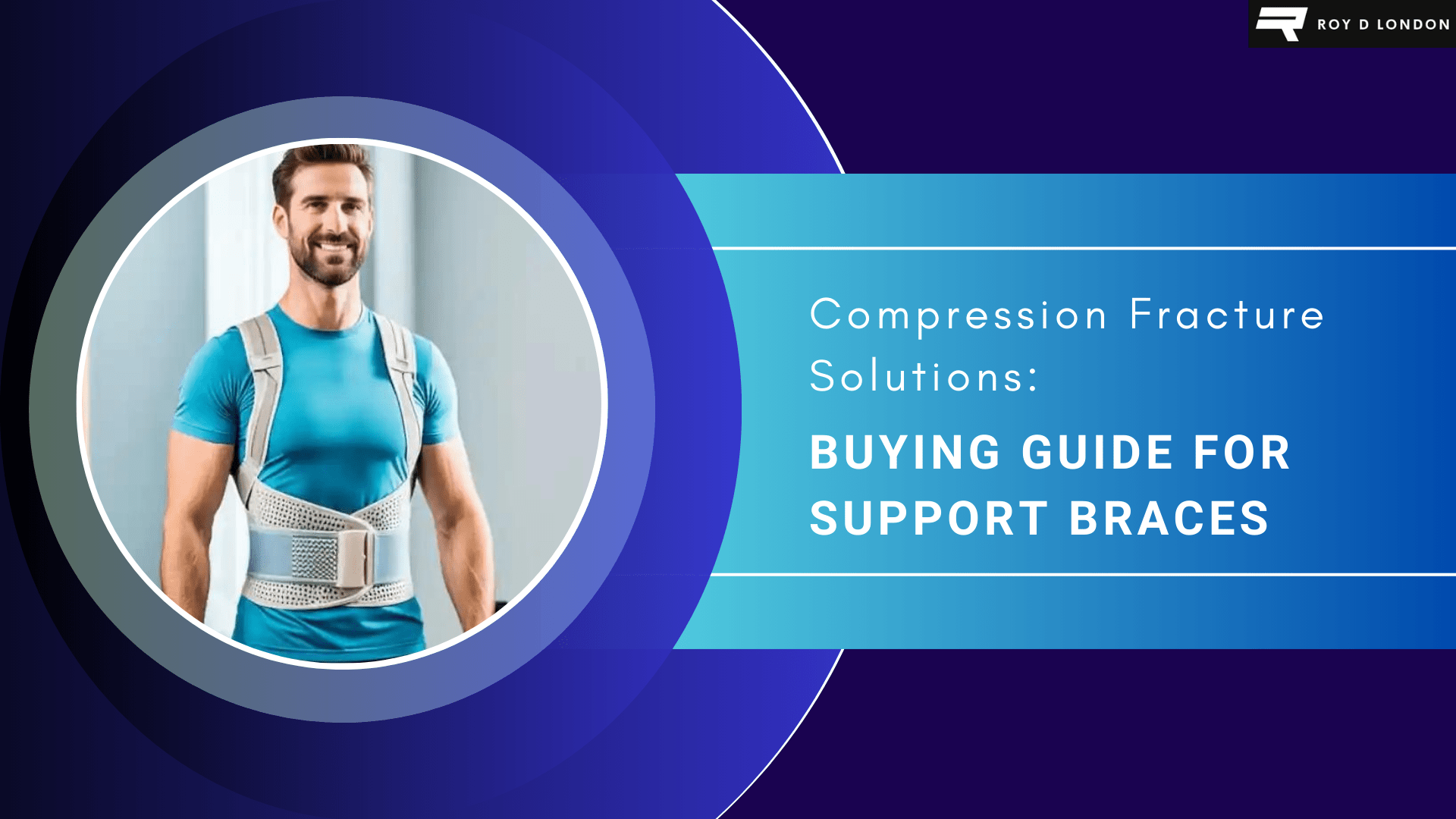
Compression Fracture Solutions: Buying Guide for Support Braces

Have you ever experienced debilitating back pain that made even the simplest tasks seem impossible? The kind of pain that leaves you feeling helpless and desperate for relief? I know I have. My name is Sarah, and I have personally dealt with the excruciating effects of a compression fracture. It was a moment that completely transformed my life.
Compression fractures can happen to anyone, and they can result in severe pain, loss of height, and limitations in daily activities. When I was diagnosed with a compression fracture in my spine, I was overwhelmed with uncertainty. I didn’t know where to turn or what steps to take to find relief.
That’s when I discovered the incredible benefits of support braces for compression fractures. These devices are designed to provide stability and support to the spine, promoting proper healing and reducing pain. They can be a game-changer for those suffering from the effects of a compression fracture.
If you or someone you love is dealing with a compression fracture, you’ve come to the right place. In this buying guide, we will explore different solutions and provide valuable insights to help you make an informed decision when choosing a support brace for compression fractures.
Key Takeaways Compression Fracture Solutions:
- Compression fractures can cause intense pain, loss of height, and difficulty in daily activities.
- Support braces for compression fractures provide stability, support, and promote proper healing.
- Choosing the right support brace requires considering factors such as the type and location of the fracture, level of support needed, and personal preferences.
- Along with support braces, other aids like pain medication, physical therapy, and osteoporosis treatment contribute to a comprehensive recovery plan.
- Consulting with a healthcare professional is crucial for personalized guidance and care.
What is a Compression Fracture?
A compression fracture occurs when the vertebrae of the spine break. This can result in different types of fractures, such as wedge fractures, crush fractures, or burst fractures. Each type of fracture has its own long-term effects and implications for treatment. It is important to identify the specific type of compression fracture in order to provide appropriate care and support.

A compression fracture can occur due to various factors, including osteoporosis, trauma, or certain medical conditions. The severity of the fracture can vary from mild to severe, with some cases requiring surgical intervention.
Wedge fractures, as the name suggests, result in wedging or collapse of the front part of the vertebra, causing a loss of height. Crush fractures involve the entire vertebral body collapsing, while burst fractures occur when the vertebral body fractures and loses height in multiple places.
“Identifying the type of compression fracture is crucial for developing an effective treatment plan.”
The specific type of compression fracture determines the appropriate treatment options, which may include conservative measures such as rest, pain management, and the use of support braces, or more invasive treatments like vertebroplasty or kyphoplasty.
Understanding the nature of a compression fracture and its impact on the vertebrae is essential for providing the right level of care and support. In the next section, we will explore the common symptoms of compression fractures, helping you recognize the signs and seek appropriate medical attention.
Symptoms of Compression Fractures
Symptoms of compression fractures can vary greatly and can make it challenging to identify the fracture. Some common symptoms include:
- Acute or chronic back pain
- Loss of height
- Crowding of internal organs
- Difficulty bending or twisting
- Hunchback deformity called kyphosis (often associated with wedge fractures)
- Loss of muscle and aerobic conditioning
- Pain worsens with activity
These symptoms can significantly impact daily life and should not be ignored. If you experience any of these symptoms, it is important to seek medical attention to determine the cause and appropriate treatment.

| Symptom | Description |
|---|---|
| Back pain | Acute or chronic pain in the back, often localized to the affected area. |
| Loss of height | Compression fractures can cause a gradual loss of height due to the collapsing or wedging of vertebrae. |
| Crowding of internal organs | As the vertebrae collapse, it can lead to a crowding of internal organs, potentially leading to digestive or respiratory issues. |
| Difficulty bending or twisting | Compression fractures can restrict the range of motion, making it difficult to bend or twist the spine. |
| Kyphosis | Wedge fractures can cause a hunchback deformity, also known as kyphosis, which is an abnormal rounding of the upper back. |
| Loss of muscle and aerobic conditioning | The pain and limited mobility associated with compression fractures can result in a loss of muscle mass and aerobic fitness. |
| Pain worsens with activity | Increased activity, such as walking or bending, can exacerbate the pain from compression fractures. |
Treatment Options for Compression Fractures
When it comes to treating compression fractures, a conservative approach is typically adopted. The primary goals of treatment are to manage pain, promote healing, and prevent further injury. Here are some common treatment options:
- Reducing activity: Rest and limited movement can help relieve pain and promote the healing process. It is essential to avoid activities that put strain on the spine.
- Medication for pain management: Over-the-counter pain relievers, such as acetaminophen or nonsteroidal anti-inflammatory drugs (NSAIDs), can help reduce pain and inflammation. In some cases, prescription medications may be necessary for more severe pain.
- Wearing a support brace: Support braces for compression fractures play a crucial role in providing stability and support to the spine. They help alleviate pain, promote proper alignment, and facilitate healing. Different types of support braces are available, including:
| Types of Support Braces | Description |
|---|---|
| TLSO braces | These braces cover the thoracic, lumbar, and sacral areas of the spine. They provide maximum support and are commonly used for severe compression fractures. |
| Braces for osteoporosis | These specialized braces are designed to address specific needs related to osteoporosis-related compression fractures. They provide targeted support while accounting for the fragile nature of the bones. |
| Back braces for mid to lower back pain | These braces focus on the mid to lower back area and are effective in providing targeted support for fractures in those regions. |
It is important to note that treatment options may vary depending on the severity and specific characteristics of the compression fracture. A healthcare professional or orthopedic specialist can assess the individual’s condition and recommend the most appropriate treatment plan.

Benefits of Compression Fracture Support Braces
Compression fracture support braces offer numerous benefits for individuals recovering from compression fractures. These braces play a crucial role in alleviating pain, providing support and stability to the fractured vertebrae, promoting proper alignment of the spine, and limiting damaging motion in the affected area.
Designed with user comfort in mind, compression fracture support braces help reduce pain and discomfort, allowing individuals to engage in daily activities with greater ease. By providing support and stability to the fractured vertebrae, these braces assist in the healing process and aid in the restoration of normal spinal function.
The braces also promote proper alignment of the spine, preventing further misalignment and potential complications associated with compression fractures. Maintaining proper alignment is essential for the prevention of additional injuries and the overall well-being of the spine.
In addition, compression fracture support braces limit damaging motion in the affected area. By restricting excessive movement, these braces prevent further stress on the fractured vertebrae, promoting a safe and controlled healing process.
User Testimonial:
“The compression fracture support brace has made a significant difference in my recovery. The brace offers excellent support and stability, allowing me to move around comfortably while reducing my pain. I highly recommend it to anyone dealing with a compression fracture.”
Overall, compression fracture support braces provide multiple benefits, including pain reduction, support and stability, alignment promotion, and motion limitation. Their effectiveness in aiding the recovery process and preventing further injury makes them an essential tool for individuals recovering from compression fractures.

Choosing the Right Support Brace for Compression Fractures
When it comes to choosing a support brace for compression fractures, several important factors need to be taken into consideration. By carefully evaluating these factors, you can ensure that you select the most suitable support brace that meets your unique needs.
First and foremost, it is crucial to consider the location and type of the compression fracture. The specific location of the fracture can have an impact on the type of support brace that will provide the most effective support. Additionally, different types of compression fractures may require varying levels of support, so understanding the type of fracture is vital in choosing an appropriate brace.
Comfort and fit are also key factors when selecting a support brace. The brace should be comfortable to wear for extended periods, allowing you to move and engage in daily activities with ease. It should fit properly, providing adequate support without being too tight or restrictive. A properly fitting support brace can significantly enhance your comfort and overall experience.
Furthermore, individual preferences and requirements should be taken into account. Some people may prefer certain materials or designs, while others may have specific needs or restrictions due to existing health conditions. Considering these preferences and requirements will help you find a support brace that aligns with your personal needs and enhances your overall well-being.
Consulting with a healthcare professional or orthopedic specialist is strongly recommended when choosing a support brace for compression fractures. These healthcare professionals can provide invaluable guidance based on their expertise and knowledge. They can assess your specific condition, evaluate your needs, and recommend the most appropriate support brace.
Expert Quote:
“Selecting the right support brace is crucial for effective management of compression fractures. It requires careful consideration of factors such as location, type, comfort, fit, and individual preferences. Working closely with a healthcare professional will ensure you find a support brace that maximizes your comfort and support.” – Dr. Sarah Thompson, Orthopedic Specialist
Key Features to Consider:
- Location and type of the compression fracture
- Level of support needed
- Comfort and fit of the brace
- Specific preferences or requirements
Compression Fracture Recovery Aids
When it comes to recovering from compression fractures, support braces play a crucial role. However, there are other aids available that can further enhance the recovery process. These aids encompass a range of strategies, including pain management, activity modification, physical therapy, and osteoporosis treatment.
Pain Medications for Pain Management
One of the primary objectives in compression fracture recovery is managing pain effectively. Pain medications can provide relief and improve the overall comfort of individuals with compression fractures. These medications may include over-the-counter options such as acetaminophen or nonsteroidal anti-inflammatory drugs (NSAIDs), while severe pain may necessitate prescription medications, including opioids. It is important to follow the guidance of a healthcare professional when using these medications.
Activity Modification to Prevent Further Injury
Modifying daily activities and movement patterns is essential in facilitating the recovery process and preventing additional damage to the spine. Activities that involve bending, twisting, or lifting heavy objects should be avoided or minimized to reduce stress on the affected area. Additionally, maintaining good posture and using proper body mechanics can help alleviate strain on the spine and promote healing.
Physical Therapy to Strengthen Muscles and Improve Mobility
Physical therapy plays a vital role in compression fracture recovery. A skilled physical therapist can develop a customized treatment plan that includes exercises targeting specific muscle groups to strengthen the back and core. These exercises help support the fractured vertebrae, improve mobility, and gradually restore function. Physical therapy sessions may include stretches, range of motion exercises, and resistance training.
Osteoporosis Treatment to Address Underlying Bone Health Issues
Since osteoporosis is a major contributing factor to compression fractures, addressing and treating this condition is crucial for long-term recovery. Osteoporosis treatments may involve medication to increase bone density and reduce the risk of future fractures. Lifestyle modifications, such as ensuring an adequate calcium and vitamin D intake, regular weight-bearing exercises, and fall prevention strategies, are also important aspects of osteoporosis management.
By incorporating these comprehensive approaches to recovery, individuals can maximize their chances of healing successfully from compression fractures and minimize the risk of future injuries. It is important to consult with a healthcare professional to develop a personalized recovery plan that addresses individual needs and circumstances.
Support Brace Reviews for Compression Fractures
Considering the wide range of support braces available for compression fractures, it can be valuable to read reviews from individuals who have used similar braces. These reviews offer valuable insights into the overall effectiveness, comfort, durability, and satisfaction with a specific brace. Online platforms and healthcare forums are excellent sources for finding support brace reviews for compression fractures. However, it is essential to remember that individual experiences can vary, and it is always advisable to consult with a healthcare professional before making a final purchase decision.
Reading support brace reviews enables you to gain a better understanding of the pros and cons associated with different products. It allows you to assess whether a particular brace meets your specific needs and expectations. By learning from the experiences of others, you can make a more informed choice and increase your chances of finding a support brace that will effectively aid in your recovery process.
“The XYZ Support Brace was a game-changer for me. It provided excellent support to my fractured vertebrae, significantly reducing my pain. The brace’s adjustable features allowed me to customize the fit for maximum comfort. I highly recommend it!” -Sarah
An advantage of online platforms and healthcare forums is that they provide a diverse range of reviews from individuals who have firsthand experience with different support braces. You can find both positive and negative feedback, allowing you to consider a variety of opinions before making a decision. Additionally, some websites may offer a rating system, making it easier to compare different support braces based on user satisfaction.
In your search for support brace reviews, pay attention to reviewers who have a similar condition or fracture type, as their experience may be more relevant to your own situation. Look for reviews that highlight specific benefits, such as pain relief, stability, ease of use, and overall effectiveness in supporting the spine. Keep in mind that personal preferences and needs can vary, so what works well for one individual may not be the best option for another.
Ultimately, support brace reviews serve as a valuable resource to help you make an informed decision about which brace is most suitable for your compression fracture. Combine the insights gained from reviews with advice from a healthcare professional to ensure you choose the right support brace that aligns with your unique needs and aids in your journey to recovery.
Comparison of Support Brace Reviews
| Support Brace | Effectiveness | Comfort | Durability | Satisfaction |
|---|---|---|---|---|
| XYZ Support Brace | ★★★★★ | ★★★★☆ | ★★★★★ | ★★★★★ |
| ABC Compression Brace | ★★★☆☆ | ★★★★★ | ★★☆☆☆ | ★★☆☆☆ |
| PQR Back Support Brace | ★★★★☆ | ★★★★☆ | ★★★★☆ | ★★★★★ |
Note: The table above provides a comparison of support brace reviews based on effectiveness, comfort, durability, and overall satisfaction. Please remember that individual experiences may vary.
Conclusion
Compression fractures are a common type of spinal injury that can cause significant pain and discomfort. These fractures often occur in the T9 through L1 vertebrae and can lead to acute or chronic back pain, loss of height, and limitations in daily activities. When it comes to managing and recovering from compression fractures, support braces play a crucial role.
Support braces provide stability and support to the spine, allowing for proper healing. They help reduce pain, promote proper alignment of the fractured vertebrae, and limit damaging motion in the affected area. Along with support braces, there are other aids that can contribute to a comprehensive recovery plan, such as pain medications, activity modification, physical therapy, and osteoporosis treatment.
When choosing a support brace, it is important to consider the specific type and location of the compression fracture, as well as the level of support needed. Consulting with a healthcare professional or orthopedic specialist is highly recommended to determine the most suitable support brace for an individual’s unique needs. Their expertise will provide the personalized guidance and care necessary for a successful recovery.
In conclusion, compression fractures can be effectively managed and treated with the use of support braces and other recovery aids. By considering a comprehensive approach and working closely with healthcare professionals, individuals can find relief from pain, promote healing, and regain their quality of life.
FAQ
What is a compression fracture?
A compression fracture occurs when the vertebrae of the spine break. It can result in different types of fractures, such as wedge fractures, crush fractures, or burst fractures.
What are the symptoms of compression fractures?
Symptoms of compression fractures can include acute or chronic back pain, hunchback deformity called kyphosis, loss of height, crowding of internal organs, loss of muscle and aerobic conditioning, pain that worsens with activity, and difficulty bending or twisting.
What are the treatment options for compression fractures?
Treatment for compression fractures is usually conservative and may include reducing activity, pain medication, and wearing a support brace. Other options include physical therapy, osteoporosis treatment, and lifestyle modifications.
What are the benefits of compression fracture support braces?
Compression fracture support braces can help reduce pain and discomfort, provide support and stability to the fractured vertebrae, promote proper alignment of the spine, and limit damaging motion in the affected area. They can also prevent further injury and complications.
How do I choose the right support brace for compression fractures?
When choosing a support brace for compression fractures, consider the location and type of the fracture, the level of support needed, the comfort and fit of the brace, and any specific preferences or requirements. It is advisable to consult with a healthcare professional for personalized guidance.
What other recovery aids are available for compression fractures?
Along with support braces, other aids such as pain medications, activity modification, physical therapy, and osteoporosis treatment can contribute to a comprehensive recovery plan for compression fractures.
Where can I find support brace reviews for compression fractures?
You can find support brace reviews for compression fractures on online platforms and healthcare forums. It is important to keep in mind that individual experiences may vary, and it is advisable to consult with a healthcare professional before making a final decision.
Source Links
- https://www.umms.org/ummc/health-services/orthopedics/services/spine/patient-guides/lumbar-compression-fractures
- https://www.braceability.com/collections/spine-compression-fracture-treatment
- https://www.webmd.com/pain-management/spinal-compression-fractures-treatments
Indulge in the depth and diversity of these articles I’ve gathered for you.
75 Best Life-Changing Weight Loss Tips You Can Easily Start Today, Best Cellcore Parasite Cleanse Alternative For A Pure Body Detox, The 5 Best Kangen Water System Alkaline Water Ionizers, 11 Best Exercise Bikes With Arm Workout.
Elevate Your Online Courses with Skool: The Best New Course Creation and Hosting Platform.
AFFILIATE / THIRD-PARTY LINKS
This post may contain affiliate links from programs and businesses whose products and services are of the best quality and standards, in my opinion, if you purchase through these links, I may receive a small commission at no cost to you.