Best Strategies to Overcome Debilitating Back Pain


Welcome to our guide on the best strategies to overcome debilitating back pain. We know how frustrating and debilitating chronic back pain can be, as many of us have experienced it firsthand. The constant ache, limited mobility, and impact on daily life can take a toll on both our physical and emotional well-being.
But here’s the good news: there are effective ways to manage and relieve back pain naturally. Whether you’re looking for back pain relief, natural remedies, or back pain management techniques, we’ve got you covered.
Throughout this article, we will explore the common causes of chronic back pain and provide valuable insights into nonsurgical treatment options. From physical therapy and exercise to mindfulness and meditation, we’ll dive into the strategies that can help you find relief and regain control of your life.
So, let’s embark on this journey together, as we navigate the world of back pain and discover the strategies that can pave the way to a pain-free and fulfilling life.
Key Takeaways for The Best Strategies to Overcome Debilitating Back Pain:
- Chronic back pain can significantly impact quality of life.
- Understanding the common causes of back pain is crucial for effective management.
- Nonsurgical treatments, such as physical therapy and lifestyle modifications, can provide relief.
- Maintaining good posture and staying active are key elements of back pain management.
- Seeking medical attention when necessary is important to address underlying issues.
Common Causes of Chronic Back Pain
Chronic back pain can be caused by various factors, including age-related conditions and injuries. It’s important to understand the common causes behind this debilitating condition to effectively address and manage the pain. The most frequently encountered causes of chronic back pain include:
- Arthritis of the spine
- Spinal stenosis
- Disk problems (such as herniated or bulging disks)
- Myofascial pain syndrome
Arthritis of the spine refers to the inflammation and degeneration of the joints in the spine, leading to pain and stiffness. Spinal stenosis is characterized by the narrowing of the spinal canal, which can cause nerve compression and subsequent pain. Disk problems, such as herniated or bulging disks, occur when the spinal disks rupture or protrude, resulting in pressure on the nerves. Myofascial pain syndrome involves the development of trigger points in the muscles, leading to localized pain and discomfort.
In some cases, the exact cause of chronic back pain may be difficult to pinpoint. That’s why it’s important to seek a second opinion from a back pain specialist who can conduct a thorough evaluation to identify the specific source of the pain. By understanding the underlying cause, you can explore appropriate non-invasive treatment options that target the root of the problem.
Nonsurgical Treatments for Chronic Back Pain
Nonsurgical treatments are often the first line of defense against chronic back pain. These treatment options aim to alleviate pain, improve function, and enhance overall quality of life. They can be effective in managing chronic back pain without the need for invasive procedures or surgeries.
Physical Therapy
Physical therapy plays a crucial role in the treatment of chronic back pain. A skilled physical therapist can design a tailored program that includes various exercises and techniques to improve strength, flexibility, and mobility. Common physical therapy techniques for back pain include:
- Core strengthening exercises to stabilize the spine and support proper alignment.
- Stretching exercises to improve flexibility and reduce muscle tightness.
- Postural retraining to correct imbalances and promote better posture.
- Aerobic exercises to increase overall fitness and promote healthy circulation.
Working closely with a physical therapist can help individuals develop a comprehensive exercise routine that suits their specific needs and addresses the underlying causes of their back pain.
Mindfulness and Meditation
Managing chronic back pain involves not only addressing the physical symptoms but also addressing the emotional and psychological aspects of pain. Mindfulness and meditation practices can help individuals develop a greater sense of awareness and acceptance of their pain, reducing stress and enhancing overall well-being.
Practicing mindfulness involves focusing attention on the present moment without judgment. This can be done through various techniques, such as deep breathing exercises, body scans, and guided meditation. By cultivating mindfulness, individuals can learn to observe their pain without becoming overwhelmed by it, reducing anxiety and promoting relaxation.
Diet Change and Lifestyle Modifications
Adopting a healthy lifestyle and making dietary changes can have a positive impact on chronic back pain. A balanced diet rich in nutrients can support overall health and reduce inflammation, which may contribute to back pain. Avoiding processed foods, sugary drinks, and excessive alcohol consumption can also help manage pain and promote overall well-being.
Lifestyle modifications, such as maintaining a healthy weight, practicing good posture, avoiding excessive sitting or standing, and getting regular exercise, can further contribute to pain management. Additionally, eliminating harmful habits like smoking can improve circulation and reduce the risk of complications.
Injection-Based Treatments
For individuals with severe or persistent pain, injection-based treatments may be recommended. These treatments involve the injection of medications directly into the affected area to provide targeted pain relief. Common injection-based treatments for chronic back pain include:
- Epidural steroid injections: These injections deliver anti-inflammatory medications into the epidural space surrounding the spinal nerves, reducing pain and inflammation.
- Facet joint injections: These injections target specific joints in the spine to alleviate pain and improve mobility.
- Sacroiliac joint injections: These injections target the sacroiliac joints, which connect the spine to the pelvis, to relieve pain and inflammation.
The specific type of injection-based treatment recommended will depend on the individual’s condition and symptoms. These treatments are typically performed by pain management specialists or interventional radiologists.
Alternative Treatments and Pharmacologic Treatments
In addition to the aforementioned treatments, alternative therapies and pharmacologic treatments may be utilized to manage chronic back pain. Alternative treatments such as acupuncture, chiropractic care, massage therapy, and herbal remedies have shown promise in providing relief for some individuals. Pharmacologic treatments, including nonsteroidal anti-inflammatory drugs (NSAIDs), muscle relaxants, and antidepressants, may be prescribed to alleviate pain and improve function.
It is important to note that the effectiveness of alternative and pharmacologic treatments can vary from person to person. Consulting with healthcare professionals and discussing individual needs and preferences can help determine the most suitable treatment options.

The Importance of Movement and Exercise
Maintaining an active lifestyle is crucial for managing chronic back pain. By incorporating movement exercises into your routine, you can strengthen your spine and improve overall mobility. Two key forms of exercise that can benefit individuals with chronic back pain are walking and working with a physical therapist.
Walking: Walking is a low-impact exercise that promotes cardiovascular health and strengthens the muscles that support your back. It is a simple yet effective way to increase your activity levels and improve your overall fitness. Start with shorter walks and gradually increase your distance and intensity as your back pain allows. Remember to maintain proper posture while walking, keeping your head up, shoulders back, and core engaged.
Working with a Physical Therapist: A physical therapist specializes in developing customized exercise programs to address specific symptoms and conditions. They can create a personalized plan tailored to your needs and gradually introduce exercises that target your back pain. These exercises may include stretching, core strengthening, and postural exercises that help improve your flexibility, stability, and overall spine health. Working with a physical therapist ensures that you engage in safe and effective exercises that can alleviate your back pain and prevent further complications.
It is important to overcome the fear of movement and continue to stay active despite the pain. Movement exercises and working with a physical therapist can help you manage your back pain, improve your function, and enhance your quality of life.
Benefits of Movement and Exercise for Chronic Back Pain:
- Strengthening the muscles that support the spine
- Improving flexibility and range of motion
- Enhancing cardiovascular health
- Reducing inflammation and promoting healing
- Relieving muscle tension and improving posture
- Boosting mood and reducing stress
Regular movement exercise and physical therapy are integral components of a comprehensive treatment plan for chronic back pain. Consult with a healthcare professional to determine the most suitable exercises for your specific condition.
Practicing Good Posture
Poor posture can contribute to back pain, especially when sitting or standing for long periods. Maintaining good posture is essential for promoting spinal alignment and reducing strain on the back. Here are some tips to help you practice good posture in different situations:
Sitting Posture
When sitting, it’s important to sit upright with your shoulders relaxed. Use a chair that provides adequate support for your lower back. If your chair doesn’t offer lumbar support, you can place a pillow or a rolled-up towel behind your lower back for extra support.
Standing Posture
When standing, keep your feet shoulder-width apart to maintain stability. Tuck in your stomach and roll your shoulders back to align the spine. Avoid slouching or putting excessive weight on one leg. Distribute your weight evenly on both feet.
Sleep Posture
During sleep, it’s important to maintain a comfortable sleep posture that supports the natural alignment of the spine. Sleeping on your side with a pillow between your knees can help alleviate strain on your back. If you prefer sleeping on your back, place a pillow under your knees to reduce pressure on the lower back. Avoid sleeping on your stomach as it can strain the neck and contribute to back pain.
By practicing good posture throughout the day and night, you can reduce the risk of developing back pain and promote a healthy spine.

Relaxation Techniques
Chronic back pain is often associated with stress and tension. The physical and emotional toll that back pain takes on our bodies can be overwhelming. Fortunately, there are various relaxation techniques that can help alleviate muscle tension, improve mood, and promote overall relaxation, allowing us to find relief from back pain.
Massages
Massages are not only a luxurious treat but also an effective method for reducing back pain. By targeting specific muscle groups, massages can help relax tense muscles, improve blood circulation, and release endorphins, which are natural pain-relieving hormones. Different types of massages, such as Swedish massage, deep tissue massage, and sports massage, cater to individual preferences and therapeutic needs.
Acupuncture
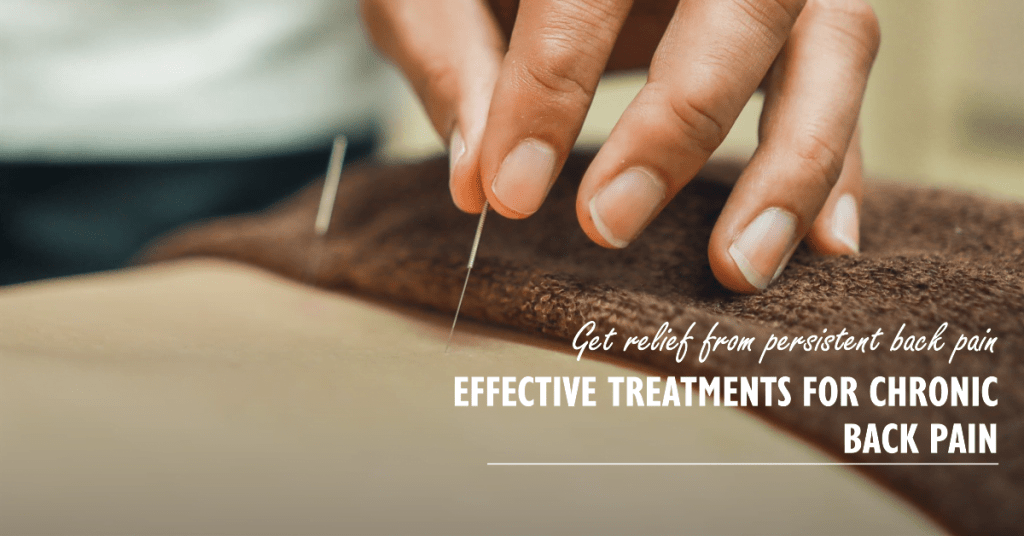
Acupuncture is a traditional Chinese medicine technique that involves inserting thin needles into specific points on the body. This practice aims to rebalance the body’s energy flow, known as Qi, to promote healing and pain relief. Acupuncture has been recognized as a complementary therapy for managing chronic back pain and has shown promising results in reducing pain intensity and improving overall well-being.
Yoga
Yoga is a mind-body practice that combines physical postures, breath control, and meditation. The gentle stretching and strengthening exercises in yoga can improve flexibility, increase blood flow, and enhance muscle tone, all of which contribute to the management of back pain. Certain yoga poses, such as child’s pose, cat-cow, and downward dog, specifically target the back and can provide relief from discomfort.
Meditation
Meditation is a practice that involves focusing the mind and cultivating a sense of inner calm and peace. By engaging in meditation regularly, we can reduce stress and anxiety, both of which can worsen back pain. Meditation techniques, such as mindfulness meditation or guided imagery, encourage us to be present in the moment, directing our attention away from pain and promoting a sense of relaxation and well-being.
Mindfulness
Mindfulness involves paying attention to the present moment without judgment. By practicing mindfulness, we can become more aware of our body sensations, thoughts, and emotions related to back pain. This heightened awareness allows us to respond to pain with greater self-compassion and equanimity. Engaging in mindfulness activities, such as deep breathing exercises, body scans, or mindful walking, can help reduce pain intensity and improve overall quality of life.
Overall, incorporating relaxation techniques into our daily routine can play a significant role in managing chronic back pain. Whether it’s through massages, acupuncture, yoga, meditation, or mindfulness, these practices offer holistic approaches to address both the physical and emotional aspects of back pain. By prioritizing self-care and finding ways to relax, we can alleviate muscle tension, reduce stress, and enhance our overall well-being.

Seeking Medical Attention
If you’ve been experiencing back pain for more than four weeks or if it has become a long-term issue that interferes with your daily activities, it’s essential to seek medical attention. Consulting with a healthcare professional can help identify the underlying cause of your pain and provide appropriate treatments.
Doctors are trained to evaluate and diagnose back pain, taking into account your medical history, symptoms, and physical examinations. They may also order additional tests, such as X-rays or MRI scans, to get a clearer picture of the condition.
Immediate medical attention should be sought if you experience accompanying symptoms such as tingling, numbness, or weakness in the legs. These symptoms may indicate nerve compression or damage that requires prompt intervention.
“If you’ve been experiencing back pain for more than four weeks or if it has become a long-term issue that interferes with your daily activities, it’s essential to seek medical attention.”
The guidance of a healthcare professional is particularly important if your pain is impacting your ability to perform daily activities. They can provide you with strategies to manage your pain and recommend appropriate treatments, which may include physical therapy, medication, or referral to a specialist.
Remember, early intervention and proper medical care can play a crucial role in preventing further complications and improving your overall well-being.
Key Takeaways:
- Seek medical attention if back pain persists for more than four weeks or interferes with daily activities.
- Medical professionals can identify the underlying cause and recommend appropriate treatments.
- Immediate medical attention is necessary if there are accompanying symptoms such as tingling, numbness, or weakness in the legs.
- Early intervention can prevent further complications and improve overall well-being.
Avoiding Bed Rest
Contrary to previous beliefs, bed rest is not recommended for back pain. Studies have shown that prolonged bed rest can actually slow down recovery and increase pain. Staying active, within the limits of pain tolerance, is crucial for faster recovery and effective management of back pain. It is important to strike a balance between rest and movement, gradually increasing activity levels as pain subsides.
| Myth | Reality |
|---|---|
| Bed rest promotes faster recovery. | Prolonged bed rest can actually slow down recovery and increase pain. |
| Resting in bed is the best way to manage back pain. | Staying active, within pain tolerance, is crucial for faster recovery and effective pain management. |
| Complete rest is necessary to reduce pain. | Striking a balance between rest and movement is important for managing pain and promoting recovery. |
“Staying active, within the limits of pain tolerance, is crucial for faster recovery and effective management of back pain.”
caption: Image depicting a person lying on a bed, symbolizing the misconception of bed rest as the solution for back pain.
Maintaining a Positive Sleep Environment
Creating an optimal sleep environment is essential for managing back pain. A comfortable mattress that provides adequate support is key. Sleeping on the side or back, with proper pillow support, can alleviate strain on the back and promote better sleep quality. Avoiding sleeping on the stomach, as it can lead to neck pain, is also recommended.
Having a comfortable mattress is crucial for a good night’s sleep and back pain management. Here are some factors to consider when choosing a mattress:
| Key Considerations | Features |
|---|---|
| Firmness | Provides proper spinal alignment and support for different sleep positions. |
| Material | Memory foam, latex, or hybrid mattresses offer varying degrees of support and pressure relief. |
| Edge support | Provides stability and prevents sagging, ensuring full use of the mattress surface. |
| Motion isolation | Reduces disturbance from a partner’s movements for an undisturbed sleep. |
| Breathability | Allows air circulation to prevent overheating during sleep. |
When it comes to sleep positions, here are some tips to relieve back pain:
- Sleeping on your side: Place a pillow between your knees to maintain proper spinal alignment and reduce strain on the lower back.
- Sleeping on your back: Use a pillow to support the natural curve of your neck and a small rolled towel under your lower back for added support.
Avoid sleeping on your stomach as it can exaggerate the curve of your lower back and strain the neck. This position can lead to discomfort and additional pain.
“Choosing a comfortable mattress and adopting the right sleep positions play a crucial role in managing back pain and promoting quality sleep.”
Conclusion
Chronic back pain can have a significant impact on your quality of life, but there are effective strategies to overcome this debilitating condition. By understanding the common causes of back pain and exploring nonsurgical treatment options such as physical therapy, exercise, relaxation techniques, and medication, you can find relief and improve your overall function.
Maintaining good posture is essential in managing back pain as it helps alleviate strain on the back and reduce discomfort. Additionally, staying active and incorporating regular exercise into your routine can strengthen the spine and improve mobility. Remember to seek medical attention when necessary, especially if your pain persists or interferes with your daily activities.
In summary, managing chronic back pain requires a multifaceted approach. Incorporating these strategies into your daily life can help you reclaim your comfort and mobility. Take charge of your back pain today and regain control over your well-being.
FAQ
What are the common causes of chronic back pain?
The common causes of chronic back pain include arthritis of the spine, spinal stenosis, disk problems (such as herniated or bulging disks), and myofascial pain syndrome. In some cases, the exact cause may be difficult to pinpoint, and seeking a second opinion from a back pain specialist can help identify the source of the pain.
What are the nonsurgical treatments for chronic back pain?
Nonsurgical treatments for chronic back pain include physical therapy, exercise, mindfulness and meditation, diet changes, lifestyle modifications, injection-based treatments, alternative treatments (such as acupuncture and massage), and pharmacologic treatments (including anti-inflammatories and muscle relaxants).
How important is movement and exercise for managing back pain?
Maintaining an active lifestyle is crucial for managing chronic back pain. Movement exercises, such as walking and working with a physical therapist, can help strengthen the spine and improve overall mobility. Physical therapists can provide individualized exercise programs tailored to specific symptoms and conditions, ensuring that each person engages in safe and effective exercises.
What are some tips for practicing good posture?
Practicing good posture involves sitting upright with shoulders relaxed and using a pillow or rolled towel for lower back support. While standing, keeping the feet shoulder-width apart, tucking in the stomach, and rolling the shoulders back can promote proper alignment. Sleeping in a comfortable position, such as on the side with a pillow between the knees, can also help alleviate back pain.
What relaxation techniques can help alleviate back pain?
Relaxation techniques such as massages, acupuncture, yoga, and meditation can help alleviate muscle tension, improve mood, and promote relaxation. These practices can be effective in managing both the physical and emotional aspects of chronic back pain.
When should I seek medical attention for back pain?
If back pain persists for more than four weeks or becomes a long-term issue that interferes with daily activities, it is important to seek medical attention. Doctors can identify the underlying cause of the pain and recommend appropriate treatments. Immediate medical attention should also be sought if there are accompanying symptoms such as tingling, numbness, or weakness in the legs.
Is bed rest recommended for back pain?
No, bed rest is not recommended for back pain. Studies have shown that prolonged bed rest can actually slow down recovery and increase pain. Staying active, within the limits of pain tolerance, is crucial for faster recovery and effective management of back pain.
How can I create a positive sleep environment for managing back pain?
Creating a positive sleep environment involves using a comfortable mattress that provides adequate support. Sleeping on the side or back, with proper pillow support, can alleviate strain on the back and promote better sleep quality. Avoiding sleeping on the stomach, as it can lead to neck pain, is also recommended.
Source Links
- https://www.webmd.com/back-pain/features/6-back-pain-tips
- https://www.webmd.com/pain-management/ss/slideshow-relieving-back-pain
- https://www.hopkinsmedicine.org/health/conditions-and-diseases/back-pain/7-ways-to-treat-chronic-back-pain-without-surgery
Here are some articles that stand at the intersection of compelling and enlightening. 75 Best Life-Changing Weight Loss Tips You Can Easily Start Today, Best Cellcore Parasite Cleanse Alternative For A Pure Body Detox, The 5 Best Kangen Water System Alkaline Water Ionizers, 11 Best Exercise Bikes With Arm Workout.How to Minimize Chronic Pain at Night: Tips for a Restful Sleep.
AFFILIATE / THIRD-PARTY LINKS
This post may contain affiliate links from programs and businesses whose products and services are of the best quality and standards, in my opinion, if you purchase through these links, I may receive a small commission at no cost to you.