Best Approaches When Back Surgery Doesn’t Provide Relief


Have you ever experienced the frustration of persistent back pain, despite undergoing surgery? If so, you’re not alone. I’ve been there too, and I understand how disheartening it can be to go through the physical and emotional challenges of back surgery, only to find that the pain remains.
Back pain is a common problem that affects millions of people worldwide. It can impact every aspect of your life, from work to relationships to simple everyday activities. Back surgery is often seen as a solution, a ray of hope to finally regain a pain-free life. But what happens when surgery doesn’t provide the relief we long for?
This article is for those, like us, who have experienced the disappointment of unsuccessful back surgery. We’ll explore alternative treatments, non-surgical solutions, and approaches to managing unresponsive back surgery. Together, let’s discover the best approaches to finding relief and improving our quality of life.
Key Takeaways for When Back Surgery Doesn’t Provide Relief:
- Back surgery may not always provide the desired relief for persistent pain.
- Alternative treatments and non-surgical approaches play a crucial role in managing back pain after failed surgery.
- Failed Back Surgery Syndrome (FBSS) is a common condition that requires alternative solutions.
- Accurate identification of the source of pain is essential to the success of any surgical procedure.
- Understanding the potential complications and risks of back surgery is important when considering treatment options.
Understanding the Risks of Spine Surgery
Like any surgical procedure, back surgery carries certain risks. It’s important to be aware of these risks and consider them when deciding on treatment options for managing back pain after unsuccessful surgery.
Complications can range from paralysis and spinal infection, although the mortality rate for spinal surgeries is relatively low. According to studies, the complication rate for spinal surgeries is around 7.6%, and the mortality rate is approximately 0.13%.
“Back surgery carries certain risks, but the chances of complications or mortality are relatively low.”
While these risks are relatively low, it’s crucial to understand that each individual case is unique and may have specific risk factors. Consulting with a healthcare professional is essential for assessing the risks and considering the best options after failed back surgery.
Options After Failed Back Surgery
When back surgery doesn’t provide the desired relief, there are still various options to consider for managing persistent back pain after surgery:
- Non-Surgical Treatments: Non-surgical alternatives such as physical therapy, chiropractic care, acupuncture, and medication management can be effective in relieving back pain and promoting recovery. These treatments focus on reducing inflammation, improving mobility, and strengthening the muscles surrounding the spine.
- Minimally Invasive Procedures: Minimally invasive spine surgeries are an option for individuals who have experienced failed back surgery. These procedures use smaller incisions, reducing trauma to the surrounding tissues, and resulting in quicker recovery times. Examples of minimally invasive procedures include endoscopic discectomy and spinal cord stimulation.
- Additional Surgeries: In some cases, a second or revision surgery may be necessary, especially if the initial surgery failed to address the underlying issue. However, it’s important to note that subsequent surgeries may have lower success rates compared to the initial procedure.
Treating Persistent Back Pain After Surgery
When dealing with persistent back pain following unsuccessful surgery, there is no one-size-fits-all approach. The treatment plan should be tailored to the individual’s specific condition and needs. Implementing a multimodal approach that combines non-surgical treatments, minimally invasive procedures, and additional surgeries, if necessary, can help address the persistent back pain and improve overall quality of life.
Recovering from failed back surgery requires a comprehensive and personalized approach, guided by healthcare professionals, to manage pain effectively and promote healing.
| Treatment Options | Benefits | Potential Risks |
|---|---|---|
| Non-Surgical Treatments | – Reduced inflammation – Improved mobility – Strengthened muscles around the spine | – Limited effectiveness for certain conditions – Potential side effects from medication |
| Minimally Invasive Procedures | – Smaller incisions and reduced trauma – Quicker recovery times – Targeted treatment for specific issues | – Not suitable for all conditions – Potential for complications or nerve damage |
| Additional Surgeries | – Addressing underlying issues – Potential for improved pain relief | – Lower success rates compared to initial surgery – Increased risk of complications |
Failed Back Surgery Syndrome: A Common Condition
Failed back surgery syndrome (FBSS) is a medical condition that refers to continued pain in the back, neck, or limbs following a surgery intended to alleviate pain. It is estimated that 20 to 40% of back surgeries result in FBSS. The success rate for subsequent back surgeries decreases significantly, with only 30% of second back surgeries being successful. This highlights the importance of exploring non-invasive methods and alternative treatments for managing post-operative pain and addressing the underlying causes of failed back surgery.
Non-Invasive Methods for Failed Back Surgery
When dealing with failed back surgery syndrome, non-invasive methods offer effective alternatives to invasive procedures. These approaches prioritize minimal disruption to the body while targeting the root cause of pain. Physical therapy, chiropractic care, acupuncture, and pain management techniques such as nerve blocks and spinal cord stimulation can provide significant relief for post-operative back pain without the need for additional surgeries.
Effective Treatments for Post-Operative Back Pain
Post-operative back pain can be effectively managed with various treatments tailored to the individual’s specific condition. These treatments may include medication, physical therapy exercises, specialized stretching routines, heat and cold therapy, and ergonomic adjustments to daily activities. Additionally, alternative therapies such as massage, meditation, and yoga can further enhance pain management and promote overall well-being.
Strategies for Failed Back Surgery Syndrome
Treating failed back surgery syndrome requires a comprehensive approach that encompasses various strategies. These may include addressing any residual structural issues through minimally invasive procedures, strengthening the surrounding musculature through targeted exercises, managing pain through medication and alternative therapies, and incorporating lifestyle modifications such as maintaining a healthy weight, adopting proper posture and body mechanics, and avoiding activities that exacerbate pain. By employing a combination of these strategies, patients can optimize their chances of finding relief and improving their quality of life.

Challenges in Identifying the Source of Pain
One common reason why back surgery may fail to provide relief is the difficulty in accurately identifying the source of the pain before the procedure. Back surgery can only address specific issues such as decompressing a pinched nerve root or stabilizing a painful joint. If the selected surgery does not target the precise source of the patient’s pain, it is unlikely to be successful.
This emphasizes the importance of considering appropriate non-surgical measures before resorting to surgery in order to avoid the cost and potential risks of an ineffective procedure. By exploring non-surgical options, such as physical therapy, chiropractic care, and pain management techniques, patients can alleviate chronic back pain and potentially avoid the need for surgery altogether.
“Before resorting to surgery, it’s important to exhaust all non-surgical measures. Surgery should be considered as a last resort due to the potential risks and complications involved. Non-surgical treatments can provide effective pain relief and improve overall back health.”
Non-Surgical Measures Before Surgery
When faced with chronic back pain, it is recommended to first explore non-surgical alternatives before considering surgery. These non-invasive measures can include:
- Physical therapy: Targeted exercises and stretches can help strengthen the back muscles and improve flexibility, providing relief from chronic pain and reducing the need for surgery.
- Chiropractic care: Manual adjustments and spinal manipulations performed by a qualified chiropractor can help realign the spine, alleviate pain, and improve overall spinal health.
- Pain management techniques: Non-surgical pain management treatments such as medication, injections, and nerve blocks can effectively relieve chronic back pain and improve quality of life.
- Alternative therapies: Techniques such as acupuncture, massage therapy, and yoga may also provide pain relief and promote relaxation, helping to alleviate back pain without the need for surgical intervention.
By exploring these non-surgical measures, patients increase their chances of finding effective relief for chronic back pain, potentially avoiding the cost and potential complications associated with ineffective surgeries.
When conservative approaches fail to provide relief, surgery may be considered as a viable option. However, it is crucial to accurately diagnose the source of pain and ensure that the chosen surgical procedure directly targets the underlying cause. By carefully considering non-surgical measures before resorting to surgery, patients can avoid the cost of ineffective procedures and optimize their chances of finding lasting pain relief.
Potential Complications of Back Surgery
While back surgeries are generally considered safe, it is important to be aware of the potential complications that can arise. Understanding these risks can help you make an informed decision about your treatment options and ensure that you are well-prepared for the journey ahead.
Common Complications of Back Surgery
Back surgery, like any other surgery, carries certain risks. Some of the common complications associated with back surgery include:
- Deep Vein Thrombosis (DVT): This is a condition where blood clots form in the deep veins of the legs. It is crucial to be vigilant about preventing DVT, as it can lead to serious complications if left untreated.
- Dural Tear: A dural tear is a small tear in the protective covering of the spinal cord and nerve roots. It can cause cerebrospinal fluid leakage, which may require further treatment.
- Lung Issues: Postoperative lung complications, such as pneumonia or atelectasis (partial lung collapse), can occur after back surgery. Respiratory exercises and early mobilization can help reduce the risk of these complications.
- Infection: Surgical site infections can occur after back surgery, leading to pain, swelling, and fever. Proper wound care and adherence to postoperative instructions can minimize the risk of infection.
- Hardware Malfunction: In some cases, the hardware used during back surgery (such as screws, plates, or rods) may malfunction or become loose. Further surgery may be required to correct these issues.
- Continued Pain: Back surgery may not always provide complete pain relief. Some patients may experience persistent or recurrent pain, requiring additional treatments or alternative approaches.
- Sexual Dysfunction: Back surgery, especially procedures that involve the lumbar spine, can sometimes lead to sexual dysfunction. This can include difficulties with sexual function or changes in sexual sensation.
- Transitional Syndrome: Transitional syndrome refers to pain or instability in the segment of the spine adjacent to the surgically treated area. Physical therapy and targeted exercises can help manage this condition.
- Pseudoarthrosis: Pseudoarthrosis is a condition where the bone fails to fuse properly after spinal fusion surgery. It can result in continued pain and may require revision surgery to achieve successful fusion.
It is important to discuss these potential complications with your healthcare provider before undergoing back surgery. They will be able to provide you with detailed information, address any concerns you may have, and help you make an informed decision about your treatment.

As with any surgical procedure, it is crucial to weigh the potential benefits against the risks before deciding to undergo back surgery. By understanding the potential complications and discussing them with your healthcare provider, you can make an informed choice and consider alternative treatments if necessary.
Minimally Invasive Spine Surgery as an Alternative
Minimally invasive spine surgery (MIS) is a conservative approach that uses small incisions, microscopic video cameras, and guiding instruments to minimize trauma to the surgery site. This type of surgery can be an effective alternative for patients who have experienced failed back surgery. Success rates for MIS procedures, such as transforaminal lumbar interbody fusion and posterior lumbar interbody fusion, range from 60 to 95%. Additionally, MIS offers benefits such as quicker recovery time, smaller incisions, and reduced post-operative pain.
Herniated Disc Surgery Options and Success Rates
Herniated discs are a common cause of back pain, and in some cases, surgery may be necessary. It’s important to understand the success rates of herniated disc surgery and the options available.
The success rate for herniated lumbar disc surgery is estimated to be around 78.9%, indicating that the majority of patients experience relief from their symptoms. Cervical disc surgery, on the other hand, boasts an impressive success rate of up to 94%, highlighting its effectiveness in treating this specific area of the spine.
When it comes to surgical options, two commonly performed procedures for herniated discs are microdiscectomy and discectomy.
- Microdiscectomy: This minimally invasive procedure involves removing the herniated portion of the disc while preserving the healthy disc tissue. Microdiscectomy aims to alleviate nerve compression and restore normal function. It is often performed with the assistance of a microscope or specialized tools to provide enhanced precision and better visual clarity.
- Discectomy: In cases where the herniated disc is severely damaged or other conservative treatments have failed, a discectomy may be considered. This procedure involves the removal of the entire disc, providing relief by eliminating the source of compression on the spinal nerves. After disc removal, the vertebrae may be fused together to stabilize the spine and maintain its integrity.
While surgical interventions can yield positive outcomes, it’s essential to consider conservative treatment options before deciding on surgery. Conservative approaches such as physical therapy, medication, and targeted exercises can often help manage herniated disc symptoms and improve quality of life without the need for invasive procedures.
Conservative Treatment for Herniated Discs
Conservative treatment methods for herniated discs may include:
- Physical therapy: A trained therapist can guide you through exercises that strengthen the surrounding muscles, improve flexibility, and promote proper posture to alleviate pressure on the discs.
- Medication: Nonsteroidal anti-inflammatory drugs (NSAIDs), muscle relaxants, and corticosteroid injections may be prescribed to reduce pain and inflammation.
- Hot and cold therapy: Alternating between heat and cold packs can help reduce pain and inflammation in the affected area.
- Lifestyle modifications: Maintaining a healthy weight, practicing proper body mechanics, and avoiding activities that exacerbate symptoms can all contribute to symptom relief.
It’s important to consult with a healthcare professional to determine the most appropriate course of treatment for your specific situation. They will be able to assess the severity of your herniated disc and recommend the best approach to alleviate your symptoms and improve your overall spinal health.

Spinal Fusion Surgery for Pain Relief
Spinal fusion surgery is a procedure that aims to alleviate back pain by joining two vertebrae together using a bone graft. This surgical intervention provides stability to the spine and promotes long-term pain relief. When other conservative treatments have proven ineffective, spinal fusion surgery can be a viable option for managing chronic back pain.
There are different types of spinal fusion surgeries, each tailored to address specific conditions and restore spinal function. Two commonly performed types of spinal fusion surgeries include:
- Posterolateral fusion: This technique involves fusing the vertebrae from the back of the spine. It is often used to stabilize the spine in conditions such as degenerative disc disease and spondylolisthesis. Posterolateral fusion can provide significant pain relief and improve spinal stability.
- Interbody fusion: This procedure involves removing the intervertebral disc and replacing it with a bone graft or implant. Interbody fusion can help restore disc height and alleviate pain caused by conditions such as herniated discs and spinal stenosis. It offers a more direct approach to addressing disc-related issues.
The success rate of spinal fusion surgery varies depending on the underlying condition and the specific technique used. Research suggests that the success rate can range from 60 to 95%, highlighting the effectiveness of this surgical intervention in providing long-term pain relief and improved quality of life for patients.
Here is a comparative table detailing the success rates of different spinal fusion surgeries:
| Spinal Fusion Surgery | Success Rate |
|---|---|
| Posterolateral fusion | 60-80% |
| Interbody fusion | 80-95% |
Spinal fusion surgery is a significant undertaking, and it is important to consider the potential risks and benefits. Your healthcare provider can help assess whether spinal fusion surgery is the right option for you based on your specific condition and medical history. By understanding the different types of spinal fusion surgeries and their success rates, you can make an informed decision about your treatment and potential pain relief.
Asking the Right Questions When Considering Surgery
When considering back surgery as a treatment option, it is essential to ask the right questions and have a clear understanding of the potential benefits and risks. Making an informed decision is crucial to ensure the best outcome and successful recovery.
“Are there any other options we should explore before considering surgery?”
It is important to discuss with your healthcare provider if there are any alternative treatments, such as physical therapy, medication, or lifestyle modifications, that can be attempted before resorting to surgery. Exploring all the available options can provide valuable insights into the most appropriate course of action to take.
“Is surgery the last resort for my condition?”
Understanding if surgery is truly the last resort is fundamental in the decision-making process. Your healthcare provider can help determine if other treatments have been exhausted, and if surgery remains the best option to achieve the desired quality of life.
“What improvement can I expect after the surgery?”
Gaining clarity on the expected outcomes of the surgery is essential. It allows you to set realistic expectations and prepare mentally and emotionally for the recovery process. Your healthcare provider can provide insights into the potential improvements in pain relief, mobility, and overall well-being.
“What is the recovery period and what restrictions will I have during recovery?”
Understanding the recovery period and the necessary restrictions is crucial for planning your post-operative care. It allows you to make arrangements for work, assistance, and any modifications needed to facilitate healing. This information will help you create a conducive environment for a successful recovery.
“Will I need physical therapy after the surgery, and what does the therapy regimen entail?”
Physical therapy is often a vital component of the recovery process after back surgery. Understanding if it will be required and what the therapy regimen entails can help you prepare mentally and physically. Discuss with your healthcare provider the specific exercises, timeline, and objectives of the physical therapy program.
By asking these important questions, you can gain a comprehensive understanding of the surgery, minimize uncertainties, and effectively prepare for a successful recovery. Remember, surgery should always be considered as a last resort, and exploring alternative treatments and non-surgical options is crucial in managing back pain and promoting overall well-being.
Role of Physical Therapy in Back Pain Management
Physical therapy plays a crucial role not only in the recovery after back surgery but also in preventing back injuries and maintaining overall back health.
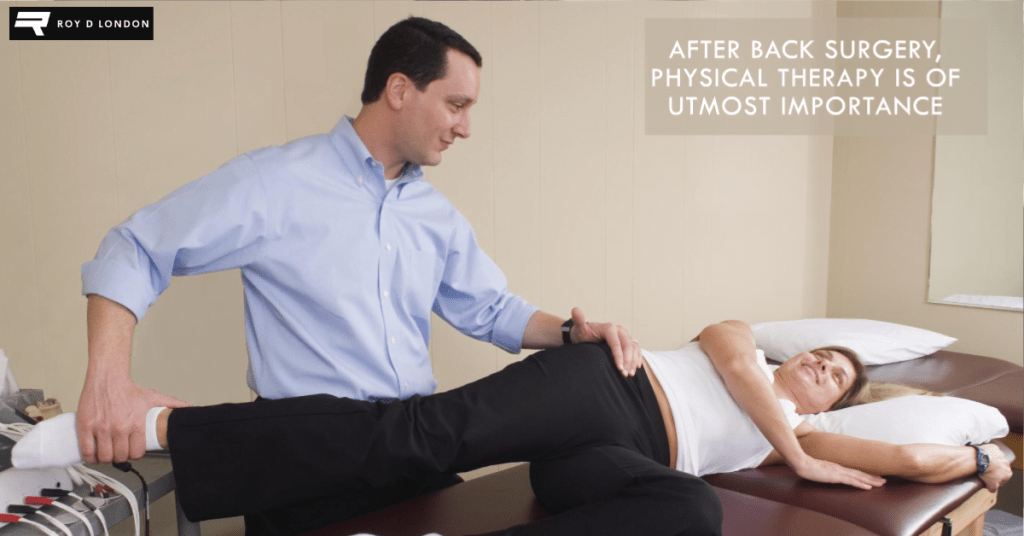
After back surgery, physical therapy is of utmost importance to promote healing and rehabilitation. It helps strengthen the ligaments, muscles, and tendons around the joints and discs of the spine, making them less prone to injury. Through targeted exercises and therapy techniques, physical therapists can help patients regain mobility, improve flexibility, and reduce pain.
However, physical therapy isn’t just beneficial post-surgery. It can also play a significant role in preventing back injuries and maintaining back health. Engaging in regular physical therapy exercises and activities helps strengthen the core muscles, which provide support to the spine, and improve overall posture. Stronger core muscles can alleviate stress on the back, reducing the risk of injuries during daily activities and strenuous tasks.
Working with a trained physical therapist is essential to develop a personalized exercise program that addresses specific needs and goals. The program may include a combination of core-strengthening exercises, stretches, and other activities like water aerobics, swimming, and yoga.
“Physical therapy helps optimize recovery, minimize the risk of future back problems, and enhance overall well-being.”
Benefits of Physical Therapy for Back Health:
- Strengthening the muscles supporting the spine
- Improving flexibility and range of motion
- Alleviating pain and reducing inflammation
- Enhancing posture and body mechanics
- Increasing stability and balance
- Preventing future back injuries
- Enhancing overall well-being
By incorporating physical therapy into your routine, you can optimize your recovery after back surgery, minimize the risk of future back problems, and improve your overall quality of life. Remember, prevention is always better than cure, and prioritizing back health through physical therapy is an effective way to prevent injuries and maintain a strong and resilient spine.
| Physical Therapy Benefits | Explanation |
|---|---|
| Strengthening the muscles supporting the spine | Physical therapy exercises target specific muscle groups, helping to build strength and stability around the spine |
| Improving flexibility and range of motion | Stretching exercises in physical therapy help improve flexibility, allowing for better movement and reduced stiffness in the back |
| Alleviating pain and reducing inflammation | Physical therapy techniques such as manual therapy and modalities can help relieve pain and reduce inflammation in the back |
| Enhancing posture and body mechanics | Physical therapists can educate patients on proper posture and body mechanics to prevent strain on the back and reduce the risk of injuries |
| Increasing stability and balance | Balance exercises in physical therapy improve core strength and stability, reducing the risk of falls and injuries |
| Preventing future back injuries | Regular physical therapy sessions can help identify and address potential risk factors that may lead to back injuries, helping to prevent them |
| Enhancing overall well-being | Physical therapy not only focuses on the physical aspect but also considers the mental and emotional well-being of patients, improving overall health and happiness |
Maintaining Spine Health and Preventing Surgery
Prevention is key when it comes to taking care of your spine and reducing the need for surgery. One of the most important aspects of spine health is strengthening the core through back-strengthening exercises. These exercises specifically target the muscles that support the spine, helping to improve stability and reduce the risk of injuries.
There are various activities that can contribute to overall spine strength. Water aerobics and swimming are excellent low-impact exercises that provide resistance and help build muscular endurance. Walking is another simple yet effective exercise that promotes overall health and strengthens the back muscles. Yoga, with its focus on flexibility, balance, and core strength, is also beneficial for maintaining spine health.
However, it is important to differentiate between activities that strengthen the back and those that may be potentially stressful or harmful. While exercise is crucial, improper form or high-impact activities can put unnecessary strain on the spine. It is essential to be mindful of your movements and avoid activities that may exacerbate existing back issues or lead to new injuries.
By incorporating back-strengthening exercises into your routine and being mindful of your movements, you can significantly reduce the risk of back injuries and potentially eliminate the need for surgery. Taking care of your spine through preventive measures is an important step towards maintaining a healthy and pain-free back.
The Benefits of Back-Strengthening Exercises:
- Improved spine stability and posture
- Reduced risk of back injuries
- Stronger core muscles to support the spine
- Enhanced flexibility and range of motion
- Relief from back pain and discomfort
Exercise Recommendations for Spine Health:
| Exercise | Description |
|---|---|
| Plank | A static exercise that engages the core muscles and promotes spine stability. |
| Bird Dog | A dynamic exercise that strengthens the back and core muscles while improving balance. |
| Bridge | An exercise that targets the glutes and lower back, promoting strength and stability in the spine. |
| Superman | A simple exercise that works the back extensor muscles and helps improve posture. |
| Cat-Camel Stretch | A gentle stretch that promotes flexibility in the spine and relieves tension. |
“Taking care of your spine through regular exercise and preventive measures is the best investment you can make for your long-term back health.”
Conclusion
When back surgery fails to provide relief, it is crucial to explore alternative treatments and approaches to manage persistent pain. Surgery should always be considered as a last resort, and conservative measures should be tried first. Understanding the risks and success rates associated with different treatment options is essential in making informed decisions.
Non-surgical options, such as physical therapy, can be highly effective in promoting recovery and improving overall quality of life. Physical therapy helps strengthen the muscles, ligaments, and tendons around the spine, reducing the risk of further injury and optimizing the healing process. Incorporating personalized exercise programs that include core-strengthening exercises, stretches, and low-impact activities can significantly contribute to back health.
In addition, minimally invasive procedures are gaining popularity as an alternative to traditional back surgeries. These procedures offer benefits such as smaller incisions, quicker recovery time, and reduced post-operative pain. Minimally invasive spine surgery, when appropriate for the patient’s condition, can provide a higher success rate and minimize potential complications.
In conclusion, when back surgery fails, there are various alternative treatments and approaches available to promote recovery and manage persistent pain. Non-surgical options, like physical therapy, and minimally invasive procedures can offer viable solutions, allowing individuals to regain their quality of life and avoid the potential risks and drawbacks of additional surgeries.
FAQ
What can I do if back surgery doesn’t provide relief?
If back surgery fails to alleviate your pain, there are alternative treatments available. Non-surgical solutions such as physical therapy, minimally invasive spine surgery, and conservative approaches can help manage your pain and improve your quality of life.
What are the risks associated with spine surgery?
Spine surgeries, like any surgical procedure, carry certain risks. Complications can include paralysis, spinal infection, deep vein thrombosis, dural tear, lung issues, hardware malfunction, continued pain, sexual dysfunction, transitional syndrome, and pseudoarthrosis. It’s important to be aware of these risks and discuss them with your healthcare provider.
What is failed back surgery syndrome?
Failed back surgery syndrome (FBSS) refers to continued pain in the back, neck, or limbs following a surgery intended to alleviate pain. It affects about 20 to 40% of patients who undergo back surgery. When subsequent back surgeries have a decreased success rate, exploring non-invasive methods and alternative treatments becomes crucial in managing post-operative pain.
Why does back surgery sometimes fail to provide relief?
One common reason for failed back surgery is the difficulty in accurately identifying the source of the pain before the procedure. If the surgery doesn’t target the precise source of the pain, it is unlikely to be successful. This highlights the importance of considering appropriate non-surgical measures before resorting to surgery to avoid the potential risks of an ineffective procedure.
What are the potential complications of back surgery?
Complications can include deep vein thrombosis, dural tear, lung issues, infection, hardware malfunction, continued pain, sexual dysfunction, transitional syndrome, and pseudoarthrosis. It’s important to be aware of these complications and discuss them with your healthcare provider before undergoing back surgery.
Can minimally invasive spine surgery be an alternative for failed back surgery?
Yes, minimally invasive spine surgery (MIS) can be an effective alternative for patients who have experienced failed back surgery. MIS procedures, such as transforaminal lumbar interbody fusion and posterior lumbar interbody fusion, have success rates ranging from 60 to 95%. MIS offers benefits such as quicker recovery time, smaller incisions, and reduced post-operative pain.
What are the success rates for herniated disc surgery?
The success rate for herniated lumbar disc surgery is estimated to be around 78.9%, while the success rate for cervical disc surgery is as high as 94%. Surgical options for herniated discs include microdiscectomy, which removes the herniated portion of the disc, and discectomy, which involves the removal of the entire disc. However, conservative treatments should always be considered before opting for surgery.
What’s the success rate for spinal fusion surgery?
The success rate for spinal fusion surgery varies depending on the specific condition being treated and can range from 60 to 95%. There are different types of spinal fusion surgeries, such as posterolateral fusion and interbody fusion, each tailored to address specific issues and promote proper healing. Spinal fusion surgery is often considered when other conservative treatments have failed to provide relief.
What questions should I ask when considering back surgery?
It is important to ask your healthcare provider if there are any other options to exhaust before opting for surgery, if surgery is the best chance for returning to the desired quality of life, the expected improvement after surgery, the recovery period, restrictions during recovery, the need for physical therapy, and the components of the physical therapy regimen. Asking these questions will help you make an informed decision and prepare for a successful recovery.
How can physical therapy help with back pain management?
Physical therapy plays a crucial role in recovering after back surgery and preventing back injuries. It helps strengthen the ligaments, muscles, and tendons around the joints and discs of the spine, making them less prone to injury. A trained physical therapist can develop a personalized exercise program that includes core-strengthening exercises, stretches, and activities like water aerobics, swimming, and yoga to optimize recovery and minimize the risk of future back problems.
How can I maintain spine health and prevent the need for surgery?
Preventing back injuries and maintaining spine health is crucial in reducing the need for surgery. Strengthening the core through exercises specifically designed for back health, such as water aerobics, swimming, walking, and yoga, can contribute to overall spine strength. Being mindful of your movements and avoiding activities that strain the back can also help prevent injuries and potentially eliminate the need for surgery.
Source Links
- https://www.novanthealth.org/healthy-headlines/when-is-back-surgery-necessary
- https://www.orthobethesda.com/blog/spine-surgery-when-it-works-and-when-it-doesnt/
- https://www.ncbi.nlm.nih.gov/pmc/articles/PMC4530508/
I’ve put together a list of articles that promise to enlighten and captivate. 75 Best Life-Changing Weight Loss Tips You Can Easily Start Today, Best Cellcore Parasite Cleanse Alternative For A Pure Body Detox, The 5 Best Kangen Water System Alkaline Water Ionizers, 11 Best Exercise Bikes With Arm Workout. How to Minimize Chronic Pain at Night: Tips for a Restful Sleep.
AFFILIATE / THIRD-PARTY LINKS
This post may contain affiliate links from programs and businesses whose products and services are of the best quality and standards, in my opinion, if you purchase through these links, I may receive a small commission at no cost to you.