Understanding How Chronic Pain Impacts Your Quality of Life and How to Cope

Chronic pain is a silent thief. It gradually infiltrates every aspect of our lives, casting a shadow over once joyful moments and replacing them with an unrelenting ache. As someone who has personally experienced the profound impact of chronic pain, I understand the toll it takes on our physical and emotional well-being. The constant discomfort, the frustration of missed opportunities, and the strain it places on our relationships can be overwhelming.
But there is hope. Through my own journey, I have discovered coping strategies that have helped me reclaim control over my life and find moments of joy amidst the pain. In this article, we will explore the ways chronic pain affects our quality of life and delve into effective coping strategies. Together, we will navigate the complexities of chronic pain and empower ourselves to live our lives to the fullest.
Key Takeaways on How Chronic Pain Impacts Your Quality of Life:
- Chronic pain can have a profound impact on our physical and emotional well-being.
- It is essential to address both the physical and mental aspects of chronic pain.
- Psychological techniques, therapy, and lifestyle changes are effective in coping with chronic pain.
- Developing resilience is crucial in managing chronic pain and improving overall quality of life.
- By seeking professional help and utilizing a multidimensional approach, we can find relief and regain control.
Understanding Chronic Pain and its Effects
Chronic pain is a debilitating condition that persists for an extended period, typically lasting longer than six months. It not only causes physical discomfort but also inflicts psychological stress, making it challenging for individuals to carry out their daily life activities.
People experiencing chronic pain often face constant discomfort, which can lead to feelings of anger, frustration, and helplessness. The persistent presence of pain can disrupt sleep, limit mobility, and decrease overall productivity. Additionally, chronic pain impacts not just the individual suffering from it, but also their loved ones who may witness the challenges and limitations it imposes.
To effectively manage and cope with chronic pain, it is crucial to recognize its profound effects on all aspects of daily life. By understanding the impact of chronic pain, individuals can seek appropriate interventions and support that address both the physical and psychological dimensions of their condition.

Medical Treatments for Chronic Pain
When it comes to managing chronic pain, there are several medical treatments available that can provide relief. These treatments focus on addressing the physical aspects of chronic pain and can be highly effective in improving overall pain management and quality of life. Let’s explore some of the common medical interventions:
Medication
Medication plays a crucial role in chronic pain management. It can help alleviate pain, reduce inflammation, and improve daily functioning. Depending on the type and severity of the pain, healthcare professionals may recommend over-the-counter or prescription medication. Nonsteroidal anti-inflammatory drugs (NSAIDs), muscle relaxants, and opioids are some of the commonly prescribed medications for chronic pain management. However, it’s important to note that opioids are typically reserved for severe cases due to their potential for addiction and tolerance.
Physical Therapy
Physical therapy is an integral part of chronic pain management. It focuses on improving function, mobility, and strength through targeted exercises and techniques. Physical therapists customize treatment plans based on the specific needs of individuals and their pain conditions. These treatment plans may include exercises, stretches, manual therapy, and pain-relieving modalities like heat or cold therapy. Physical therapy can help individuals regain control over their bodies, reduce pain levels, and enhance overall well-being.
Surgery
For some individuals with chronic pain, surgery may be considered when other interventions have not provided sufficient relief. Surgical procedures can address the underlying cause of chronic pain, such as damaged joints or herniated discs. It is important to consult with a healthcare professional specialized in surgical interventions to determine the most suitable approach. Surgery should always be approached as a last resort after exhausting non-invasive treatment options.
While these medical treatments are valuable tools in chronic pain management, it is essential to remember that addressing the physical dimensions of pain is only part of the puzzle. Mental and emotional wellness also play a significant role in effectively managing chronic pain. Let’s explore some of the psychological techniques and lifestyle changes that can complement these medical treatments and improve overall well-being in Section 4 and Section 5, respectively.
Psychological Techniques to Manage Chronic Pain
Psychologists possess unique expertise in helping individuals navigate the mental and emotional challenges associated with chronic pain. Through the application of psychological techniques and therapy, they can effectively build resilience and impart essential coping skills. These techniques are designed to address the mental and emotional aspects of chronic pain, fostering improved overall well-being and enhancing individuals’ ability to manage their pain.
Psychological techniques for managing chronic pain focus on several key areas:
- Changing thought patterns: Addressing negative thought patterns associated with pain can help individuals shift their perspective and adopt a more positive mindset. This process involves recognizing unhelpful thoughts and replacing them with more constructive and realistic ones.
- Managing stress: Chronic pain can trigger significant stress, exacerbating its impact on well-being. Psychologists employ various stress management techniques, such as relaxation exercises, deep breathing, and mindfulness, to help individuals reduce stress levels and promote relaxation.
- Developing positive coping strategies: Learning effective coping strategies is essential for individuals with chronic pain. Psychologists can teach techniques such as distraction, relaxation, and problem-solving to help individuals effectively manage pain episodes and minimize their impact on daily life.
“Psychological techniques can empower individuals with chronic pain to improve their mental and emotional well-being, enhancing their capacity to cope with pain and cultivate resilience.” – Dr. Sarah Johnson, Clinical Psychologist
By addressing the psychological impact of chronic pain, individuals can develop the tools needed to navigate their pain more effectively and enhance their overall quality of life. Psychological techniques not only help manage pain but also contribute to mental and emotional well-being.
Case Study: Resilience-Building Techniques
Let’s consider the case of Jane, who has been experiencing chronic pain in her lower back for several years. Through psychological therapy, Jane learned various resilience-building techniques that have transformed her ability to cope with her pain. Here are a few techniques that have helped her:
| Resilience-Building Techniques | Description |
|---|---|
| Positive self-talk | Replacing negative self-talk with positive affirmations to foster a resilient mindset, acknowledging her strengths and abilities. |
| Mindfulness meditation | Practicing mindfulness meditation to cultivate awareness and acceptance of her pain, reducing resistance and associated distress. |
| Problem-solving strategies | Developing strategies to analyze and solve problems related to daily tasks, finding ways to reduce pain triggers and manage activities more effectively. |

These techniques, among others, have empowered Jane to develop resilience in the face of her chronic pain, allowing her to regain control over her life and improve her overall well-being.
Lifestyle Changes to Improve Quality of Life with Chronic Pain
In addition to medical and psychological interventions, making certain lifestyle changes can significantly enhance the quality of life for individuals living with chronic pain. These changes encompass various aspects of daily living, including stress management, positive thinking, engaging activities, social support, and holistic approaches.
To manage stress effectively, individuals can adopt stress management techniques such as deep breathing and meditation. These practices help reduce the physical and psychological impact of pain, promoting relaxation and overall well-being.
Embracing positive thinking plays a crucial role in shifting the focus away from pain. By cultivating a positive mindset and engaging in activities that bring joy and fulfillment, individuals can improve their mental and emotional state. Engaging activities can include hobbies, interests, or creative outlets that provide a sense of purpose and distraction from pain.
Building social support networks is also essential for individuals with chronic pain. Connecting with others who share similar experiences through support groups or seeking out social support from friends and family can significantly alleviate feelings of isolation. Social support creates a sense of community and understanding, providing comfort and encouragement during challenging times.
Incorporating holistic approaches to everyday life can support overall well-being and pain management. This includes adopting healthy eating habits that promote anti-inflammatory effects in the body and regular exercise that enhances physical fitness and releases endorphins, the body’s natural painkillers.
Here is an example of how lifestyle changes can be implemented:
| Lifestyle Changes | Description |
|---|---|
| Stress Management | Practice deep breathing and meditation techniques to reduce stress levels and promote relaxation. |
| Positive Thinking | Cultivate a positive mindset and engage in activities that bring joy and fulfillment, shifting the focus away from pain. |
| Engaging Activities | Pursue hobbies, interests, or creative outlets that provide a sense of purpose and distraction from pain. |
| Social Support | Build social support networks through support groups or seek out support from friends and family. |
| Holistic Approaches | Incorporate healthy eating habits and regular exercise to support overall well-being and pain management. |
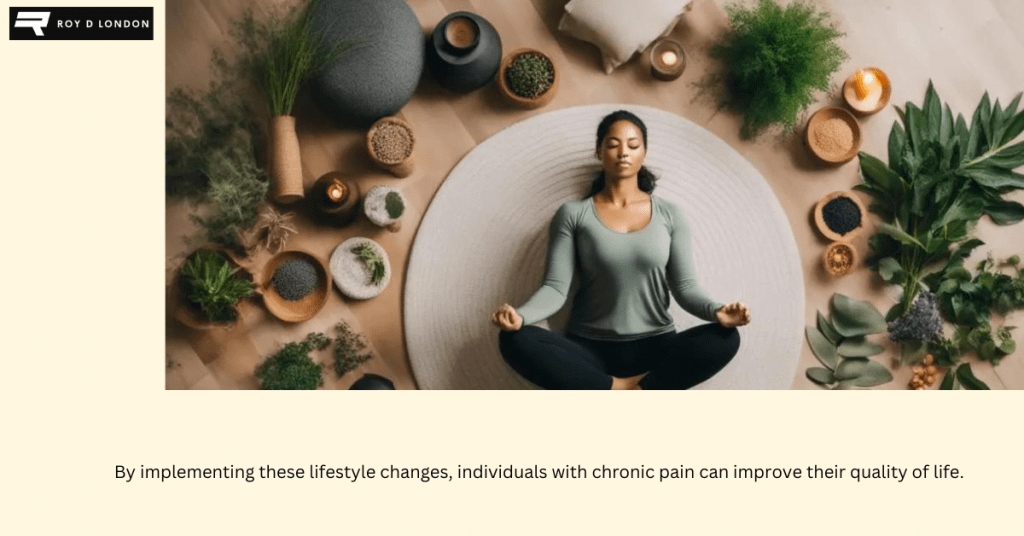
By implementing these lifestyle changes, individuals with chronic pain can improve their quality of life, enhance their ability to cope with pain, and promote overall well-being.
Seeking Professional Help for Chronic Pain
If chronic pain continues to interfere with your daily functioning and becomes overwhelming, it may be beneficial to seek help from a mental health professional, such as a psychologist. These professionals are trained to address the physical and psychological repercussions of chronic pain and can provide the support and guidance needed to better manage your pain and improve your overall well-being.
When you feel overwhelmed by chronic pain, a mental health professional can offer evidence-based interventions tailored to your specific needs. They will work with you to understand the impact of chronic pain on your life and develop effective strategies to cope with the challenges you face.
The Role of Mental Health Professionals
Mental health professionals, such as psychologists, play a vital role in helping individuals with chronic pain. They offer a variety of therapeutic approaches that can address both the physical and psychological aspects of pain. Through therapy sessions, mental health professionals can help you:
- Explore and understand the emotional impact of chronic pain
- Develop coping strategies to manage pain-related stress and anxiety
- Learn techniques to improve mental well-being and overall quality of life
- Access resources and support networks to augment your pain management journey
Support and Guidance for Effective Pain Management
Seeking professional help for chronic pain can provide the necessary support and guidance to navigate the complexities of pain management. Mental health professionals can work collaboratively with your healthcare team to enhance your overall treatment plan.
By addressing the physical and psychological aspects of chronic pain, mental health professionals can assist you in finding effective ways to manage pain, improve your well-being, and restore a sense of control in your life.
Remember, you don’t have to face chronic pain alone. Seeking the help of a mental health professional can be a crucial step towards regaining control and finding relief from the burden of chronic pain.

Medications for Chronic Pain Management
When it comes to managing chronic pain, healthcare providers may prescribe various medications tailored to each individual’s needs. These medications aim to alleviate pain, reduce inflammation, and improve overall comfort. It is essential to work closely with healthcare professionals to find the most suitable medication and monitor for any potential side effects.
Common Medications for Chronic Pain
Here are some commonly prescribed medications for chronic pain management:
| Medication | Usage |
|---|---|
| Anticonvulsants | Anticonvulsants are commonly prescribed for nerve pain associated with conditions such as neuropathy or fibromyalgia. These medications work by stabilizing abnormal electrical activity in the brain, reducing pain signals. |
| Antidepressants | Antidepressants are often used to manage chronic pain, even in individuals without depression. These medications can help regulate chemicals in the brain that affect pain perception and control inflammation. |
| Muscle Relaxers | Muscle relaxers can be beneficial for individuals experiencing muscle spasms or tension-related pain. These medications work by reducing muscle contractions and promoting relaxation. |
| Nonsteroidal Anti-Inflammatory Drugs (NSAIDs) | NSAIDs, such as ibuprofen or naproxen, are commonly used to relieve pain and reduce inflammation. They can be helpful for individuals with chronic inflammatory conditions like arthritis. |
| Opioids | Opioids are potent pain medications that are reserved for severe chronic pain that does not respond to other treatments. Due to their potential for addiction and tolerance, opioids are typically used as a last resort and closely monitored by healthcare professionals. |
Note: It is important to remember that each individual may respond differently to medications, and their effectiveness may vary. Always follow the guidance of your healthcare provider and inform them about any changes or adverse reactions you experience.
Therapy Options for Chronic Pain Management
Therapy plays a vital role in managing chronic pain and improving overall well-being. Various therapeutic approaches can help individuals develop coping strategies, address emotional challenges, and enhance physical functioning. Here are some therapy options commonly used in chronic pain management:
Cognitive-Behavioral Therapy (CBT)
Cognitive-Behavioral Therapy (CBT) focuses on identifying and changing negative thought patterns associated with pain. It helps individuals develop effective coping skills, manage stress, and improve their overall quality of life. CBT empowers individuals to take an active role in their pain management by promoting positive behavioral changes and enhancing resilience.
Counseling
Counseling provides a safe and supportive space for individuals to express their emotions and discuss the challenges associated with chronic pain. Through counseling, individuals can learn healthy coping mechanisms, explore new perspectives, and develop strategies to effectively manage their pain. It can also help improve interpersonal relationships and provide valuable emotional support.
Occupational Therapy
Occupational therapy focuses on adapting daily tasks and activities to reduce pain and prevent further injury. Occupational therapists work collaboratively with individuals to develop strategies for managing pain while maximizing functionality and independence. By addressing physical limitations and providing guidance on ergonomics and activity modification, occupational therapy helps individuals maintain a fulfilling and productive lifestyle.
Physical Therapy
Physical therapy involves exercises and techniques to improve strength, flexibility, and overall physical function. Physical therapists tailor treatment plans to the individual’s specific needs, addressing both the underlying causes of pain and its effects on mobility. Through targeted exercises, manual therapy, and education, physical therapy aims to reduce pain, improve range of motion, and enhance overall well-being.
These therapy options can work in conjunction with medical treatments, such as medication or surgical interventions, to provide comprehensive chronic pain management. By addressing the physical, emotional, and functional aspects of pain, therapy empowers individuals to regain control over their lives and achieve a better quality of life.
Alternative Treatments for Chronic Pain
In addition to traditional medical and psychological treatments, alternative therapies can provide relief for chronic pain. These alternative approaches focus on holistic and non-invasive techniques that aim to alleviate pain and improve overall well-being. While the efficacy of these treatments may vary from person to person, many individuals find them helpful in managing their chronic pain.
1. Acupuncture
Acupuncture is a technique derived from traditional Chinese medicine that involves the insertion of thin needles into specific points on the body. It is believed to stimulate the release of endorphins and promote the body’s natural healing processes. Acupuncture has shown potential in managing various types of chronic pain, including back pain, arthritis, and migraines.
2. Aromatherapy
Aromatherapy utilizes the therapeutic properties of essential oils to promote relaxation and pain relief. By inhaling or applying these oils topically, individuals may experience reduced stress levels and improved overall well-being. Some essential oils commonly used for pain management include lavender, peppermint, and eucalyptus.
3. Biofeedback
Biofeedback is a technique that helps individuals gain control over their bodily functions, such as heart rate, blood pressure, and muscle tension. By using electronic devices and sensors, individuals can monitor their physiological responses and learn strategies to regulate them. Biofeedback has been found to be effective in managing various types of chronic pain, including tension headaches and fibromyalgia.
4. Hypnotherapy
Hypnotherapy involves guided relaxation techniques that induce a hypnotic state, where individuals are more receptive to suggestions. It can help individuals manage pain, reduce anxiety, and promote overall well-being. Hypnotherapy can be particularly beneficial for individuals experiencing chronic pain related to conditions such as irritable bowel syndrome (IBS) and fibromyalgia.
5. Mindfulness Training
Mindfulness training involves cultivating moment-to-moment awareness of one’s thoughts, feelings, and bodily sensations without judgment. It can help individuals develop a better understanding of and relationship with their pain. Mindfulness-based stress reduction (MBSR) programs have shown promising results in managing chronic pain, reducing pain intensity, and improving overall quality of life.
6. Music, Art, and Pet Therapy
Creative therapies such as music therapy, art therapy, and pet therapy can provide emotional support, distraction, and relaxation, which can help individuals cope with chronic pain. Music therapy involves listening to or creating music as a means of emotional expression and pain management. Art therapy allows individuals to express themselves through various artistic mediums, promoting self-discovery and emotional healing. Pet therapy involves interacting with trained animals to relieve stress, increase relaxation, and improve mood.
While alternative treatments can complement traditional approaches, it is crucial to consult with healthcare professionals and discuss the suitability and safety of these therapies for individual circumstances. Integrating alternative treatments into a comprehensive pain management plan can empower individuals to take an active role in their own well-being.
The Importance of Lifestyle Factors in Chronic Pain Management
Lifestyle factors are fundamental in effectively managing chronic pain. By incorporating stress management techniques, regular exercise, a healthy diet, and adequate sleep into daily routines, individuals can optimize their ability to cope with and alleviate pain.
Stress Management
Stress has a significant impact on pain perception and can exacerbate chronic pain. Implementing stress management techniques, such as meditation and deep breathing exercises, can alleviate tension and reduce the overall perception of pain. These practices promote relaxation and help individuals develop resilience in the face of chronic pain.
Exercise
Regular exercise, even in low intensity, plays a crucial role in pain management. Engaging in physical activities that are suitable for individual abilities and conditions can help reduce pain and improve overall well-being. Exercise releases endorphins, the body’s natural painkillers, and promotes the strengthening of muscles and joints, enhancing overall physical function.
Diet
Adopting a healthy diet, particularly one that focuses on reducing inflammation, can support pain management. Certain foods have anti-inflammatory properties and can help alleviate pain. Incorporating foods rich in omega-3 fatty acids, such as fatty fish, walnuts, and flaxseeds, can reduce inflammation and provide relief. Avoiding processed and sugary foods is also beneficial, as they can contribute to inflammation and worsen pain levels.
Sleep
Adequate sleep is essential for physical and mental health, and it plays a vital role in managing chronic pain. Poor sleep can worsen pain levels and impede the body’s ability to heal and recover. Establishing a consistent sleep schedule, creating a relaxing bedtime routine, and optimizing the sleep environment can significantly improve sleep quality and contribute to effective pain management.
“By prioritizing stress management, exercise, a healthy diet, and sufficient sleep, individuals can optimize their ability to cope with chronic pain.”
Implementing these lifestyle factors in a comprehensive pain management plan can have a significant impact on overall well-being. The combination of stress management techniques, regular exercise, a healthy diet, and sufficient sleep creates a holistic approach to coping with chronic pain, empowering individuals to take an active role in their own healing process.
Conclusion
Chronic pain can have a profound impact on a person’s quality of life, affecting their physical and emotional well-being. However, there is hope for individuals living with chronic pain. By implementing a comprehensive approach that combines medical treatments, psychological techniques, lifestyle changes, and therapy options, individuals can enhance their ability to cope with chronic pain and improve their overall well-being.
Medical treatments such as medication, physical therapy, and even surgery can address the physical aspects of chronic pain. However, it is equally important to focus on the mental and emotional aspects. Psychological techniques, including therapy, can help individuals develop coping strategies and build resilience. Lifestyle changes, such as stress management, engaging in positive activities, and seeking social support, can also contribute to a better quality of life.
It is crucial to work closely with healthcare professionals to develop a personalized plan that takes into account the unique needs and challenges associated with chronic pain. Whether it is finding the right medication, exploring different therapeutic approaches, or making lifestyle adjustments, being proactive in managing chronic pain can make a significant difference. Remember, you are not alone in this journey, and there is support available to help you regain control and improve your overall well-being.
FAQ
How does chronic pain impact your quality of life?
Chronic pain can have a significant impact on your quality of life. It can cause physical discomfort, psychological stress, and disrupt daily activities, leading to frustration and a decrease in overall well-being.
What are some coping strategies for dealing with chronic pain?
Coping with chronic pain involves a multidimensional approach. Some strategies include medical treatments, psychological techniques, lifestyle changes, and seeking professional help. These approaches can help individuals manage pain and improve their overall well-being.
What medical treatments are available for chronic pain?
Medical treatments for chronic pain include medication, physical therapy, and in some cases, surgery. Medications can help manage pain levels, physical therapy aims to improve function and mobility, and surgery is considered when other interventions have not provided relief.
How can psychological techniques help in managing chronic pain?
Psychological techniques and therapy can be effective in helping individuals manage the mental and emotional aspects of chronic pain. These techniques focus on changing thought patterns, managing stress, and developing positive coping strategies, which can improve overall well-being and enhance the ability to manage pain.
What lifestyle changes can improve quality of life with chronic pain?
Lifestyle changes such as stress management techniques, engaging in positive activities, building social support networks, and incorporating healthy habits like exercise and a nutritious diet can significantly improve quality of life for individuals with chronic pain.
When should I consider seeking professional help for chronic pain?
If your chronic pain continues to interfere with daily functioning and becomes overwhelming, it may be beneficial to seek help from a mental health professional, such as a psychologist. These professionals can provide support, guidance, and evidence-based interventions to help you better manage your pain and improve your overall well-being.
What medications are commonly prescribed for chronic pain management?
Various medications can be prescribed by healthcare providers to manage chronic pain. These include anticonvulsants, antidepressants, muscle relaxers, nonsteroidal anti-inflammatory drugs (NSAIDs), and opioids. However, opioids are considered a last resort due to their potential for addiction and tolerance.
What therapy options are available for chronic pain management?
Therapy plays a crucial role in chronic pain management. Options include cognitive-behavioral therapy (CBT), counseling, occupational therapy, and physical therapy. These therapies can help individuals develop coping skills, address negative thought patterns, adapt daily tasks, and improve overall well-being.
Are there alternative treatments for chronic pain?
Yes, alternative treatments like acupuncture, aromatherapy, biofeedback, hypnotherapy, mindfulness training, and creative therapies such as music, art, or pet therapy can provide relief for chronic pain. While the effectiveness may vary, many individuals find these treatments helpful in managing pain and promoting well-being.
How important are lifestyle factors in managing chronic pain?
Lifestyle factors play a crucial role in managing chronic pain. Stress management techniques, regular exercise, following a healthy diet, and getting adequate sleep are essential. By prioritizing these factors, individuals can optimize their ability to cope with chronic pain and improve their overall well-being.
What are the best ways to improve quality of life with chronic pain?
To improve quality of life with chronic pain, it is important to implement a multidimensional approach. This includes utilizing medical treatments, employing psychological techniques, making lifestyle changes, and seeking professional help. By addressing all aspects of chronic pain, individuals can enhance their ability to manage pain and improve their overall well-being.
Source Links
- https://my.clevelandclinic.org/health/diseases/4798-chronic-pain
- https://www.webmd.com/pain-management/11-tips-for-living-with-chronic-pain
- https://www.apa.org/topics/pain/chronic
Peruse these carefully selected articles, each offering its own unique insights.
How to Minimize Chronic Pain at Night: Tips for a Restful Sleep.
5 Ways to Support a Loved One Living with Chronic Pain: Tips for Caregivers and Friends
Effective Strategies to Stop Painful Joints: Living with Pain-Free Knee and Shoulder
Elevate Your Online Courses with Skool: The Best New Course Creation and Hosting Platform.
AFFILIATE / THIRD-PARTY LINKS
This post may contain affiliate links from programs and businesses whose products and services are of the best quality and standards, in my opinion, if you purchase through these links, I may receive a small commission at no cost to you.