Compression Fracture Recovery: Essential Products to Buy


Compression fracture recovery can be a challenging journey, one that often requires patience, resilience, and the right tools to aid in the healing process. As someone who has personally experienced the pain and frustration of a compression fracture, I understand the impact it can have on your daily life. The feeling of vulnerability, the limitations in movement, and the constant ache are all too familiar.
But here’s the good news: with the right products and treatment, you can make significant progress in your recovery and regain control over your life. In this article, we will explore essential products that can make a real difference in your compression fracture recovery journey. From custom-fit back braces to medication options and exercise modifications, we will discuss the tools that can help alleviate pain, promote healing, and restore your strength.
Whether you’re just starting your recovery or looking for additional support, we’re here to guide you every step of the way. Let’s take a closer look at the essential products you need to buy for a successful compression fracture recovery.
Key Takeaways for Compression Fracture Recovery:
- Recovery from a compression fracture requires a comprehensive approach.
- Essential products like custom-fit back braces can provide support and stability to the spine.
- Medication options are available to manage pain and promote healing.
- Exercise modifications can help strengthen supporting muscles and promote faster healing.
- Regular follow-up visits and adherence to preventative measures are crucial for long-term recovery.
Nonsurgical Treatment Options
At NYU Langone Health, we understand that most people with spine compression fractures can be effectively treated without surgery. Our comprehensive range of nonsurgical treatment options is designed to alleviate pain, support the spine, and promote healing. Our expert team of healthcare professionals will tailor a treatment plan based on your unique needs, ensuring the best possible outcomes for your recovery.
Medication for Pain Relief
Medication plays a crucial role in managing the discomfort associated with compression fractures. Our specialists may recommend pain relievers to help alleviate pain and improve your overall well-being. Depending on your condition, over-the-counter medications like ibuprofen or acetaminophen may provide initial relief. However, if these are insufficient, stronger prescription pain medications can be prescribed to address your specific needs. Additionally, calcitonin salmon, a nasal spray medication, may be recommended to relieve pain and support bone healing. Throughout your treatment, our team will closely monitor your progress and make any necessary adjustments to ensure optimal pain management.
Custom-Fit Back Braces
To support and stabilize your spine during the healing process, our specialists may recommend custom-fit back braces. These braces are designed to provide targeted support to the affected area, reducing pain and helping to prevent further injury. Our skilled team will assess your individual needs and take precise measurements to create a brace that fits your body shape perfectly. Wearing a back brace can provide the necessary support and stability, allowing you to engage in daily activities with greater comfort and confidence, while promoting healing. Trust our expertise to deliver a custom-fit solution that meets your unique requirements.
Exercise Modification
Exercise modification is an essential aspect of your recovery journey. While high impact activities should be avoided, low impact exercises can contribute to healing and strengthen the supporting muscles. Our experts may recommend activities such as walking or tai chi, as they promote blood flow to the fracture site and improve overall flexibility. These low impact exercises allow you to engage in physical activity without placing excessive strain on your healing spine. Additionally, physical therapy may be recommended to further enhance your recovery progress. Our dedicated team of therapists will guide you through targeted exercises to strengthen the muscles surrounding the affected area, supporting your long-term recovery goals.
We believe that a combination of medication, custom-fit back braces, and exercise modification is key to achieving optimal outcomes in your compression fracture recovery. At NYU Langone Health, we are committed to providing you with exceptional care, personalized treatment plans, and ongoing support throughout your journey towards healing and improved quality of life.
Medication for Pain Relief
Pain medication is an essential part of managing the discomfort associated with compression fractures. Whether it’s over-the-counter options or prescription strength medication, finding the right pain relief can help alleviate symptoms and promote healing.
Over-the-counter options: Initially, over-the-counter pain relievers such as ibuprofen or acetaminophen can be used to tackle mild to moderate pain. These medications can help reduce inflammation and provide temporary relief. However, it is important to follow the recommended dosage and consult with a healthcare professional if symptoms persist or worsen.
“Over-the-counter pain relievers like ibuprofen or acetaminophen can help alleviate mild to moderate pain associated with compression fractures.”
Prescription medication: In cases where over-the-counter options are inadequate, healthcare professionals may prescribe stronger pain relievers. These medications, such as opioids, can significantly reduce pain and improve quality of life. However, it is essential to use prescription medication responsibly and as directed by a healthcare professional due to the potential for side effects and dependency.
“Prescription pain medication can provide stronger relief for individuals with severe pain associated with compression fractures.”
Calcitonin salmon: Another medication that may be recommended is calcitonin salmon, administered as a nasal spray. Calcitonin salmon can help relieve pain and promote bone healing. It works by inhibiting bone resorption and reducing inflammation in the affected area. This medication is typically given for a limited duration and may be used in combination with other treatments.
“Calcitonin salmon nasal spray can provide pain relief and support bone healing.”
Benefits of Medication for Pain Relief:
- Reduces pain and discomfort
- Improves overall quality of life
- Promotes healing and bone recovery
- Can be customized based on individual needs
Considerations and Precautions:
- Follow the recommended dosage and adhere to the prescribed treatment plan.
- Consult with a healthcare professional before taking any medication, especially if you have existing medical conditions or are taking other medications.
- Be aware of potential side effects and risks associated with pain medication, and report any adverse reactions to a healthcare professional.
- Attend regular follow-up appointments to assess progress and discuss any concerns or changes in symptoms.
When used appropriately under the guidance of a healthcare professional, pain medication can be an effective tool in managing the discomfort associated with compression fractures. However, it is important to understand that medication alone is not a long-term solution. It should be combined with other treatments, such as back braces and exercise modifications, to ensure the best possible recovery outcome.
Next, we will explore the role of custom-fit back braces in supporting the healing process and providing stability to the spine.

Custom-Fit Back Braces
A custom-fit back brace is an essential tool for providing support and stability to the spine during the healing process of a compression fracture. These braces are specifically designed to fit the individual’s unique body shape, ensuring a comfortable and personalized fit. By offering targeted support to the affected area, a back brace can help alleviate pain and reduce pressure on the fractured vertebrae, promoting healing and enhancing overall recovery.
At NYU Langone, our specialists are skilled in creating custom-fit back braces that provide optimal spine support. Using advanced technology, we tailor the brace to the patient’s precise measurements, ensuring a secure fit and maximum effectiveness. Whether you’re recovering from a recent compression fracture or managing a chronic condition, our custom-fit back braces are designed to meet your specific needs.
| Benefits of Custom-Fit Back Braces |
|---|
| Provides targeted support and stability to the spine |
| Alleviates pain and reduces pressure on the fractured vertebrae |
| Promotes healing and accelerates recovery |
| Customized fit for optimal comfort |
| Enhances mobility while providing necessary support |
| Aids in maintaining proper posture and alignment |
When to Wear a Back Brace
Back braces are typically recommended for individuals with compression fractures who require additional spinal support during the recovery process. Your healthcare provider will assess your specific condition and determine if a back brace is necessary. In general, a brace may be prescribed in the following situations:
- Recent compression fracture
- Severe pain or discomfort in the back
- Unstable spine or vertebral misalignment
- Weakened spinal muscles due to injury or surgery
- Chronic conditions requiring ongoing spinal support
Incorporating a custom-fit back brace into your treatment plan can provide the additional support and protection your spine needs, facilitating a faster and smoother recovery.
Exercise Modification
Exercise modification is an essential component of the recovery process for individuals with a compression fracture. While high impact activities should be avoided to prevent further damage, engaging in low impact exercises can be beneficial for promoting healing and overall well-being. Low impact activities such as walking or practicing tai chi are gentle on the body while still providing the necessary movement and blood flow to the fracture site.
Physical therapy is an integral part of the rehabilitation journey for many individuals with compression fractures. A physical therapist will create a tailored exercise program to strengthen the muscles that support the vertebrae, improve flexibility, and enhance overall recovery. They will guide patients through various exercises and techniques designed to gradually regain strength and function.
Physical therapy sessions may include:
- Range of motion exercises to improve flexibility
- Strengthening exercises for the back, core, and lower body
- Balance and coordination exercises to improve stability and prevent falls
The goal of physical therapy is to optimize recovery, reduce pain, and restore full functionality. Patients may also receive education on posture correction, body mechanics, and ways to prevent future injuries. It is crucial to follow the guidance and recommendations of the physical therapist to ensure safe and effective rehabilitation.

Surgical Treatment Options
In severe cases where nonsurgical treatment options are ineffective, surgical intervention may be considered. Two commonly used surgical procedures for treating compression fractures are kyphoplasty and vertebroplasty.
Kyphoplasty
Kyphoplasty involves the insertion of a balloon tamp into the fractured bone. The balloon is inflated to restore the height and shape of the vertebra. Once the desired position is achieved, a special cement is injected into the space created by the balloon. The cement hardens quickly, reinforcing the bone and relieving pain. This procedure aims to restore stability to the spine and improve overall function.
Vertebroplasty
Vertebroplasty is another surgical option for compression fractures. It involves the direct injection of a special cement into the compressed vertebra. The cement hardens and stabilizes the fracture, providing pain relief and support to the spine.
Both kyphoplasty and vertebroplasty are minimally invasive procedures that can be performed under local or general anesthesia. They offer significant benefits in terms of pain relief, restoration of vertebral height, and improved quality of life.
Recovery and Healing Timeframe
The recovery time for a compression fracture can vary depending on the individual and the severity of the injury. In most cases, fractures heal within two to three months, but for individuals with osteoporosis, a full recovery may take up to a year. It is important to note that the healing process can differ based on factors such as age, overall health, and compliance with the recommended treatment plan.
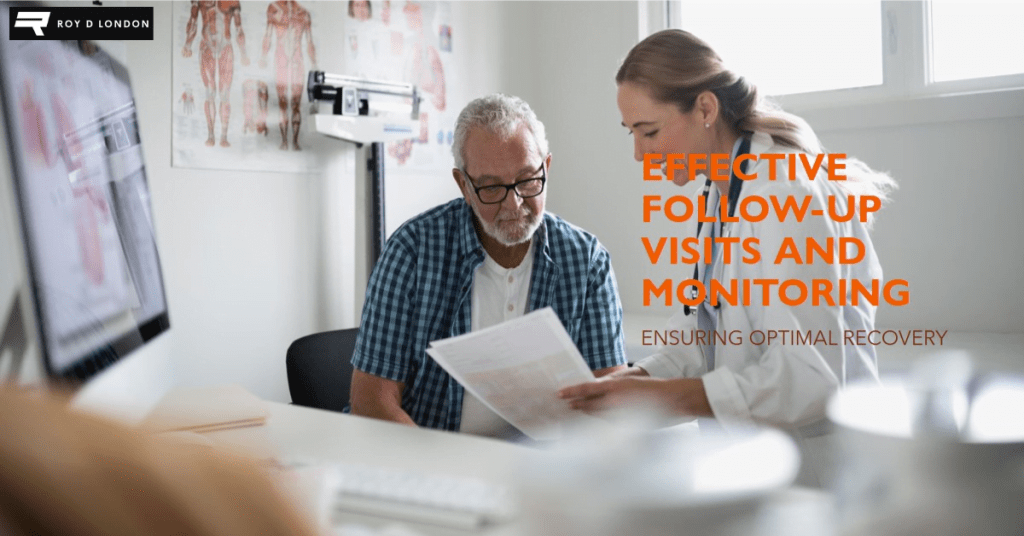
Throughout the recovery period, regular follow-up visits with a healthcare provider are essential. These follow-up visits allow the doctor to monitor the healing process, assess the stability of the spine, and provide any necessary adjustments to the treatment plan. By closely monitoring the recovery progress, healthcare professionals can ensure that the healing is occurring as expected and address any potential complications promptly.
During the healing timeframe, it is crucial to follow the recommended treatment plan provided by the healthcare provider. This includes adhering to medication schedules, using custom-fit back braces as directed, and modifying activities to avoid high impact movements that could disrupt the healing process. The recovery period is a time for patience and commitment to allow the body to heal effectively.
Follow-Up Visits and Monitoring
As mentioned previously, follow-up visits are necessary to ensure the recovery is progressing as expected. These visits typically involve a physical examination, imaging tests, and discussions about any ongoing symptoms or concerns. During the visits, the healthcare provider may make adjustments to the treatment plan based on the individual’s progress and provide additional guidance to support the healing process.
It is important to communicate openly and honestly with the healthcare provider during follow-up visits. Any new symptoms, changes in pain levels, or concerns should be addressed during these appointments. By actively participating in the recovery process and providing feedback, individuals can receive the necessary guidance and support to promote optimal healing.
Factors Affecting Recovery Time
Several factors can influence the recovery time for a compression fracture:
- The severity of the fracture
- The individual’s overall health and fitness level
- Age
- The presence of underlying conditions, such as osteoporosis
- Adherence to the recommended treatment plan
It is important to note that each person’s recovery journey is unique. While some may experience a shorter healing timeframe, others may require more time to fully recover. Following the healthcare provider’s guidance, attending follow-up visits, and remaining patient and committed to the recovery process can help ensure the best possible outcome.
Prevention and Maintenance
To prevent future compression fractures, it is essential to address the underlying causes, such as osteoporosis. Doctors may prescribe bisphosphonates, medications that help strengthen bones and reduce the risk of fractures. These drugs stabilize bone loss or restore lost bone density. Additionally, maintaining a healthy lifestyle, including regular exercise, a balanced diet, and avoiding fall risks, can help prevent future fractures.
Medication: Bisphosphonates
Bisphosphonates are a class of medications commonly prescribed to treat osteoporosis and reduce the risk of fractures. These drugs work by inhibiting bone breakdown and increasing bone density. They are often taken orally or given through injection. Some commonly prescribed bisphosphonates include:
| Brand Name | Generic Name | Administration |
|---|---|---|
| Fosamax | Alendronate | Oral |
| Actonel | Risedronate | Oral |
| Boniva | Ibandronate | Oral or Injectable |
It’s important to take bisphosphonates as prescribed and follow the advice of your healthcare provider. They can help improve bone density and reduce the risk of future fractures.
Lifestyle Modifications
In addition to medication, certain lifestyle modifications can contribute to the prevention and maintenance of bone density. Consider incorporating the following habits into your daily routine:
- Engage in weight-bearing exercises, such as walking, dancing, or strength training, to promote bone health and improve bone density.
- Ensure a well-balanced diet rich in calcium and vitamin D, which are vital for bone strength. Dairy products, leafy greens, and fortified foods are excellent sources of these nutrients.
- Avoid smoking and limit alcohol consumption, as they can negatively impact bone health.
- Take precautions to prevent falls, such as identifying and addressing potential hazards at home, using assistive devices if necessary, and practicing good balance and posture.
By taking these preventive measures and maintaining a healthy lifestyle, you can minimize the risk of future compression fractures and preserve bone density.
Importance of Immediate Medical Attention
When it comes to compression fractures, immediate medical attention is crucial. If you or someone you know experiences severe pain or the loss of bladder control, it is essential to seek medical help right away. These symptoms may indicate more severe damage or complications that require immediate intervention.
Ignoring the signs and delaying medical attention can lead to further complications and hinder the recovery process. Remember, the sooner you receive medical care, the better the chances of successful treatment and a faster return to normal activities.
In addition to severe pain and loss of bladder control, there are other factors that warrant immediate medical attention. These include persistent pain that does not subside, especially with rest and pain medication. Other risk factors such as advanced age, unintentional weight loss, or a history of cancer also require prompt evaluation by a medical professional.
Quick Recognition of Severe Pain and Loss of Bladder Control
It’s important to be able to identify the signs that indicate the need for immediate medical attention. Severe pain that cannot be managed with over-the-counter pain relievers or prescribed medications should be taken seriously and evaluated by a healthcare provider. Loss of bladder control, such as involuntary urination or difficulty controlling bowel movements, is also a concerning symptom that requires immediate attention.
“Immediate medical attention is necessary for individuals with compression fractures, especially if they experience severe pain or symptoms like losing control of their bowels and bladder.”
By recognizing these signs and seeking immediate medical assistance, you can ensure that appropriate treatment is provided promptly. Remember, early intervention plays a crucial role in attaining the best possible outcome for compression fracture recovery.
| Signs Indicating Immediate Medical Attention | Reasons for Seeking Medical Help |
|---|---|
| Severe pain that cannot be managed with over-the-counter medication | Possible indication of more severe damage or complications |
| Loss of bladder control (urinary incontinence) | Sign of potential neurological involvement or injury |
| Persistent pain that does not subside with rest or pain medication | May require additional investigation or specialized treatment |
| Other risk factors such as advanced age, unintentional weight loss, or a history of cancer | Higher likelihood of complications or underlying conditions |

With immediate medical attention, a proper diagnosis can be made, and appropriate treatment options can be explored. Remember, the goal is to alleviate pain, promote healing, and restore normal function as soon as possible under the supervision of healthcare professionals.
Surgical Outcomes and Long-Term Prognosis
Surgical interventions, such as kyphoplasty and vertebroplasty, have been proven to yield positive outcomes in reducing pain and restoring bone height for individuals with severe compression fractures. These procedures can significantly improve the quality of life for patients, providing pain relief and stability to the spine.
However, it is important to note that the long-term prognosis and overall survival rates following surgical intervention vary depending on the individual and underlying health conditions. While surgical procedures can offer immediate relief and improved functionality, it is crucial for patients to attend regular follow-up appointments and adhere to preventative measures for long-term management and the prevention of future fractures.
Monitoring the surgical outcomes, individual recovery progress, and adapting treatment plans accordingly are essential in ensuring the best possible long-term prognosis for patients who have undergone kyphoplasty or vertebroplasty.
| Surgical Procedure | Benefits | Risks |
|---|---|---|
| Kyphoplasty |
|
|
| Vertebroplasty |
|
|
Conclusion
In conclusion, the recovery process for compression fractures necessitates a comprehensive approach. Nonsurgical treatments, including medication, custom-fit back braces, and exercise modifications, play a vital role in promoting healing and alleviating pain. However, in severe cases, surgical interventions such as kyphoplasty and vertebroplasty offer significant pain relief and stability to the spine.
To ensure successful recovery, it is crucial to follow a personalized treatment plan and attend regular follow-up visits with healthcare professionals. Additionally, taking preventative measures, such as maintaining a healthy lifestyle and addressing underlying causes like osteoporosis, can help minimize the risk of future fractures. By following these recommendations and utilizing essential products for compression fracture recovery, individuals can improve their long-term prognosis and overall quality of life.
Remember, when it comes to compression fracture recovery, it’s important to take a proactive approach and seek appropriate medical attention. With the right treatment and care, individuals can achieve optimal healing, pain relief, and regain stability in their spine.
FAQ
What are some nonsurgical treatment options for compression fractures?
Nonsurgical treatment options include medication for pain relief, custom-fit back braces, and exercise modifications.
What types of medication are prescribed for pain relief?
Pain medication options include over-the-counter options like ibuprofen or acetaminophen, as well as stronger prescription medications. Calcitonin salmon may also be recommended in some cases.
How do custom-fit back braces help with compression fracture recovery?
Custom-fit back braces provide support and stability to the spine, alleviating pain and reducing pressure on the fractured vertebrae.
What role does exercise modification play in the recovery process?
Exercise modifications, such as engaging in low-impact activities like walking or tai chi, promote healing and strengthen the supporting muscles. Physical therapy may also be recommended.
What are the surgical treatment options for compression fractures?
Surgical treatment options include kyphoplasty and vertebroplasty, which aim to provide pain relief and restore stability to the spine.
How long does it take to recover from a compression fracture?
Recovery time can vary, but most fractures heal within two to three months. Individuals with osteoporosis may take longer, up to a year. Regular follow-up visits are important to monitor progress.
What can be done to prevent future compression fractures?
Addressing underlying causes, such as osteoporosis, is crucial. Doctors may prescribe bisphosphonates and recommend a healthy lifestyle, including regular exercise and a balanced diet, to prevent future fractures.
When should immediate medical attention be sought for compression fractures?
Immediate medical attention is necessary if severe pain or symptoms like loss of bladder control occur. Persistent pain or other risk factors should also prompt medical advice.
What are the surgical outcomes and long-term prognosis for compression fractures?
Surgical interventions like kyphoplasty and vertebroplasty can provide significant pain relief and stability to the spine. Long-term prognosis varies based on individual circumstances and underlying health conditions.
Is recovery from a compression fracture possible without surgery?
Yes, most people with compression fractures can be treated without surgery. Nonsurgical options are often effective in promoting healing and relieving pain.
What is the conclusion for compression fracture recovery?
Compression fracture recovery requires a comprehensive approach that includes medication, custom-fit back braces, exercise modifications, and, in some cases, surgical interventions. Following a personalized treatment plan and taking preventative measures are important for long-term recovery.
Embark on a reading journey with these interesting articles I’ve found. Best Cellcore Parasite Cleanse Alternative For A Pure Body Detox, 7 Best Joint Pain Relief Including Joint Restore Gummies & Joint Genesis, The 5 Best Kangen Water System Alkaline Water Ionizers.
Elevate Your Online Courses with Skool: The Best New Course Creation and Hosting Platform.
Source Links
- https://nyulangone.org/conditions/spine-compression-fractures/treatments/nonsurgical-treatment-for-spine-compression-fractures
- https://www.webmd.com/osteoporosis/surgery-alternatives
- https://www.medicalnewstoday.com/articles/compression-fracture-treatment
These articles are handpicked to pique your curiosity and expand your understanding. Preventing Fragility Fractures: Must-Have Products and Services. Compression Fracture Recovery: Essential Products to Buy.
75 Best Life-Changing Weight Loss Tips You Can Easily Start Today, Best Cellcore Parasite Cleanse Alternative For A Pure Body Detox, The 5 Best Kangen Water System Alkaline Water Ionizers, 11 Best Exercise Bikes With Arm Workout.How to Minimize Chronic Pain at Night: Tips for a Restful Sleep.
AFFILIATE / THIRD-PARTY LINKS
This post may contain affiliate links from programs and businesses whose products and services are of the best quality and standards, in my opinion, if you purchase through these links, I may receive a small commission at no cost to you.